Iran Accuses US of Violating Agreement, Stalling Diplomatic Talks
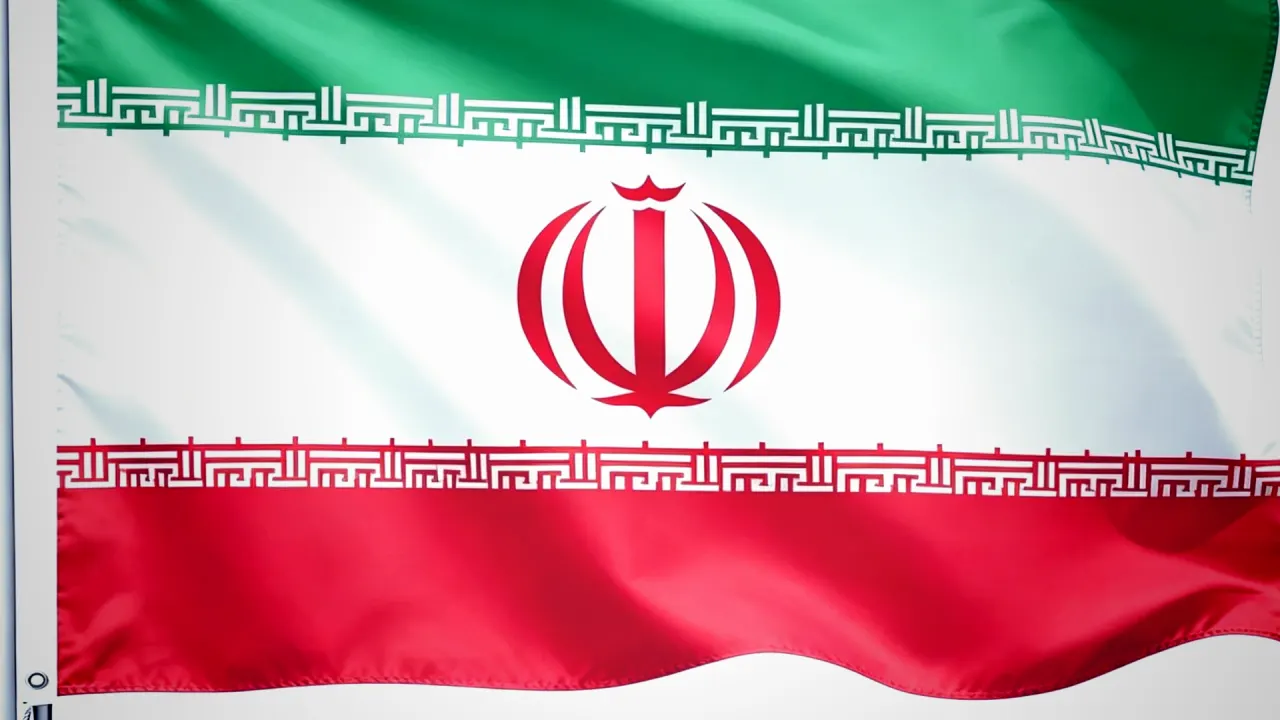
The Iranian Foreign Ministry has announced that diplomatic talks with the United States have not commenced, attributing this impasse to the alleged violation of a memorandum of understanding by Washington. This statement underscores the ongoing diplomatic standoff between the two countries, rooted in a memorandum signed on June 17, 2026.
The lack of progress in U.S.-Iran relations indicates heightened diplomatic tensions, with Iran accusing the U.S. of failing to adhere to the agreed terms. This situation could have implications for ongoing mediation efforts through intermediaries.
Key Takeaways
- The Iranian Foreign Ministry's statement suggests a significant setback in the potential for U.S.-Iran diplomatic meetings.
- Market pricing indicates a decreased likelihood of a diplomatic meeting occurring in the UAE by September 30, 2026.
- The ongoing stalemate may complicate progress on U.S.-Iran talks, affecting related geopolitical outcomes.
What to Watch
- Observers should monitor any official announcements from the U.S. or Iran that might clarify their diplomatic positions.
- Changes in the mediation process or statements from key figures like U.S. President Donald Trump or Iranian Foreign Minister Seyed Abbas Araghchi could provide insights into future meetings.
- Further developments regarding the memorandum and actions by either nation could significantly influence the likelihood of future diplomatic engagements.
Updated 09:31 UTC
Latest Developments
Traffic in the strategic Strait of Hormuz has come to a standstill as the 60-day ceasefire between the United States and Iran expires today. This ceasefire was part of ongoing negotiations aimed at securing a long-term agreement for unhindered passage through the strait, a critical chokepoint for global oil shipments.
Market participants are interpreting the lack of a renewed agreement as a sign of increased uncertainty regarding the likelihood of reaching a US-Iran agreement by the end of the month. Current market pricing suggests a decrease in confidence for a US-Iran agreement by August 31, with probabilities dropping to 10.5%.
Observers are closely monitoring statements from key figures such as U.S. President Donald Trump and Iran’s Foreign Minister Abbas Araghchi, as well as potential mediation efforts from Oman. Developments that could indicate a shift include announcements of resumed talks or new ceasefire terms, while increased military activity or shipping restrictions could further impact market confidence.
With 14 days remaining until the August 31 deadline, the situation remains fluid and could significantly influence market dynamics.
Updated 09:31 UTC
New Developments in US-Iran Relations
- President Donald Trump has proposed adding tariffs targeting Iran into the Lindsey O. Graham Sanctioning Russia Act, which has already passed the Senate with an 86-12 vote.
- Renewed Iranian attacks on commercial vessels have led the US to reinstate naval blockades and revoke waivers on Iranian oil exports.
- Oil prices have settled between $80 to $85 per barrel, following a spike earlier in 2026.
- The US and Iran signed a memorandum of understanding on June 17 to ensure safe commercial passage through the Strait of Hormuz for 60 days, which Iran subsequently violated.
- As a result of the breach, the US reinstated sanctions in early July and resumed naval enforcement in the Strait of Hormuz, a critical passage for 20% of the world's oil supply.
- WTI crude is currently trading around $80 per barrel, down from highs of between $110 and $126 during earlier disruptions.
- The potential introduction of tariffs on Iranian oil could further restrict its supply in global markets, impacting OPEC+ production decisions.
- Tehran's recent actions indicate a willingness to escalate tensions, which markets may not have fully anticipated.
Updated 10:33 UTC
Recent Developments in U.S.-Iran Relations
- President Trump has announced a shift in U.S. policy towards Iran, focusing on "economic isolation" as a strategy.
- The U.S. is reducing joint military drills with South Korea, indicating a strategic pivot away from direct military engagement.
- This policy change suggests an emphasis on economic sanctions aimed at pressuring Iran into compliance.
- Market participants are pricing the likelihood of a final nuclear deal by August 18, 2026, at just 0.1%, reflecting skepticism about a swift resolution.
- Observers are awaiting further announcements from the U.S. regarding additional sanctions or diplomatic engagements with Iran.
- The impact of reduced military drills on the U.S.-South Korea alliance’s readiness will be closely monitored, especially in light of North Korea's military activities.
Updated 10:34 UTC
New Developments in US-Iran Relations
The 60-day negotiation window established by the US-Iran Islamabad Memorandum of Understanding (MoU) is set to expire on August 17, 2026, with no interest from either side to extend it.
An Iranian official has claimed that the US violated the interim agreement just 48 hours after it was signed and subsequently withdrew entirely.
The Islamabad MoU, signed on June 17, 2026, aimed to address critical issues including Iran's nuclear program, the status of frozen Iranian financial assets, and security in the Strait of Hormuz, a vital oil transit route.
Iran alleges that US violations occurred shortly after the signing, leading to a complete breakdown in negotiations, with no formal discussions for an extension planned.
The deadlock raises concerns for global oil markets, as the Strait of Hormuz is crucial for oil supply, and ongoing tensions could lead to significant disruptions.
FAQ
What is the reason for the stalled diplomatic talks between Iran and the U.S.?
The Iranian Foreign Ministry attributes the impasse in diplomatic talks to the alleged violation of a memorandum of understanding by the United States.
When was the memorandum of understanding between Iran and the U.S. signed?
The memorandum of understanding was signed on June 17, 2026.
What are the implications of the current U.S.-Iran diplomatic standoff?
The ongoing stalemate may complicate progress on U.S.-Iran talks and affect related geopolitical outcomes, potentially impacting mediation efforts through intermediaries.
What should observers monitor regarding U.S.-Iran relations?
Observers should watch for official announcements from both the U.S. and Iran, changes in the mediation process, and statements from key figures like U.S. President Donald Trump or Iranian Foreign Minister Seyed Abbas Araghchi.
What does market pricing indicate about the likelihood of a diplomatic meeting between the U.S. and Iran?
Market pricing indicates a decreased likelihood of a diplomatic meeting occurring in the UAE by September 30, 2026.
Comments
Comments are moderated before publish.
No comments yet — be the first.