Iran Formalizes Control Over Strait of Hormuz, Impacting Global Shipping
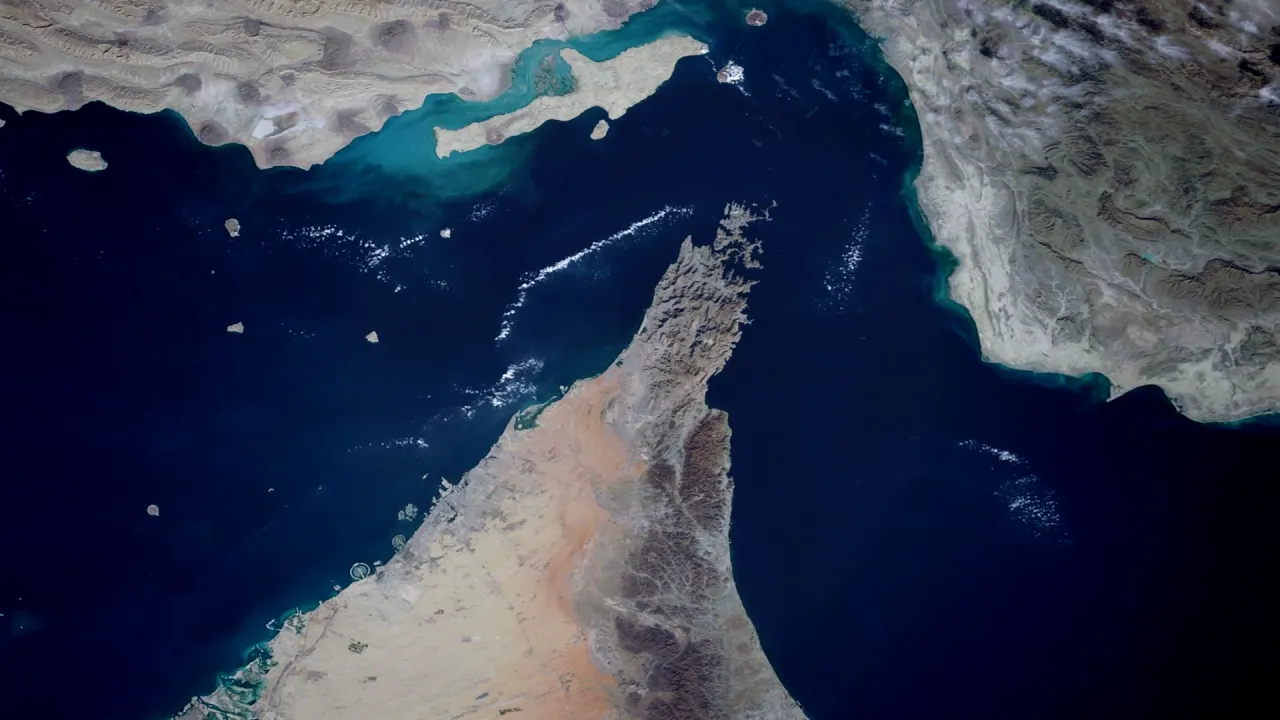
Iran has taken significant steps to formalize its control over the Strait of Hormuz, a vital global energy chokepoint, by restricting passage for vessels deemed hostile, including those from the U.S. and Israel. This move marks a notable escalation in the ongoing maritime and diplomatic standoff involving Iran and its adversaries.
The Strait of Hormuz is crucial for international shipping, and Iran's decision to assert tighter control could have far-reaching implications for global energy markets. As tensions rise, the U.S. is working to ensure open access to the strait, but Iran's actions present a new challenge to these efforts.
Market Reactions and Future Implications
Market pricing has begun to reflect a decreased likelihood of a U.S.-Iran agreement to restore normal traffic through the Strait of Hormuz by August 15. This shift indicates rising tensions and suggests that a resolution may not be forthcoming in the near term.
Observers are closely monitoring developments in U.S.-Iran negotiations, particularly statements from key figures such as President Trump and Iran’s Foreign Minister Abbas Araghchi. Additionally, shifts in maritime traffic and insurance data will serve as indicators of the evolving situation.
Resumption of Supertanker Loadings at Kharg Island
In a related development, the National Iranian Tanker Company has resumed supertanker loadings at Kharg Island, marking the first such activity since late July. A VLCC-class vessel successfully loaded approximately two million barrels of crude oil, a significant event given that Kharg Island handles around 90% of Iran's crude shipments.
The resumption follows a U.S. naval blockade that had halted operations at Kharg Island for nearly a month. While this loading is a positive sign, the unpredictability of Iranian crude exports continues to pose challenges for global supply calculations.
As of mid-August, the activity at Kharg Island remains inconsistent, suggesting that the window for sustained export recovery may be limited. The ongoing dynamic between Iran's dark fleet tactics and U.S. naval enforcement complicates the situation further.
Updated 16:02 UTC
New Developments on Iran's Economic Measures
President Donald Trump has highlighted Treasury Secretary Scott Bessent's remarks regarding unprecedented economic isolation measures against Iran. These measures are expected to begin rolling out as early as the week of August 17, targeting Iran's financial networks and oil sales infrastructure.
Bessent described a "one-two punch" strategy: the first component involves sweeping secondary sanctions aimed at cutting Iran off from the global financial system, while the second may include potential port blockades, marking a significant escalation beyond economic pressure.
Secondary sanctions will target third-country banks and businesses that facilitate transactions with Iranian oil entities, forcing foreign institutions to choose between access to the US financial system and commercial relationships with Iran.
These measures come amid a nearly six-month conflict between the US and Iran, with potential port blockades requiring naval assets in or near the Strait of Hormuz, through which roughly a fifth of the world's oil passes.
Additionally, banks in China, India, Turkey, and the UAE will face increased pressure to sever ties with Iran or risk being excluded from dollar-denominated markets.
FAQ
What recent actions has Iran taken regarding the Strait of Hormuz?
Iran has formalized its control over the Strait of Hormuz by restricting passage for vessels it deems hostile, including those from the U.S. and Israel.
Why is the Strait of Hormuz significant for global shipping?
The Strait of Hormuz is a vital energy chokepoint through which a significant portion of the world's oil supply is transported, making it crucial for international shipping and global energy markets.
What are the implications of Iran's actions for U.S.-Iran negotiations?
Iran's tighter control over the Strait of Hormuz suggests a decreased likelihood of a U.S.-Iran agreement to restore normal traffic, indicating rising tensions and a challenging diplomatic landscape.
What recent developments have occurred at Kharg Island?
The National Iranian Tanker Company has resumed supertanker loadings at Kharg Island, marking the first such activity since late July, with a VLCC-class vessel successfully loading approximately two million barrels of crude oil.
How do Iran's crude exports affect global supply?
The unpredictability of Iranian crude exports, particularly following the resumption of activities at Kharg Island, poses challenges for global supply calculations, as ongoing tensions complicate the situation.
Comments
Comments are moderated before publish.
No comments yet — be the first.