US Fires on Panama-Flagged Ship Amid Rising Tensions with Iran
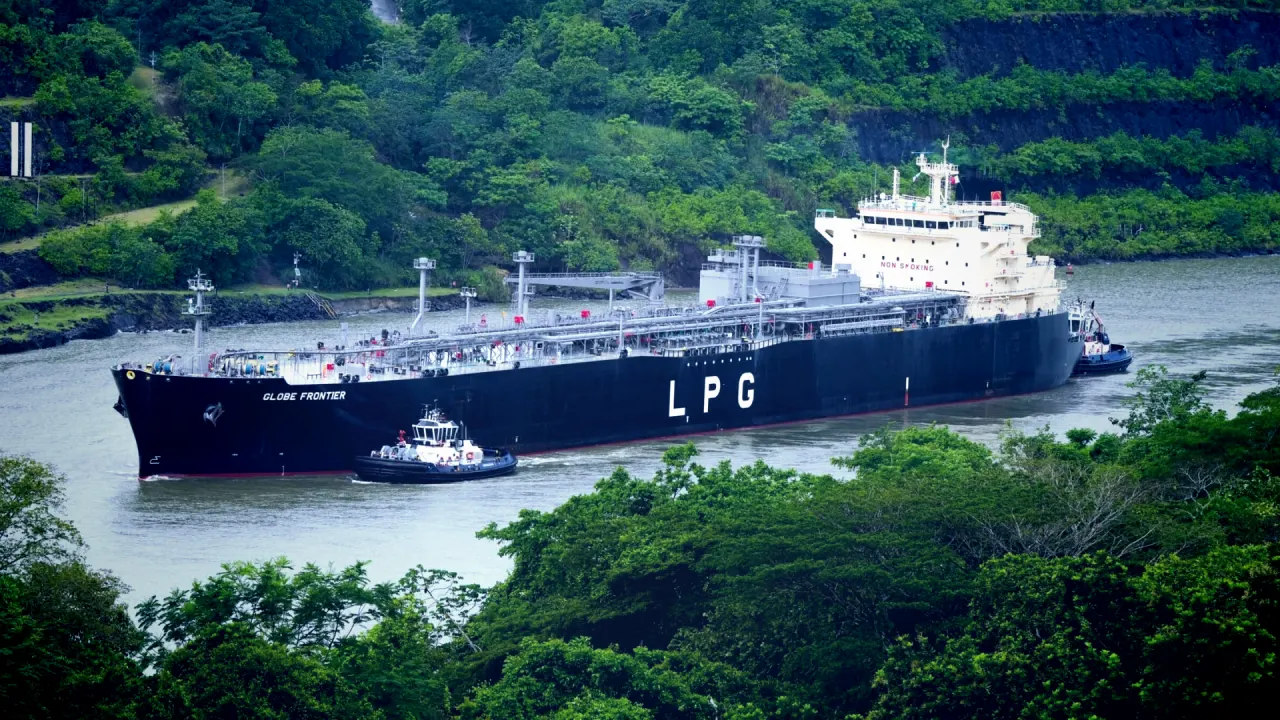
The United States reportedly fired on a Panama-flagged ship early Tuesday, according to sources cited by the Wall Street Journal. The incident occurred in the Gulf of Oman as the vessel attempted to breach the U.S. naval blockade of Iranian ports. This represents an escalation in the U.S.–Iran maritime conflict, which has seen increasing tensions around the Strait of Hormuz.
The ship, believed to be the Vela Nova, was reportedly hit by a missile, marking a significant shift from previous interceptions or warnings to direct kinetic action. Markets are closely monitoring these developments, as they may influence the likelihood of the U.S. ending the blockade by the end of August.
Market Reactions
- Market pricing suggests the U.S. firing on the ship is consistent with decreased odds of an announced end to the blockade by August 31, 2026.
- This escalation appears to have contributed to a decline in the August 31 sub-market from 40% to 39% YES over the past 24 hours.
- The August 15 sub-market also shows a notable decrease in probability, dropping from 46% to 16% YES over the past week.
What to Watch
Observers should watch for any official statements from the U.S. government or military, which could further clarify the situation and potentially impact market pricing. Additionally, any retaliatory measures from Iran or new diplomatic efforts could shift perceptions regarding the likelihood of the blockade’s end. Key dates to monitor include upcoming deadlines for various prediction markets, such as August 15 and August 31, where significant pricing changes could occur based on unfolding events.
Updated 16:02 UTC
New Insights from the Atlanta Fed
Cheryl Venable, the president of the Atlanta Fed since March 1, 2026, has highlighted that inflation remains significantly above the Federal Reserve's target of 2%. As of April 2026, the Consumer Price Index (CPI) was reported at 3.8% year-over-year.
Venable emphasizes that the ongoing conflict in the Middle East poses a risk to oil supply stability, which could further impact energy prices and inflation. Her analysis suggests that prolonged conflict may keep upward pressure on prices across various sectors, including transportation and manufacturing.
Venable's approach incorporates qualitative feedback from regional business contacts, reflecting her belief that real-time economic conditions may not always align with official statistics.
Investors are advised to be cautious, as the prospect of interest rate cuts appears unlikely amidst persistent inflation and geopolitical risks, particularly in energy-sensitive sectors.
FAQ
What incident occurred involving a Panama-flagged ship and the U.S. military?
The United States reportedly fired on a Panama-flagged ship, believed to be the Vela Nova, in the Gulf of Oman as it attempted to breach the U.S. naval blockade of Iranian ports.
What does this incident signify in the context of U.S.–Iran relations?
This incident marks a significant escalation in the U.S.–Iran maritime conflict, shifting from previous interceptions or warnings to direct kinetic action.
How have markets reacted to the U.S. firing on the ship?
Market pricing suggests decreased odds of the U.S. ending the blockade by August 31, 2026, with notable declines in the probabilities for both the August 31 and August 15 sub-markets.
What should observers watch for following this incident?
Observers should monitor for official statements from the U.S. government or military, as well as any retaliatory measures from Iran or new diplomatic efforts that could influence the situation.
What are the key dates to keep an eye on regarding this situation?
Key dates include August 15 and August 31, where significant pricing changes in prediction markets could occur based on the unfolding events related to the blockade.
Comments
Comments are moderated before publish.
No comments yet — be the first.