Bitcoin Drops Below $85,000 as Treasury Yields Rise Above 5%
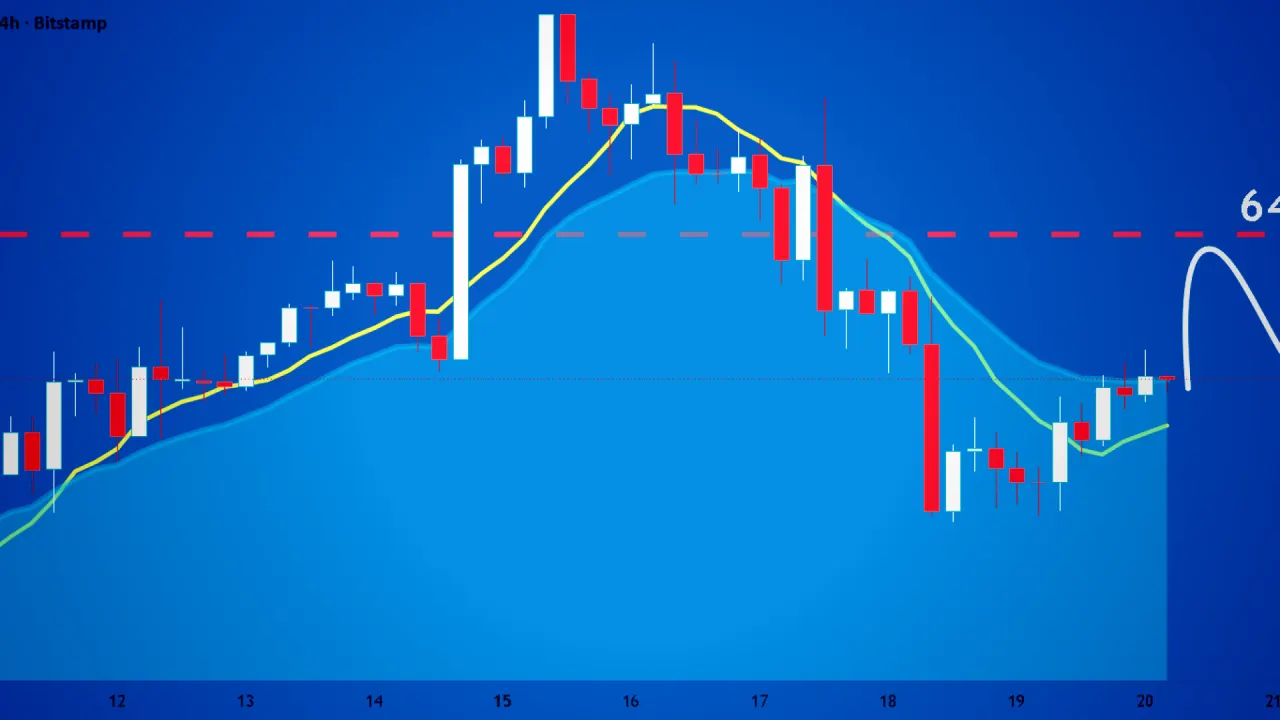
Bitcoin has retreated below the $85,000 mark after U.S. Treasury yields surged above 5%, influenced by robust economic indicators. The S&P Global’s flash U.S. Composite PMI rose to 58.4 in September, marking the highest reading since July 2021. This uptick in business activity has led to fears that the Federal Reserve may maintain a tight monetary policy, which could adversely affect risk assets like Bitcoin.
The recent climb of Bitcoin above $87,000 was fueled by positive sentiment and strong institutional demand, but the latest pullback towards the mid-$84,000 range highlights the cryptocurrency's sensitivity to macroeconomic conditions. While Bitcoin remains significantly above its earlier lows, the current market dynamics suggest that further buying pressure is needed to sustain higher price levels.
As Treasury yields rise, investors are presented with more attractive alternatives to riskier assets, making it crucial for Bitcoin to demonstrate resilience against macroeconomic headwinds. The ongoing economic data will play a pivotal role in determining how long interest rates will remain elevated, potentially impacting Bitcoin's trajectory through the remainder of 2026.
FAQ
What caused Bitcoin to drop below $85,000?
Bitcoin's drop below $85,000 was primarily influenced by a surge in U.S. Treasury yields above 5%, driven by strong economic indicators like the S&P Global’s flash U.S. Composite PMI rising to 58.4.
How do rising Treasury yields affect Bitcoin?
Rising Treasury yields make safer investments more attractive compared to riskier assets like Bitcoin, which can lead to decreased demand and lower prices for cryptocurrencies.
What recent trends were observed in Bitcoin's price before the drop?
Before the drop, Bitcoin had climbed above $87,000 due to positive sentiment and strong institutional demand, but the recent pullback indicates its sensitivity to macroeconomic conditions.
What does the current market dynamics suggest for Bitcoin's future?
The current market dynamics suggest that Bitcoin needs to demonstrate resilience and attract further buying pressure to sustain higher price levels amidst rising Treasury yields and potential tight monetary policy.
How might future economic data impact Bitcoin's price trajectory?
Ongoing economic data will be crucial in determining the duration of elevated interest rates, which could significantly impact Bitcoin's price trajectory through the remainder of 2026.
Comments
Comments are moderated before publish.
No comments yet — be the first.