British Pound Hits One-Month Low Amid Rising Oil Prices and Stronger Dollar
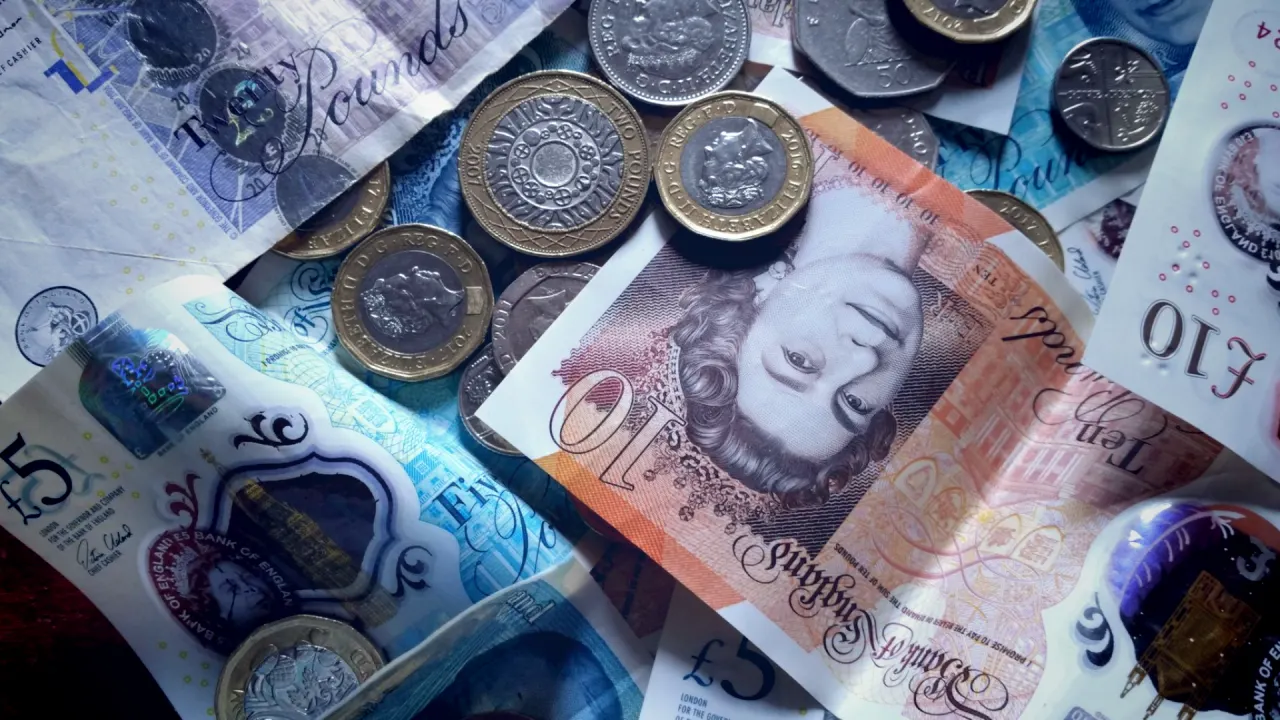
The British pound has slid to a one-month low, reaching $1.3474 against the US dollar on September 14. This decline, a 0.4% drop, is attributed to rising oil prices and a strengthening dollar as investors seek safe-haven assets amidst geopolitical tensions.
Brent crude oil prices surged by 3% to $108 per barrel following Houthi strikes on Saudi Arabian infrastructure, which led to the closure of a key pipeline. This situation has raised concerns over energy supply, further impacting the pound's value as the UK is a net energy importer.
The dollar's strength is also bolstered by expectations that the Federal Reserve will raise interest rates soon, diverging from the Bank of England's anticipated hold on rates. This discrepancy in monetary policy is drawing capital towards the dollar, making it more attractive compared to sterling.
Despite a recent report showing UK GDP growth of 0.4% in July, which exceeded forecasts, the pound's inability to recover suggests that traders are more focused on the implications of rising oil prices and the geopolitical landscape than on past economic performance.
As the situation develops, market participants will be closely monitoring statements from key energy figures and geopolitical developments that could further influence oil prices and currency movements.
FAQ
What caused the British pound to hit a one-month low?
The British pound hit a one-month low due to rising oil prices and a strengthening US dollar, as investors sought safe-haven assets amidst geopolitical tensions.
How much did the British pound decline against the US dollar?
The British pound declined by 0.4%, reaching $1.3474 against the US dollar on September 14.
What impact did rising oil prices have on the British pound?
Rising oil prices raised concerns over energy supply, which negatively impacted the pound's value since the UK is a net energy importer.
Why is the US dollar strengthening compared to the British pound?
The US dollar is strengthening due to expectations that the Federal Reserve will raise interest rates soon, contrasting with the Bank of England's anticipated hold on rates, making the dollar more attractive to investors.
What recent economic data was released for the UK, and how did it affect the pound?
A recent report showed UK GDP growth of 0.4% in July, exceeding forecasts; however, the pound's inability to recover suggests that traders are more focused on rising oil prices and geopolitical issues than on past economic performance.
Comments
Comments are moderated before publish.
No comments yet — be the first.