Central Bankers Warn Dollar Stablecoins Threaten Monetary Sovereignty
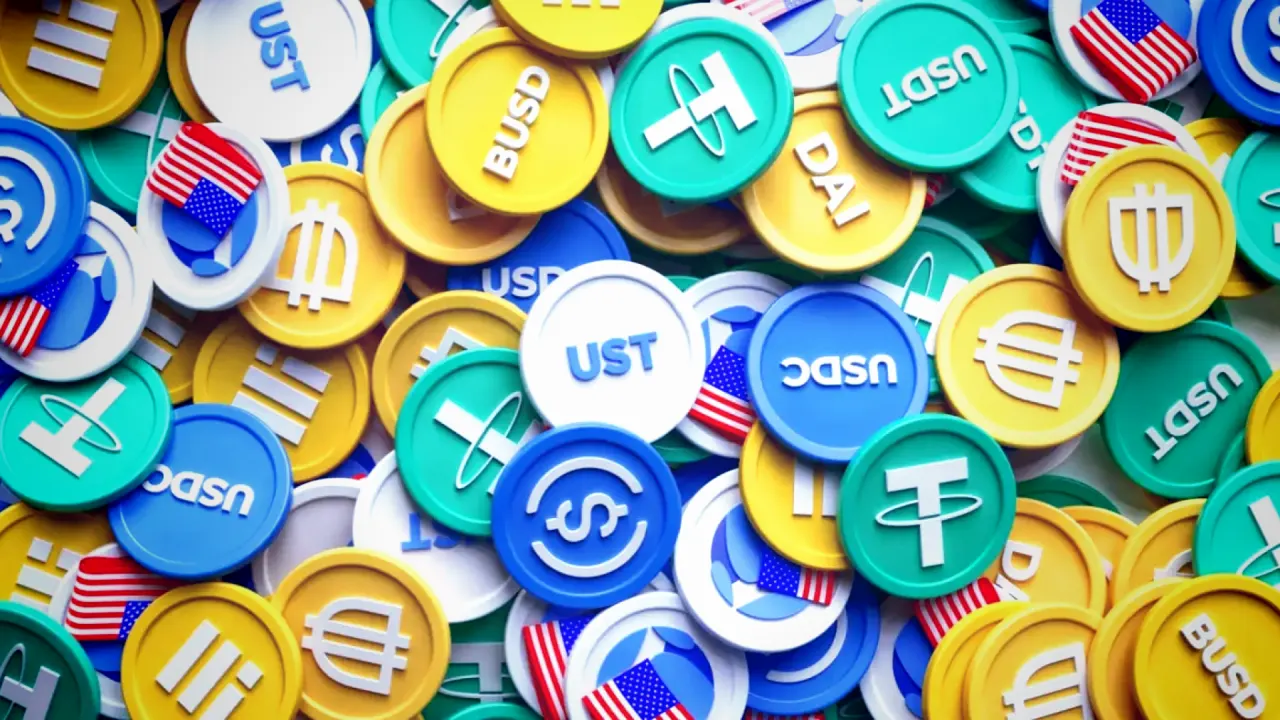
The growing influence of dollar-pegged stablecoins, particularly Tether, has raised alarms among central bankers worldwide. Institutions such as the European Central Bank, the Bank for International Settlements, and the International Monetary Fund are increasingly vocal about the risks these stablecoins pose to monetary sovereignty.
Economists have long worried about the phenomenon of digital dollarization, which is now manifesting through stablecoins. Jennie Levin, involved in consultations at the Bank of England, has highlighted the urgent need for regulatory measures to address this issue. Central banks are recognizing that their official digital currencies may not effectively counter the rise of private dollar stablecoins.
A report from June 2025 indicated that US stablecoins could severely undermine monetary sovereignty in regions like the eurozone and parts of the global south. When individuals in countries with high inflation, such as Argentina or Nigeria, convert their local currencies into stablecoins like USDT or USDC, they effectively withdraw from their domestic monetary systems. This shift can diminish the impact of central banks' interest rate adjustments, weakening the policy transmission mechanisms that connect central bank decisions to the broader economy.
Research from the Bank for International Settlements has shown that stablecoin adoption tends to surge in high-inflation economies, creating a vicious cycle where the depreciation of local currencies drives more individuals to seek refuge in dollar stablecoins.
In the US, the GENIUS Act, enacted in July 2025, established a regulatory framework that favors private payment stablecoins over retail central bank digital currencies (CBDCs). This move reflects a strategic decision to enhance the global reach of the dollar without necessitating the Federal Reserve to develop a retail digital currency infrastructure.
As stablecoin usage expands, the reserves backing these tokens are increasingly concentrated in US Treasuries, with major issuers holding substantial amounts of short-term government debt. Analyses from the ECB, Bank of England, and IMF have warned that significant shifts towards foreign-currency stablecoins could not only weaken monetary policy transmission but also jeopardize the resilience of banks. If deposits migrate from local banks to stablecoin wallets, it limits banks' lending capacity, further constraining central banks' ability to influence economic conditions.
Looking ahead, central bank discussions in late 2025 are focusing on potential regulatory frameworks for cross-border stablecoin operations. The challenge lies in jurisdiction, as a stablecoin issued in the US under the GENIUS Act can be utilized globally, irrespective of local regulatory stances.
FAQ
What are dollar-pegged stablecoins?
Dollar-pegged stablecoins are cryptocurrencies that are designed to maintain a stable value by being pegged to the US dollar. Examples include Tether (USDT) and USD Coin (USDC).
Why are central bankers concerned about stablecoins?
Central bankers are concerned that dollar-pegged stablecoins threaten monetary sovereignty by allowing individuals to withdraw from their domestic monetary systems, especially in countries with high inflation, which can undermine the effectiveness of central bank policies.
What is the GENIUS Act?
The GENIUS Act, enacted in July 2025, established a regulatory framework in the US that favors private payment stablecoins over retail central bank digital currencies (CBDCs), aiming to enhance the global reach of the dollar.
How do stablecoins affect local banks?
The migration of deposits from local banks to stablecoin wallets limits banks' lending capacity, which can further constrain central banks' ability to influence economic conditions through monetary policy.
What are central banks discussing regarding stablecoins in late 2025?
Central banks are focusing on potential regulatory frameworks for cross-border stablecoin operations, addressing challenges related to jurisdiction and the impact of stablecoins on local economies.
Comments
Comments are moderated before publish.
No comments yet — be the first.