China's Economic Data for August Reveals Weakness in Retail and Investment
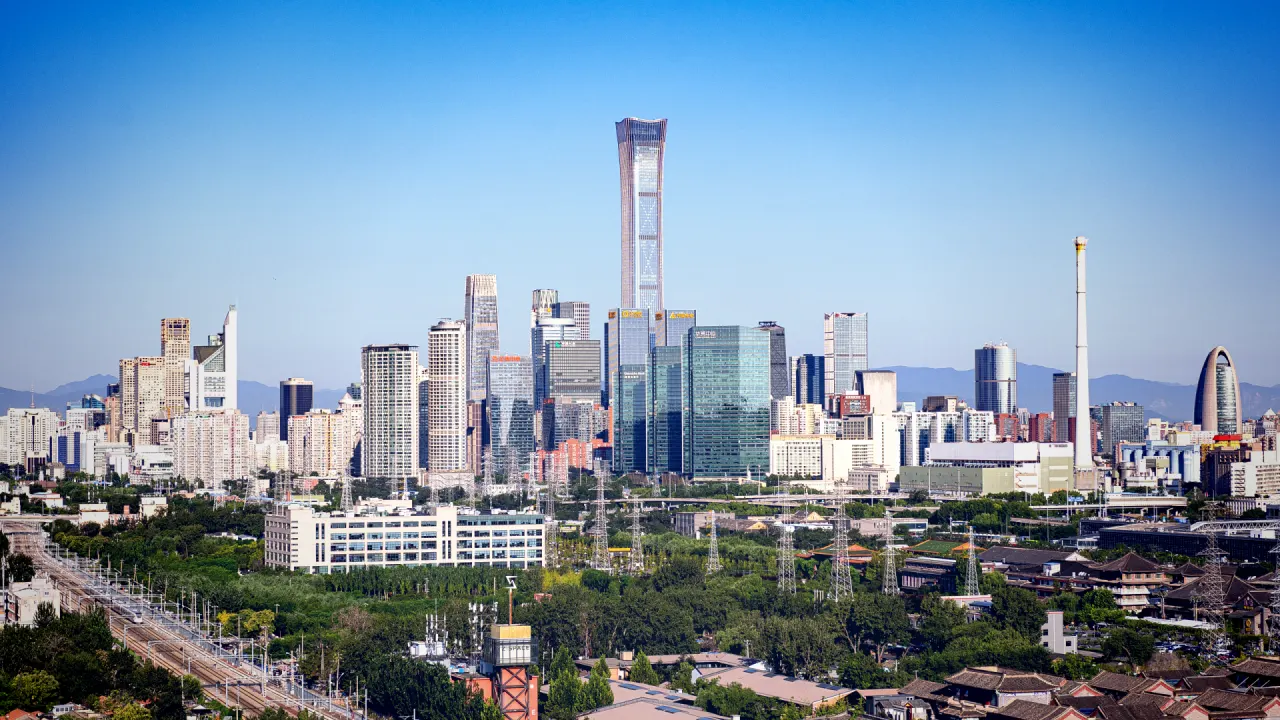
China's economic performance in August has been characterized by disappointing figures, as reported by the National Bureau of Statistics on September 15. Retail sales grew by only 3.4% year-over-year, a decline from July's 3.7% and below the anticipated 3.9%. Similarly, industrial production rose by 5.2%, falling short of the previous month's 5.7% and analyst expectations.
Fixed-asset investment, a crucial indicator of infrastructure and business spending, expanded just 0.5% year-to-date through August, a significant drop from 1.6% in July and below the 1.4% consensus forecast. The property sector continues to be a major concern, with real estate investment contracting by 12.9% over the first eight months of 2026, contributing to a decline in consumer confidence and local government revenues.
The labor market also showed signs of strain, with urban unemployment rising to 5.3% in August from 5.2% in July, partly due to an influx of recent graduates. However, exports surged by 25% year-over-year in August, indicating that Chinese manufacturers remain competitive globally despite domestic challenges.
China's government has set a GDP growth target of approximately 5% for 2026, but the latest data suggests that achieving this goal may be increasingly difficult. Economists are calling for more aggressive counter-cyclical policies to stimulate domestic demand, as previous measures, including interest rate cuts and targeted lending, have not yet yielded significant results.
The disconnect between strong export performance and weak domestic demand raises questions about the sustainability of China's growth model, particularly if external trade conditions deteriorate.
Updated 03:31 UTC
New Economic Insights from China (September 2023)
- Industrial output in China increased by 5.2% year-over-year in August, surpassing July's 4.5% growth and the forecast of 4.8%.
- Retail sales growth was only 0.4% in August, a decline from 0.6% in July and below the expected 0.8%.
- Retail sales contracted by 0.6% in May, marking the first decline since late 2022, with August's growth barely recovering from this slump.
- Fixed-asset investment fell by 7.2% from January to August, worsening from a 6.7% decline through July.
- Property investment saw a nearly 20% year-over-year decline in the first eight months of the year, significantly impacting consumer confidence.
- Government officials have noted a strong supply versus weak demand imbalance, indicating factories are producing goods that consumers are unwilling or unable to purchase.
FAQ
What was the year-over-year growth rate of retail sales in China for August?
Retail sales in China grew by only 3.4% year-over-year in August, a decline from July's 3.7% and below the anticipated 3.9%.
How did industrial production perform in August compared to July?
Industrial production rose by 5.2% in August, which was a decrease from the previous month's growth of 5.7% and fell short of analyst expectations.
What is the current state of fixed-asset investment in China?
Fixed-asset investment expanded just 0.5% year-to-date through August, a significant drop from 1.6% in July and below the 1.4% consensus forecast.
What is the unemployment rate in urban areas of China as of August?
The urban unemployment rate in China rose to 5.3% in August, up from 5.2% in July, partly due to an influx of recent graduates.
What is the GDP growth target set by China's government for 2026?
China's government has set a GDP growth target of approximately 5% for 2026, but recent economic data suggests that achieving this goal may be increasingly difficult.
Comments
Comments are moderated before publish.
No comments yet — be the first.