Diplomatic Tensions Rise Over Control and Fees in the Strait of Hormuz
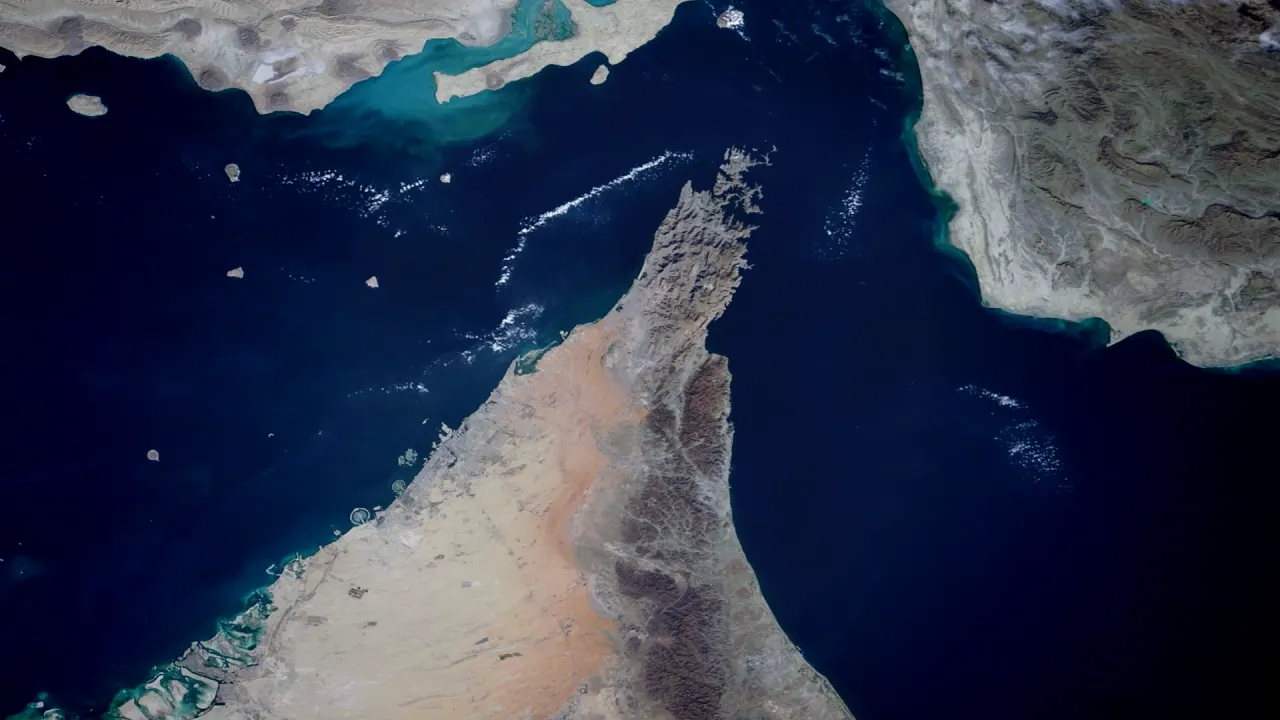
A former diplomat's assertion that no single country controls the Strait of Hormuz has raised questions about U.S. influence in the region, contradicting President Trump's earlier claims of complete U.S. control. This statement comes amid ongoing tensions related to the 2026 Iran-U.S.-Israel conflict, particularly concerning maritime access to this crucial waterway for global oil transport.
The diplomat's comments suggest a reevaluation of U.S. authority, as Iran has periodically asserted its own control over the passage. Market reactions indicate a decreased likelihood of the U.S. imposing fees for passage through the Strait of Hormuz.
Key Takeaways
- The former diplomat's statement undermines U.S. claims, suggesting reduced authority over Hormuz.
- Market perceptions show a decrease in the probability of U.S. charging passage fees.
- Geopolitical tensions in the region continue to impact market dynamics.
In a related development, Japan has urged Iran to ensure free passage through the Strait of Hormuz. This appeal, made by Japan’s Minister of Internal Affairs and Communications, Sanae Takaichi, aligns with ongoing international discussions regarding Iran's potential plans to charge transit fees for vessels navigating the strait.
The market response to Japan's statement indicates a reduced likelihood of Iran implementing transit fees by the end of August 2026, with the probability currently standing at 7.5%. This reflects a nuanced view among market participants that Japan's diplomatic pressure may influence Iran's decision-making.
What to Watch
- Market participants will be attentive to any new statements from U.S. officials that could affirm or contradict the former diplomat's assertions.
- Further claims from Iran regarding control or fees in the Strait of Hormuz could significantly influence market dynamics.
- Diplomatic negotiations involving major stakeholders like the U.S. and Oman will be crucial in shaping expectations regarding Iran's fee policy.
FAQ
What is the significance of the Strait of Hormuz in global oil transport?
The Strait of Hormuz is a critical waterway through which a significant portion of the world's oil supply is transported. Its control and access are vital for global energy security.
How has the former diplomat's statement affected perceptions of U.S. control in the region?
The former diplomat's assertion that no single country controls the Strait of Hormuz challenges previous claims of complete U.S. control, suggesting a reevaluation of U.S. influence and authority in the region.
What are the implications of Japan's appeal to Iran regarding free passage?
Japan's appeal to Iran for ensuring free passage through the Strait of Hormuz reflects international concerns about maritime access and may influence Iran's decision-making regarding potential transit fees.
What is the current market perception regarding U.S. fees for passage through the Strait of Hormuz?
Market reactions indicate a decreased likelihood of the U.S. imposing fees for passage through the Strait of Hormuz, following the former diplomat's comments and ongoing geopolitical tensions.
What should market participants watch for in the coming months?
Market participants should pay attention to new statements from U.S. officials, further claims from Iran regarding control or fees, and diplomatic negotiations involving major stakeholders, as these could significantly influence market dynamics.
Comments
Comments are moderated before publish.
No comments yet — be the first.