US Imposes New Sanctions on French Entities Linked to Hamas Cryptocurrency Transfers
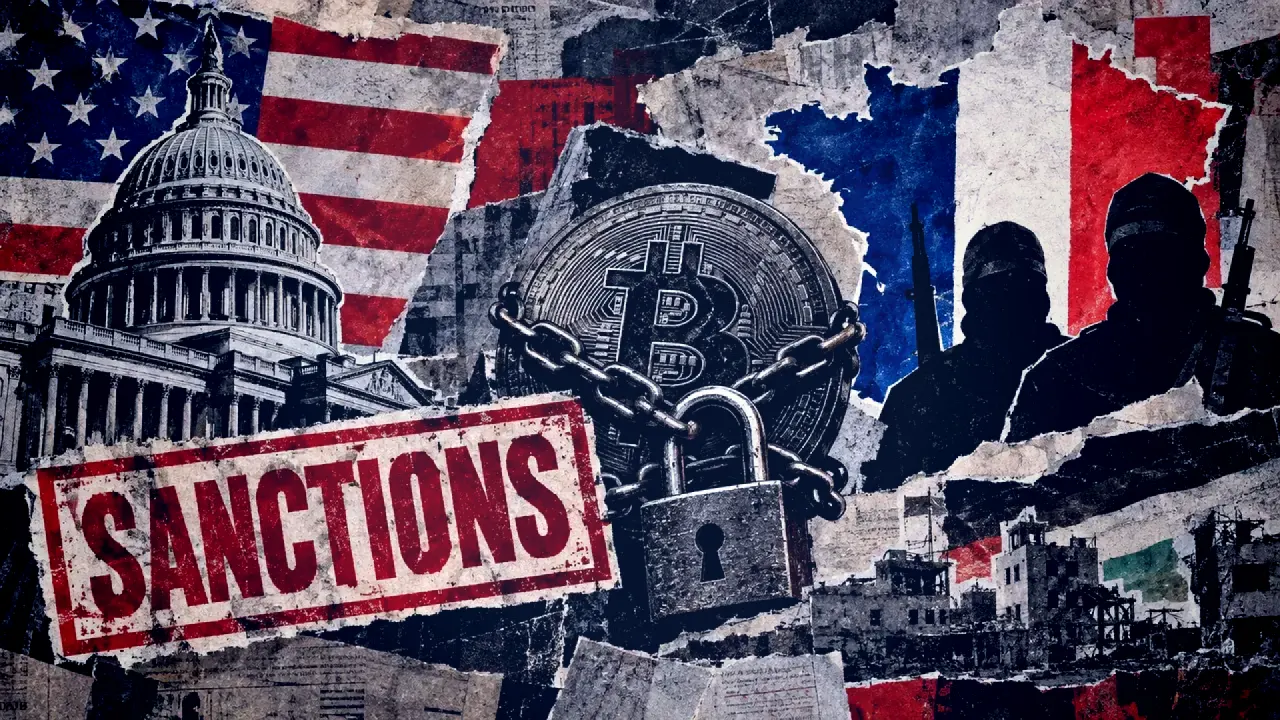
The US Treasury Department's Office of Foreign Assets Control (OFAC) has expanded its sanctions list by adding two French charities and three individuals accused of channeling cryptocurrency and other funds to Hamas. This action, taken on October 2, includes the organizations Association Baraka and Ensemble C Mieux, along with individuals Faouzi Barika, Amel Oualid, and Saleem Abdallah Saleem al-Zaq.
According to the Treasury, Barika and Oualid, both based in France, facilitated the transfer of hundreds of thousands of dollars in cryptocurrency to al-Zaq, who is identified as a deputy battalion commander in Hamas’ military wing located in Gaza. The Treasury alleges that these fundraisers and their associated organizations raised over $2 million for Hamas from 2020 to 2026, although it distinguishes that not all of this amount was transferred via digital assets.
These sanctions are part of the US's ongoing efforts to disrupt financing networks for Hamas, particularly as authorities increasingly trace digital asset transfers alongside traditional banking methods. The new designations impose immediate restrictions on the sanctioned parties, which include prohibitions on property held by US persons or moving through US jurisdiction.
US crypto exchanges, custodians, and payment processors are now required to block any property linked to the designated parties unless a specific OFAC license or exemption applies. This requirement extends to entities owned 50% or more by any blocked individuals, necessitating thorough compliance checks by firms.
OFAC treats digital assets similarly to fiat currency under its sanctions framework. If a US-regulated crypto company identifies assets belonging to a sanctioned individual, it must deny access and report the property to OFAC within ten business days. These blocked assets are also subject to annual reporting requirements, and firms are not mandated to convert frozen cryptocurrency into fiat currency, allowing them to retain the assets in their original form.
The sanctions could also impact foreign financial institutions, which may face secondary sanctions for facilitating significant transactions for the designated parties. While these measures do not impose a blanket freeze on all blockchain transactions related to the sanctioned entities, enforcement will depend on jurisdiction and the nature of the transactions.
As the situation evolves, it remains to be seen whether US authorities will disclose additional wallet addresses or entities associated with this network, potentially increasing the compliance burden for crypto exchanges.
FAQ
What entities have been sanctioned by the US Treasury Department?
The US Treasury Department has sanctioned two French charities, Association Baraka and Ensemble C Mieux, along with three individuals: Faouzi Barika, Amel Oualid, and Saleem Abdallah Saleem al-Zaq.
What is the reason for these sanctions?
The sanctions were imposed due to allegations that these entities and individuals facilitated the transfer of cryptocurrency and other funds to Hamas, raising over $2 million for the organization from 2020 to 2026.
What are the implications of these sanctions for US crypto exchanges?
US crypto exchanges, custodians, and payment processors are required to block any property linked to the designated parties and must report any identified assets to OFAC within ten business days.
How does OFAC treat digital assets under its sanctions framework?
OFAC treats digital assets similarly to fiat currency, meaning that any assets belonging to sanctioned individuals must be denied access and reported, and firms are not required to convert frozen cryptocurrency into fiat currency.
Could these sanctions affect foreign financial institutions?
Yes, foreign financial institutions may face secondary sanctions if they facilitate significant transactions for the designated parties, potentially impacting their operations.
Comments
Comments are moderated before publish.
No comments yet — be the first.