Iran Issues Warning to Gulf States Over US Military Presence Amid Ongoing Tensions
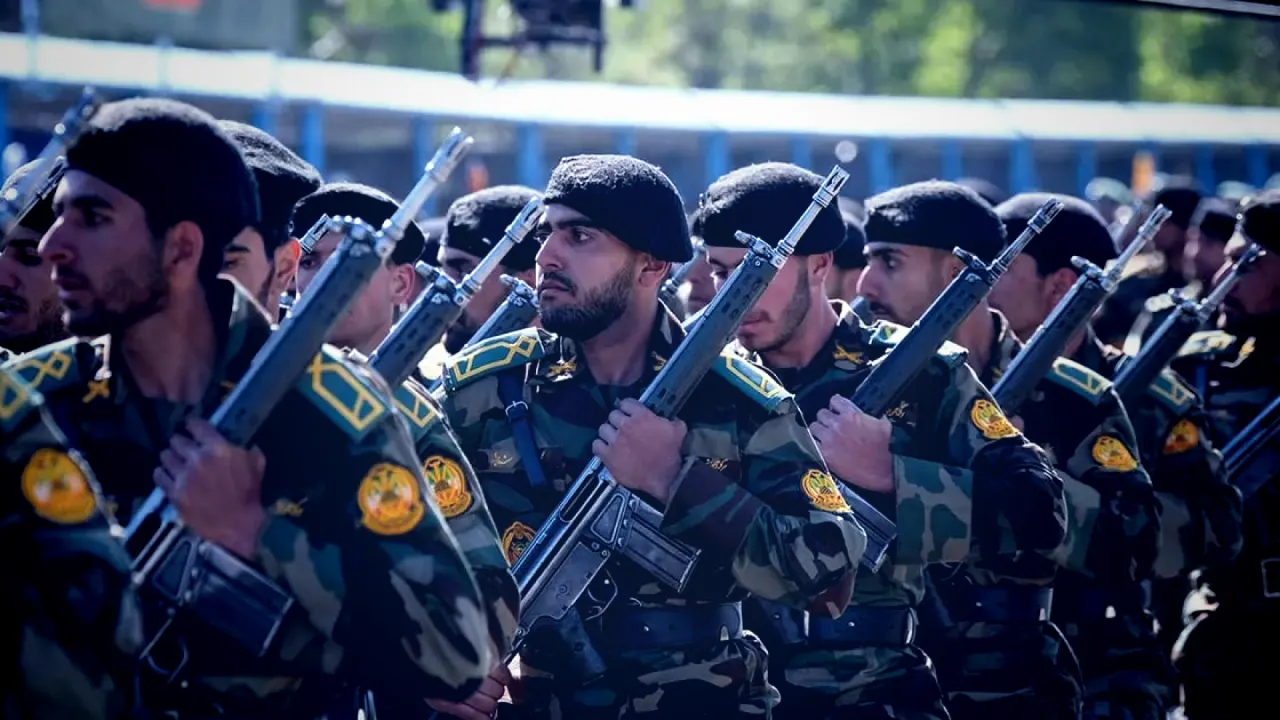
Iranian lawmaker Ebrahim Rezaei has issued a warning to Qatar, Kuwait, and the United Arab Emirates concerning the presence of U.S. military aircraft and refueling planes at their airports. As a member of Iran’s National Security and Foreign Policy Committee, Rezaei’s comments come amid heightened tensions in the Gulf region, where U.S. and Iranian forces have been involved in a series of retaliatory strikes.
The Gulf states, hosting U.S. military facilities, find themselves in a precarious position as the standoff continues. Rezaei’s mention of U.S. refueling aircraft suggests operational support for extended U.S. military actions in the area, which may influence regional security dynamics.
Key Takeaways
- Rezaei’s warning reflects ongoing tensions between Iran and the U.S., particularly concerning military operations in the Gulf.
- The presence of U.S. refueling aircraft in these countries could indicate sustained combat operations, potentially impacting the regional power balance.
- Market pricing suggests an increased perception of risk regarding Iran’s response, although the impact remains moderated by the source’s tier.
What to Watch
- Observers should monitor any official communications from the Civil Aviation Organization of Iran (CAOI) for indications of potential airspace closure, which would align with a heightened threat scenario.
- Statements from U.S. and Iranian officials could further illuminate the likelihood of escalating actions.
- Changes in market pricing for the “Iran full airspace closure” scenario by August 31 may provide insight into shifting expectations regarding regional stability.
Updated 23:00 UTC
New Developments
Iran's top security official, Ali Akbar Ahmadian, has stated that the strategic value of possessing a nuclear bomb outweighs that of conventional military assets, such as the F-35 fighter jet. This assertion highlights Iran's prioritization of nuclear capability as a critical deterrent amid ongoing tensions with the U.S. over its nuclear program.
Diplomatic efforts to curb Iran's uranium enrichment have seen limited progress, and Ahmadian's comments may indicate a reduced likelihood of Iran agreeing to halt these activities by the end of 2026. Recent predictions show a decline in confidence regarding a potential agreement by December 31, with prediction market shares dropping from 14% to 10.5%.
The geopolitical landscape, including previous U.S. and Israeli strikes on Iranian infrastructure, reinforces Iran's focus on nuclear deterrence. Observers are advised to watch for any changes in diplomatic negotiations, particularly involving mediation efforts from Oman or Türkiye, as well as reports from the International Atomic Energy Agency (IAEA) regarding Iran's compliance with nuclear agreements.
Key figures, including Iran's Supreme Leader Ayatollah Ali Khamenei and U.S. officials, will play crucial roles in shaping the future of these negotiations, and their public statements may provide further insights into Iran's nuclear ambitions.
Updated 05:00 UTC
New Developments
Iran executed Majid Adineh, a protester arrested during nationwide demonstrations in January, as reported by judiciary-affiliated Mizan News. The judiciary accused him of collaborating with Israel, the United States, and hostile groups against Iran’s national security.
Adineh was detained on January 9 near Karaj, central Iran. This execution is viewed as part of the broader Iran–U.S.–Israel conflict, which has intensified since February 2026.
The judiciary's portrayal of Adineh's actions as linked to foreign adversaries suggests a heightened national-security posture in Iran.
Market indicators show a slight increase in the likelihood of instability within the Iranian regime, with recent activities hinting at potential outcomes favoring regime change.
Key factors to monitor include further escalations between Iran, the U.S., and Israel, potential defections within the IRGC, mass protests, and any shifts in U.S. military or diplomatic strategies that could affect perceptions of the Iranian regime's stability.
Particular attention should also be paid to developments regarding the Strait of Hormuz, as ongoing disputes or resolutions could significantly influence market sentiment.
Updated 06:00 UTC
New Developments in Iran-US Relations
Iranian President Masoud Pezeshkian has defended a recent 14-point memorandum of understanding (MOU) signed with the United States in June 2026, calling it a "major accomplishment." He insists that the agreement does not require Iran to concede to US demands, emphasizing that all binding commitments fall on the American side.
The MOU, approved by Iran's Supreme National Security Council, aims to end hostilities between Tehran and Washington, regulate shipping through the Strait of Hormuz, and initiate discussions on Iran's nuclear program over a 60-day period. Notably, navigation through the Strait of Hormuz will be governed by Iranian regulations, which Tehran views as a recognition of its sovereignty.
Despite institutional support, Pezeshkian faces criticism domestically, with accusations that his opponents are echoing narratives aligned with Israeli interests. He has rejected speculation about resigning due to the backlash, framing the criticism as misguided.
The mediation by Pakistan and Qatar is significant, given Pakistan's historical balancing act between Iran and Gulf Arab states, while Qatar has established itself as a mediator in regional disputes.
Updated 06:01 UTC
New Developments in Iran-US Relations
Iranian President Masoud Pezeshkian has called for support of the Tehran-Washington memorandum of understanding, emphasizing its significance despite facing domestic criticism. This memorandum, initially mediated by Pakistan, was intended as a ceasefire agreement but expired after 60 days without a final settlement.
Pezeshkian's continued advocacy for the memorandum suggests a commitment to potential renewed negotiations with the United States, which may impact his political standing. Current market trends indicate a reduced likelihood of his departure from power, reflecting his consolidation.
Key points to monitor include any public endorsements or criticisms from Iranian officials regarding the memorandum, as well as potential shifts in support from influential figures like the Supreme Leader or the IRGC. Developments in US-Iran relations could also affect perceptions of Pezeshkian's political stability.
Updated 09:01 UTC
New Developments in Global Oil Market
- China has cut its oil imports by 5.5 million barrels per day, leading to a $30 drop in global oil prices.
- This reduction is impacting market expectations regarding crude oil prices, with a current low probability of reaching a new all-time high by September 30, estimated at 2.1%.
- For December 31, the probability of hitting a new high is slightly higher at 13.5%.
- Market participants are closely watching OPEC for any announcements on production changes that could affect oil prices.
- Geopolitical stability, particularly related to Iran, is expected to play a significant role in shaping future market trends.
Updated 10:00 UTC
New Developments
- Iran's national security chief has threatened to target U.S. economic interests in response to potential new sanctions.
- This statement marks a significant escalation in the ongoing confrontation between the U.S. and Iran.
- The threat suggests a shift from merely resisting sanctions to potential asymmetric retaliation against commercial and energy-linked targets.
- Recent market data indicates a decrease in confidence regarding the likelihood of a U.S.-Iran deal that includes reconstruction funding by the end of 2026, with current odds at 17.5% YES.
- The increased tensions following Iran's threat may have influenced market participants' perceptions of a diplomatic resolution.
Updated 11:30 UTC
New Developments
Iran's nuclear chief has revealed that the Isfahan nuclear fuel plant was the first target of joint US-Israeli military assaults, highlighting the escalating tensions since military involvement began in June 2025.
The Isfahan site is crucial to Iran's nuclear fuel cycle and has been targeted as part of a strategy to weaken Iran's nuclear capabilities.
Current market behavior indicates a decreased likelihood of IAEA visits to Iranian nuclear sites by August 31, with the probability of inspectors accessing the Isfahan site dropping to 0.5%.
Key figures, including IAEA Director General Rafael Mariano Grossi, are expected to provide insights that could influence the likelihood of future inspections, contingent on diplomatic negotiations or military actions.
FAQ
What warning did Iranian lawmaker Ebrahim Rezaei issue?
Ebrahim Rezaei warned Qatar, Kuwait, and the United Arab Emirates about the presence of U.S. military aircraft and refueling planes at their airports amid ongoing tensions in the Gulf region.
Why is the presence of U.S. military aircraft significant?
The presence of U.S. military aircraft, particularly refueling planes, suggests operational support for extended U.S. military actions in the Gulf, which could influence regional security dynamics.
What are the implications of U.S. military operations in the Gulf for the Gulf states?
The Gulf states hosting U.S. military facilities find themselves in a precarious position as tensions rise, which may affect their security and diplomatic relations in the region.
What should observers monitor regarding Iran's response?
Observers should keep an eye on official communications from the Civil Aviation Organization of Iran (CAOI) for potential airspace closure announcements, as well as statements from U.S. and Iranian officials regarding escalating actions.
How might market pricing reflect the situation in the Gulf region?
Market pricing may indicate an increased perception of risk regarding Iran's response, and changes in pricing for scenarios like 'Iran full airspace closure' by August 31 could provide insight into shifting expectations about regional stability.
Comments
Comments are moderated before publish.
No comments yet — be the first.