Iran Rejects US Sanctions Threat, Warns Supporters Will Be Treated as Enemies
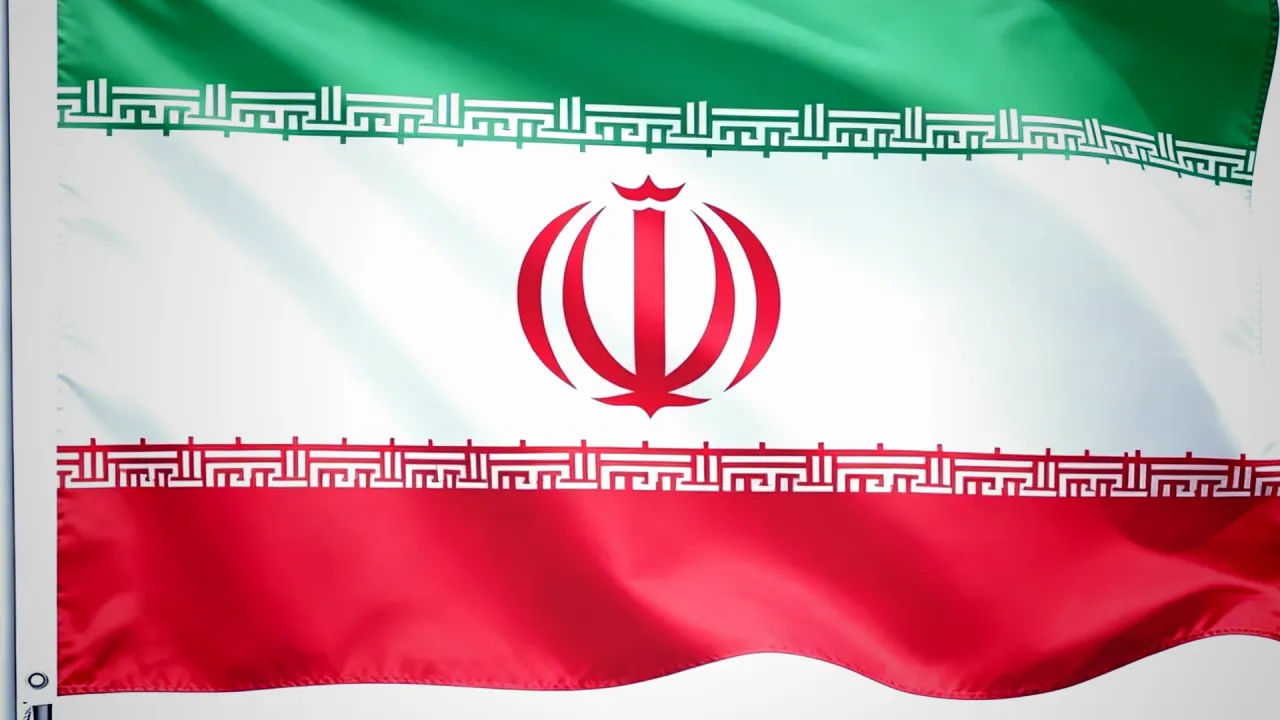
Iran has responded to the latest U.S. sanctions threat by labeling it a futile effort and an act of desperation. Esmaeil Baghaei, spokesman for the Iranian Foreign Ministry, criticized the U.S. for attempting to impose what he termed 'extraterritorial sovereignty.' This comes as the U.S. intensifies sanctions targeting Iran's oil, shipping, and finance sectors amidst ongoing geopolitical struggles.
In a related development, Iran has issued a stark warning stating that any country supporting U.S. sanctions will be treated as an enemy at war. This declaration heightens the already tense situation in U.S.-Iran relations and indicates a potential escalation in diplomatic and economic hostilities.
Market reactions suggest a slight adjustment in the likelihood of significant political changes in Iran, particularly regarding President Masoud Pezeshkian's position. The odds of his departure by the end of the year have decreased from 14% to 13.5%.
Moreover, the chances of a U.S.-Iran deal that includes reconstruction funding have also diminished, dropping from 24% to 16.5%. Analysts note that the involvement of countries like China and Pakistan, which may not comply with U.S. sanctions, complicates the diplomatic landscape.
Looking ahead, observers will be closely monitoring any further announcements from Iranian leadership and the U.S. government, as well as the actions of key global players that could influence the sanctions regime and market perceptions of political stability in Iran.
Updated 07:33 UTC
New Developments on Iran's Economic Situation
Iran’s rial has reached a record low, trading at approximately 2 million rials to one US dollar, a significant decline from 1.918 million rials per dollar just over a month ago.
The inflation rate in Iran has surpassed 40% year-on-year, with food prices experiencing particularly sharp increases, contributing to a vicious cycle of currency depreciation and rising costs.
The US sanctions regime continues to be the primary driver behind the rial's collapse, severely limiting Iran's ability to sell oil internationally and access the global financial system.
Historically, currency crises in Iran have led to social unrest, as seen during the protests in 2019 and 2022, and the current economic pressures may provoke similar reactions.
Updated 08:01 UTC
New Developments on Global Petrol Prices
Since the onset of the conflict in Iran, consumers worldwide have been grappling with rising petrol prices. The geopolitical tension in the Middle East has significantly impacted global oil markets, pushing retail petrol prices higher in numerous countries.
Brent crude prices spiked to over $110-$118 per barrel during the conflict and later settled around $90-$95, indicating market volatility linked to the Iran conflict.
Key regions experiencing significant petrol price hikes include Malaysia, Pakistan, and the UAE, with the UK and U.S. also seeing substantial increases.
Current market pricing suggests a low probability of crude oil reaching a new all-time high by September 30, with a slightly higher outlook by December 31.
Observers will monitor developments in the Middle East for any changes that might affect oil supply and pricing, with key actors like OPEC, the IEA, and Saudi Arabia’s energy ministry potentially influencing market perceptions.
Updated 08:01 UTC
New Developments in the Strait of Hormuz
Iran has issued a warning to ships navigating the Strait of Hormuz, indicating that failure to comply with transit regulations may result in fines, detention, or seizure of vessels. This warning highlights the escalating enforcement measures by Iran in response to ongoing geopolitical tensions involving the United States and Israel.
The Strait of Hormuz remains a critical chokepoint for global trade, and Iran's assertive stance could significantly impact both commercial and military navigation in the region.
Market reactions suggest a decrease in confidence regarding the Iran-Oman Hormuz Management Agreement, with observers advised to monitor diplomatic developments and military activities in the area.
FAQ
What is Iran's response to the latest U.S. sanctions threat?
Iran has labeled the U.S. sanctions threat as a futile effort and an act of desperation, criticizing the U.S. for attempting to impose 'extraterritorial sovereignty.'
What warning has Iran issued regarding countries that support U.S. sanctions?
Iran has warned that any country supporting U.S. sanctions will be treated as an enemy at war, indicating a potential escalation in diplomatic and economic hostilities.
How have market reactions been affected by the current situation in U.S.-Iran relations?
Market reactions suggest a slight adjustment in the likelihood of significant political changes in Iran, particularly regarding President Masoud Pezeshkian's position, with his odds of departure decreasing from 14% to 13.5%.
What are the current odds of a U.S.-Iran deal that includes reconstruction funding?
The chances of a U.S.-Iran deal that includes reconstruction funding have diminished, dropping from 24% to 16.5%.
Which countries are complicating the diplomatic landscape regarding U.S. sanctions on Iran?
Countries like China and Pakistan, which may not comply with U.S. sanctions, are complicating the diplomatic landscape surrounding the situation.
Comments
Comments are moderated before publish.
No comments yet — be the first.