Iran Sentences Protesters Amid Ongoing Unrest and Economic Challenges
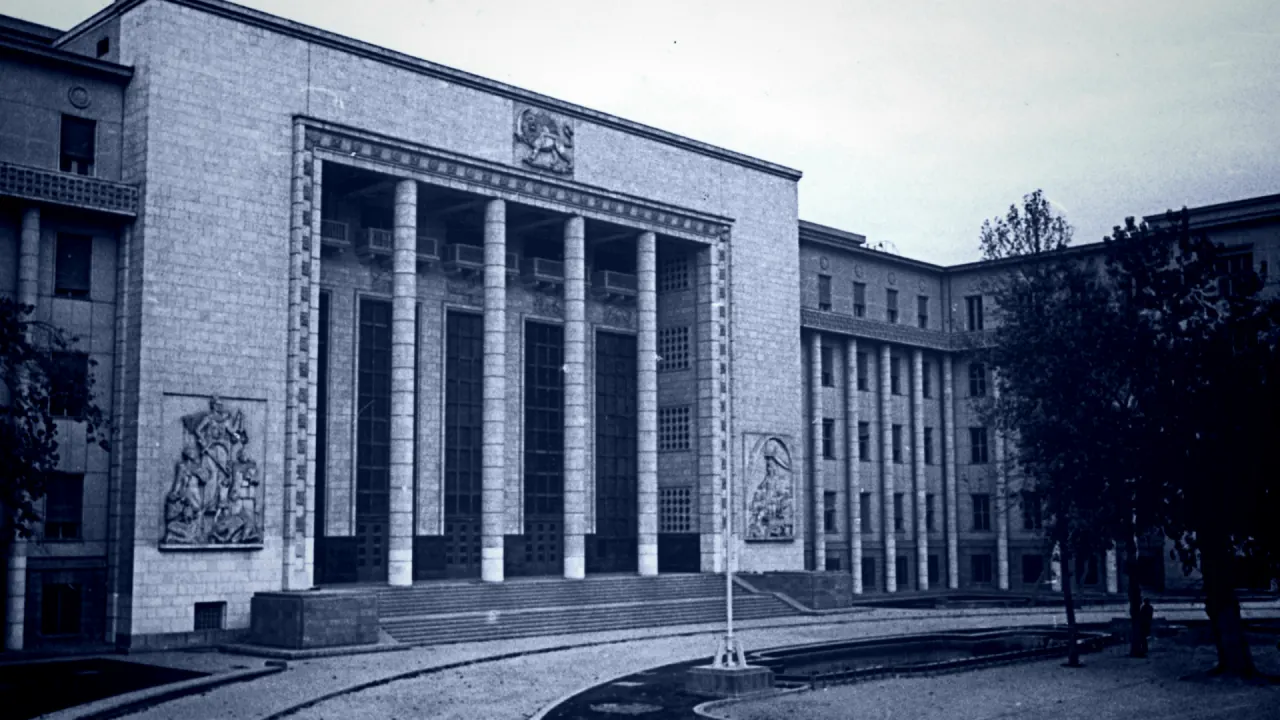
Iranian authorities have imposed harsh sentences on individuals involved in the January 2026 protests, with ten people receiving death sentences and six others facing 25-year prison terms. This decision was announced by Judges Morteza Barati and Mohammadreza Tavakoli of the Isfahan Revolutionary Court, highlighting the regime's aggressive stance against dissent.
The protests are part of a broader wave of anti-government demonstrations, and the judiciary's response indicates a significant level of state repression. Observers note that such actions could potentially increase public outrage and lead to intensified protests, further challenging the regime's stability.
Economic Pressures and Political Implications
In parallel, Secretary Bessent has commented on Iran's dire economic situation, suggesting that international sanctions and blockades may force the nation into negotiations. This economic strain could have significant implications for the political future of President Masoud Pezeshkian, as market predictions indicate a growing likelihood of his departure by the end of the year.
Market participants have reacted to Bessent’s statements, with the probability of Pezeshkian leaving office increasing from 14% to 25.5%. The evolving economic landscape is expected to influence leadership dynamics, with key figures like Supreme Leader Ayatollah Ali Khamenei and the Islamic Revolutionary Guard Corps playing crucial roles in determining the future of the current administration.
What to Watch
- Further public protests and the regime's response.
- Actions from key political figures in Iran.
- International developments regarding sanctions and negotiations.
Updated 15:33 UTC
Recent Developments in Iran
A prominent Tehran theater has removed actor Navid Mohammadzadeh following public backlash over his pro-Palestine stance, indicating growing public dissent against official positions.
This incident highlights the tensions within Iran, where pro-Palestine messaging, typically aligned with government policy, has become contentious amid domestic unrest.
Market indicators suggest an increased perception of instability within the Iranian regime, reflecting rising dissent among the populace.
Observers are monitoring for signs of further public dissent, potential defections from the Iranian Revolutionary Guard Corps, and shifts in international relations that may affect domestic sentiment, all of which could influence the likelihood of regime change before the end of 2026.
Updated 15:33 UTC
New Developments
- The U.S. Treasury Secretary plans to announce new Iran-related secondary sanctions on a weekly basis.
- This strategy is part of an ongoing effort to apply pressure on Iran by targeting entities and countries doing business with it.
- The initial sanctions package introduced on August 24 aimed to expand penalties to Iran-linked entities.
- Market participants are reacting to these developments, with increased speculation about the potential departure of Iranian President Masoud Pezeshkian.
- Current market pricing suggests a 26% likelihood of Pezeshkian leaving his position by December 31.
- The continuous sanctions strategy indicates a shift towards more aggressive enforcement, which could destabilize Iran's political landscape.
FAQ
What were the recent sentences imposed on protesters in Iran?
Iranian authorities sentenced ten individuals to death and six others to 25 years in prison for their involvement in the January 2026 protests.
Who announced the sentences for the protesters?
The sentences were announced by Judges Morteza Barati and Mohammadreza Tavakoli of the Isfahan Revolutionary Court.
What are the broader implications of these sentences?
The harsh sentences indicate a significant level of state repression, which could lead to increased public outrage and further protests, challenging the regime's stability.
How is Iran's economic situation affecting its political landscape?
Iran's dire economic situation, exacerbated by international sanctions, may force the nation into negotiations and could impact the political future of President Masoud Pezeshkian, with predictions of his potential departure increasing.
What should observers watch for in the coming months regarding Iran?
Observers should watch for further public protests, the regime's response, actions from key political figures, and international developments regarding sanctions and negotiations.
Comments
Comments are moderated before publish.
No comments yet — be the first.