Iran's Security Council Backs US Deal Amid Political Divisions
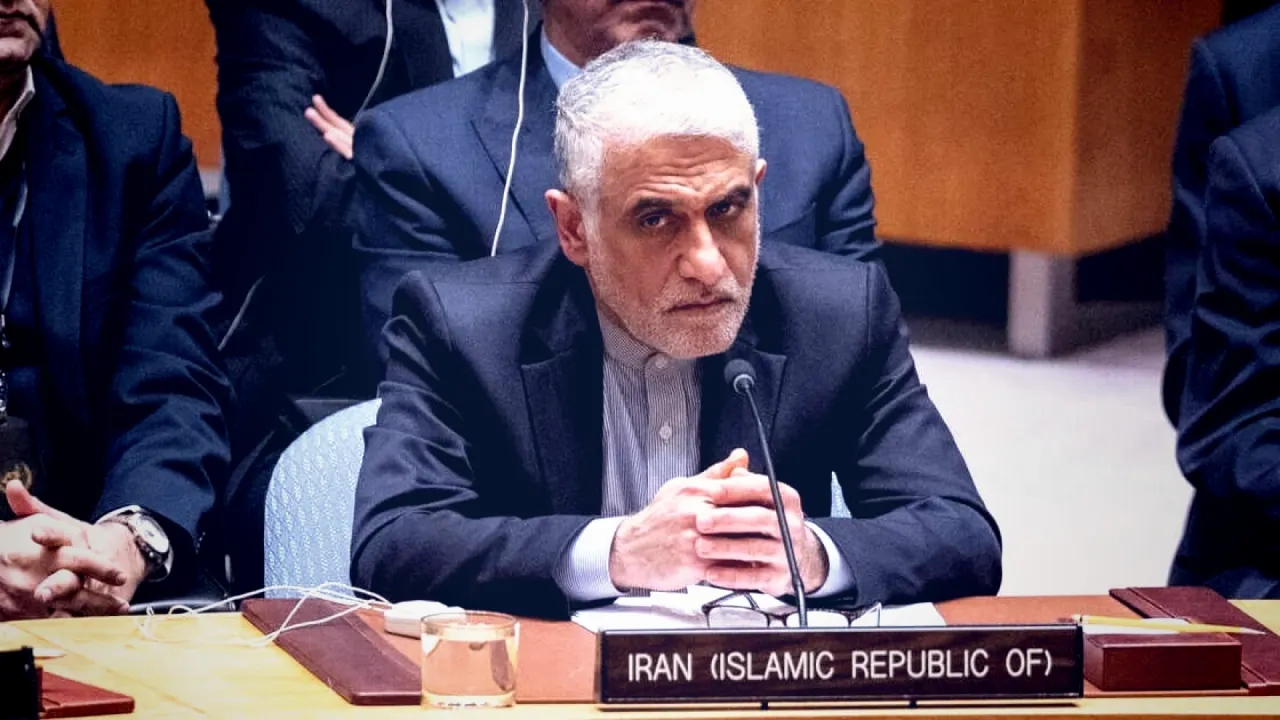
Iran’s Supreme National Security Council has officially endorsed a deal with the United States, highlighting notable internal divisions within the country’s political landscape. This endorsement comes as negotiations continue following the 2026 Iran-U.S. war, which concluded with a fragile ceasefire and a memorandum of understanding.
The decision has intensified tensions among Iranian hardliners who oppose any compromise with Washington, while other factions view the deal as essential for national interests. This internal debate underscores the varying perspectives on how best to protect Iran’s strategic position in the region.
Key Takeaways
- The endorsement signals a potential step towards a final agreement between Iran and the United States, suggesting increased confidence among some market participants.
- Market pricing reflects the belief that Iran's internal political struggles may influence the likelihood of finalizing a nuclear deal.
- The divisions within Iran’s political landscape could significantly affect the progress of ongoing negotiations and the acceptance of any agreement.
What to Watch
- Observers are keenly awaiting official statements from key Iranian figures, such as Ayatollah Ali Khamenei and Foreign Minister Abbas Araghchi, as their positions could greatly influence market expectations.
- Further developments regarding sanctions relief and nuclear commitments are likely to shift market sentiment.
- Upcoming deadlines for a potential agreement, particularly on August 18 and September 30, may clarify the likelihood of a final deal.
Updated 19:31 UTC
New Developments in Iran-US Relations
The Persian Gulf Waterways Management Authority has confirmed that the Strait of Hormuz will remain closed until Iran's conditions are met, highlighting ongoing tensions in the region.
This closure is seen as a strategic move by Iran, leveraging the waterway to demand the cessation of U.S. military pressure, lifting of sanctions, and compensation for war damages.
Recent activity indicates a decline in confidence regarding a potential U.S.-Iran agreement, with the odds for a resolution by the August 15 deadline dropping to 5.1% from 9% within 24 hours.
Additionally, the likelihood of an agreement by August 31 has decreased from 29% to 20.5%.
Key figures, including President Donald Trump and Iran’s Foreign Minister Abbas Araghchi, will play crucial roles in upcoming negotiations, with any joint statements potentially shifting market expectations.
Updated 19:31 UTC
Latest Developments
The Persian Gulf Waterways Management Authority has confirmed that the Strait of Hormuz remains blocked, with no reopening anticipated until Iran's conditions are met. This situation continues the maritime standoff between the U.S. and Iran, with both parties intensifying their demands and military posturing.
The blockage of this strategic chokepoint, vital for global oil shipments, highlights the significant international economic implications of the ongoing conflict. Recent market analysis indicates a sharp decline in the likelihood of a U.S.-Iran agreement regarding the Strait of Hormuz, with current odds at just 5.1% for a resolution by August 15, down from 56% a week prior.
Market sentiment reflects skepticism about a near-term resolution, as the probability for agreement by August 31 has dropped to 20.5%. Stakeholders are urged to monitor upcoming statements from Iranian officials and U.S. leadership, as well as any military or diplomatic developments involving Oman and other Gulf states, which could impact the situation.
FAQ
What is the significance of the Supreme National Security Council's endorsement of the deal with the United States?
The endorsement signifies a potential step towards a final agreement between Iran and the United States, indicating increased confidence among some market participants despite internal political divisions.
What are the main internal divisions within Iran regarding the deal with the U.S.?
The main divisions are between hardliners who oppose any compromise with Washington and other factions that view the deal as essential for protecting Iran's national interests.
How might Iran's internal political struggles affect the negotiations with the U.S.?
Iran's internal political struggles could significantly influence the progress of ongoing negotiations and the acceptance of any agreement, as differing views on the deal may impact decision-making.
What key dates should observers be aware of regarding the potential agreement?
Observers should pay attention to upcoming deadlines for a potential agreement, particularly on August 18 and September 30, which may clarify the likelihood of finalizing the deal.
What statements are being awaited from Iranian leaders, and why are they important?
Observers are awaiting official statements from key figures like Ayatollah Ali Khamenei and Foreign Minister Abbas Araghchi, as their positions could greatly influence market expectations and the overall direction of negotiations.
Comments
Comments are moderated before publish.
No comments yet — be the first.