Nvidia Reports $400M Charge Due to Excess H200 GPU Inventory and Customer Concentration
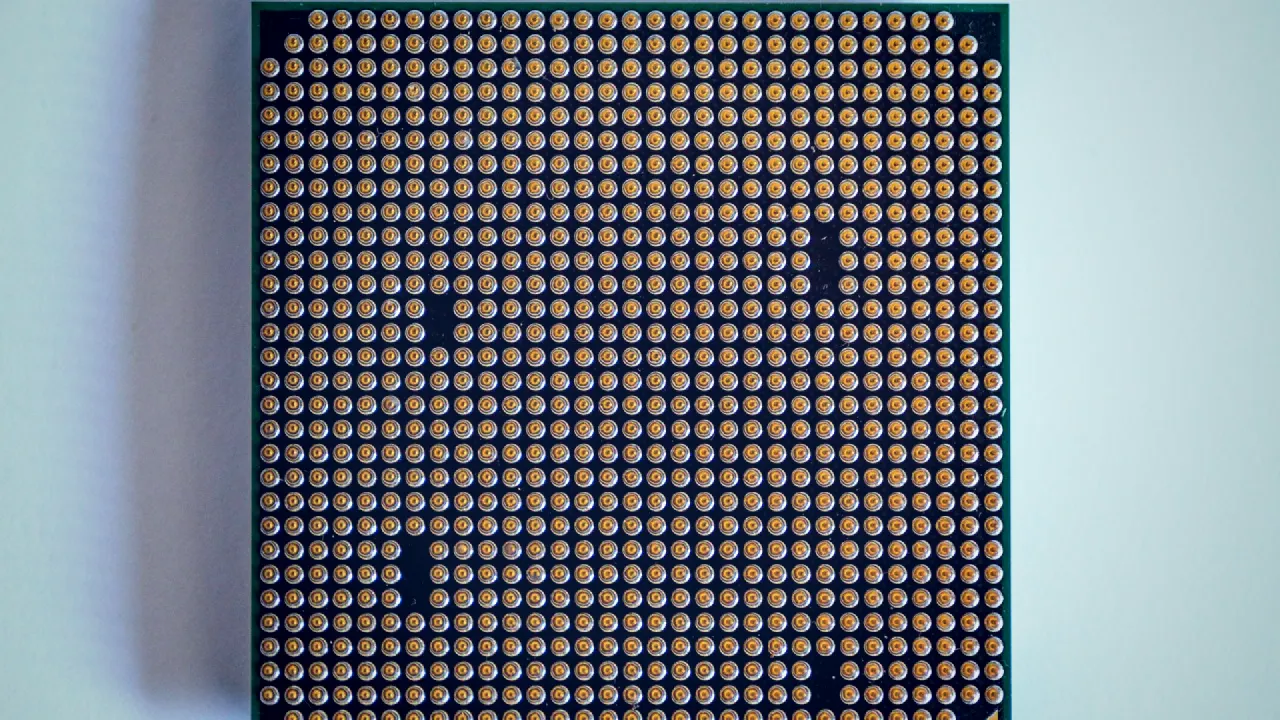
Nvidia has recently announced a remarkable quarterly revenue figure of $96.2 billion for the second quarter of fiscal 2027. However, the report also disclosed a significant $400 million charge attributed to excess inventory of its H200 GPUs, alongside the revelation that one unnamed customer was responsible for 16% of the company’s total quarterly revenue.
The H200 Inventory Challenge
The H200 GPU is a key product designed for large-scale AI training and inference, featuring 141 GB of HBM3e memory. The $400 million provision against excess inventory during the quarter ending July 26, 2026, raises questions about the underlying causes, which could include shifts in demand, production timing issues, or geopolitical factors affecting sales in certain markets.
This charge is notably smaller than the $4.5 billion charge Nvidia faced in the first quarter of fiscal 2026, which was linked to older H20 inventory and U.S. export restrictions on chip sales to China. Limited shipments of H200 GPUs did reach certain Chinese customers, but the quantities were significantly lower than the backlog Nvidia had previously accumulated.
Customer Concentration Concerns
The report indicates that one unnamed customer generated approximately $15.4 billion of Nvidia’s revenue for the quarter, a concerning concentration that could pose risks to the company’s financial stability. While Nvidia typically does not disclose customers that account for over 10% of revenue, potential candidates include major hyperscalers like Microsoft, Meta, Amazon, and Google.
Future Implications
Looking ahead, investors will be keen to monitor whether the H200 inventory situation resolves through sales or necessitates further write-downs. Additionally, the concentration of revenue from a single customer raises questions about the diversification of Nvidia’s client base as more enterprises and sovereign AI initiatives enter the GPU market.
Updated 22:02 UTC
Nvidia's Earnings Guidance Strategy
Nvidia CEO Jensen Huang emphasized that the company has never issued earnings guidance a year in advance, opting instead for a quarter-by-quarter approach. This strategy allows Nvidia to maintain tight forecasts in a rapidly evolving technology sector.
For fiscal year 2027, Nvidia provided specific revenue estimates for each quarter: $78B for Q1, $91B for Q2, and $108B for Q3. Notably, Q2 FY2027 revenue reached $96.22B, surpassing the $91B guidance and more than doubling the previous year's figures.
While Nvidia shares longer-term demand indicators, such as projections of $500B in orders through 2026 and $1 trillion through 2027, these are categorized as backlog estimates rather than revenue forecasts. This distinction helps the company manage expectations and avoid overcommitting based on uncertain factors like supply chain issues and geopolitical conditions.
Huang's approach prioritizes execution over prediction, focusing on what Nvidia expects to achieve in the next 90 days while typically exceeding those expectations. Investors are advised to monitor backlog numbers for directional insights but to base valuations on quarterly guidance and Nvidia's history of outperforming it.
Updated 22:02 UTC
Nvidia Reports Strong Financial Performance
Nvidia reported a remarkable $96.2 billion in revenue for its fiscal second quarter of 2027, marking a 106% increase from the same period last year and an 18% rise from the previous quarter.
The data center segment now accounts for approximately 92% of Nvidia's total revenue, generating $89 billion, which represents a 117% year-over-year increase.
GAAP net income reached $59.7 billion, resulting in diluted earnings per share of $2.46, while non-GAAP EPS of $2.22 exceeded consensus estimates of around $2.10.
Nvidia has now beaten expectations for 15 consecutive quarters.
Looking ahead, Nvidia projected Q3 revenue of $108 billion, surpassing the consensus estimate of approximately $104.2 billion, and anticipates 70% revenue growth for fiscal 2028.
Despite a market capitalization exceeding $5 trillion, Nvidia's stock has only risen about 12-14% year-to-date, with concerns about revenue concentration as data center revenue dominates its earnings.
FAQ
What is the reason for Nvidia's $400 million charge?
The $400 million charge is attributed to excess inventory of Nvidia's H200 GPUs, which may be due to shifts in demand, production timing issues, or geopolitical factors affecting sales.
How does the recent charge compare to previous charges Nvidia has faced?
The $400 million charge is significantly smaller than the $4.5 billion charge Nvidia faced in the first quarter of fiscal 2026, which was linked to older H20 inventory and U.S. export restrictions on chip sales to China.
What percentage of Nvidia's quarterly revenue came from one unnamed customer?
One unnamed customer was responsible for approximately 16% of Nvidia's total quarterly revenue, generating around $15.4 billion.
What are the potential risks associated with customer concentration?
The concentration of revenue from a single customer poses risks to Nvidia's financial stability, as losing that customer or experiencing reduced orders could significantly impact revenue.
What implications does the H200 inventory situation have for Nvidia's future?
Investors will be monitoring whether the H200 inventory situation resolves through sales or requires further write-downs, as well as the need for Nvidia to diversify its client base amid growing competition in the GPU market.
Comments
Comments are moderated before publish.
No comments yet — be the first.