Oil Prices Rise Amid US-Iran Tensions, Impacting Asian Markets and Indian Rupee
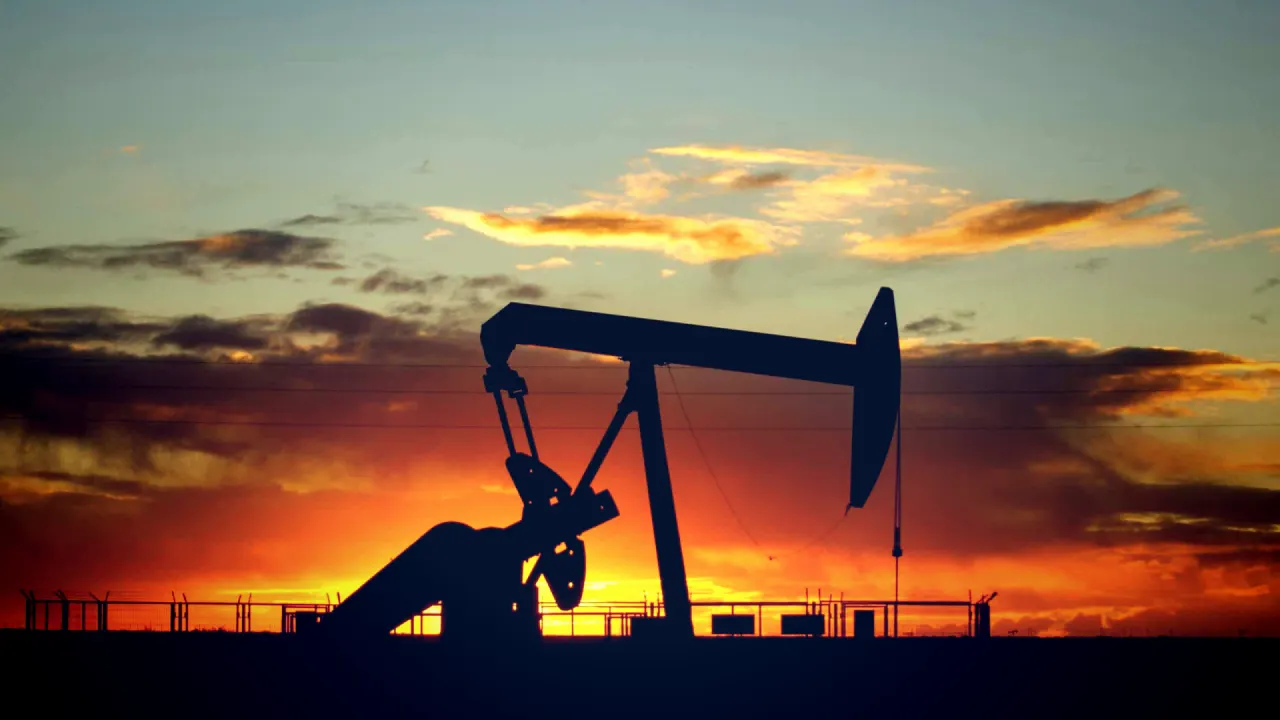
Oil prices have surged as geopolitical tensions between the United States and Iran escalate, significantly impacting Asian stock markets and the Indian rupee. The ongoing situation raises concerns about potential disruptions in oil supply, particularly through the Strait of Hormuz, a vital global oil transit route.
Brent crude is currently trading in the high-$80s to low-$90s, while West Texas Intermediate (WTI) is in the low-to-mid-$80s range. This price movement reflects the market's heightened sensitivity to developments in the region. Asian equities are showing mixed performance, indicating that investors are reacting cautiously to the ongoing geopolitical uncertainty.
Key Takeaways
- The rise in oil prices is linked to increased geopolitical tensions related to the US-Iran standoff, suggesting potential supply risks.
- The Indian rupee has declined as oil prices climb, prompting the Reserve Bank of India to intervene to stabilize the currency.
- Market participants are speculating about the possibility of crude oil reaching new all-time highs due to the current geopolitical climate.
What to Watch
- Investors will closely monitor statements or actions from key geopolitical players, including the US, Iran, and OPEC, that could influence oil prices.
- Developments regarding the US-Iran standoff will be critical in shaping future market movements.
- Any significant announcements from global energy leaders may impact market expectations regarding oil supply dynamics.
Updated 09:31 UTC
New Developments
Iran's foreign ministry spokesperson has stated that the United States lacks a genuine interest in pursuing peace talks, highlighting ongoing tensions related to nuclear issues, sanctions, and regional security in the Gulf.
Despite mediation efforts by Oman and Qatar, Iran has clarified that it is not engaged in direct discussions with the U.S., focusing instead on regional navigation safety.
The likelihood of a diplomatic meeting in the UAE by September 30, 2026, appears to be decreasing, with current market pricing reflecting stagnant or declining odds for such a meeting.
Broader diplomatic markets indicate a consistent 50% probability that no US-Iran meeting will occur by the end of September.
Future developments to watch include any official statements from the U.S. or Iranian governments and updates on mediation efforts from Oman and Qatar, as changes in pricing could signal shifts in the likelihood of a diplomatic meeting.
Updated 09:31 UTC
New Facts on Oil Prices and US-Iran Tensions
- The ongoing standoff between the United States and Iran is contributing to rising oil prices and a decline in stock values.
- Current market odds suggest a 12.5% probability of crude oil reaching a new all-time high by December 31.
- Geopolitical developments are expected to cause further volatility in oil prices, impacting related financial markets.
- Key energy market influencers such as OPEC and the International Energy Agency are being closely monitored for their responses to the tensions.
- Upcoming decision points on September 30 and December 31 will be crucial for market expectations regarding crude oil price movements.
Updated 10:32 UTC
New Developments in Oil Prices and European Markets
- As of August 4, 2026, the pan-European STOXX 600 index reached a record high of 656.86, marking a 0.7% increase for the session.
- The index had previously closed at 652.09 points, reflecting a 0.5% rise the day before.
- Year-to-date, the STOXX 600 benchmark has increased by approximately 10-11%.
- The Iran conflict, which intensified in late February 2026, caused Brent crude oil prices to exceed $90 per barrel, leading to significant drops in European indices during March.
- By May 2026, the EU economy commissioner referred to a "stagflationary shock" due to the economic impact of the Iran war.
- Despite earlier concerns, strong corporate earnings reports have contributed to the recent rally in European equities.
- Travel and leisure sectors are expected to benefit from ongoing market normalization, while energy companies may face challenges due to lower oil prices affecting profit margins.
Updated 11:00 UTC
Recent Developments
Treasury yields and the U.S. dollar index have risen as oil prices climb due to concerns about stalled negotiations between the U.S. and Iran regarding the Strait of Hormuz.
The 10-year Treasury yield has reached 4.727%, while the DXY has increased by 0.1% to 99.851.
Market participants are increasingly considering a potential rate hike by the Federal Reserve in September, influenced by rising oil prices and their impact on inflation expectations.
The upcoming U.S. inflation report is anticipated to play a crucial role in shaping the Fed’s policy decisions.
What to Watch
- The U.S. inflation report scheduled for release on Wednesday.
- Developments in the U.S.-Iran negotiations over the Strait of Hormuz.
- New commentary from Federal Reserve officials regarding the likelihood of a September rate hike.
Updated 11:32 UTC
Latest Developments
Iran has resumed attacks on vessels in the Strait of Hormuz, leading the United States to reinstate a blockade of Iranian ports. This escalation is part of the ongoing 2026 Iran war, which is affecting global shipping routes.
The likelihood of the U.S. lifting the blockade by the end of August 2026 has decreased to 33.5%, down from 40% just a day prior. Short-term market data indicates a mere 15% chance for a blockade lift by August 15, 2026.
Key decisions from U.S. leadership and any statements from Iranian officials will be closely monitored as they may significantly influence market perceptions and geopolitical dynamics.
FAQ
Why are oil prices rising?
Oil prices are rising due to escalating geopolitical tensions between the United States and Iran, which raises concerns about potential disruptions in oil supply, particularly through the Strait of Hormuz.
How are Asian markets reacting to the rise in oil prices?
Asian markets are showing mixed performance as investors react cautiously to the ongoing geopolitical uncertainty surrounding the US-Iran situation.
What impact is the rise in oil prices having on the Indian rupee?
The Indian rupee has declined as oil prices climb, prompting the Reserve Bank of India to intervene in an effort to stabilize the currency.
What should investors watch for regarding oil prices?
Investors should monitor statements or actions from key geopolitical players, including the US, Iran, and OPEC, as well as developments in the US-Iran standoff that could influence oil prices.
Is there speculation about oil prices reaching new highs?
Yes, market participants are speculating about the possibility of crude oil reaching new all-time highs due to the current geopolitical climate and associated supply risks.
Comments
Comments are moderated before publish.
No comments yet — be the first.