Projektile treffen Schiff in der Straße von Hormuz amid steigenden maritimen Spannungen
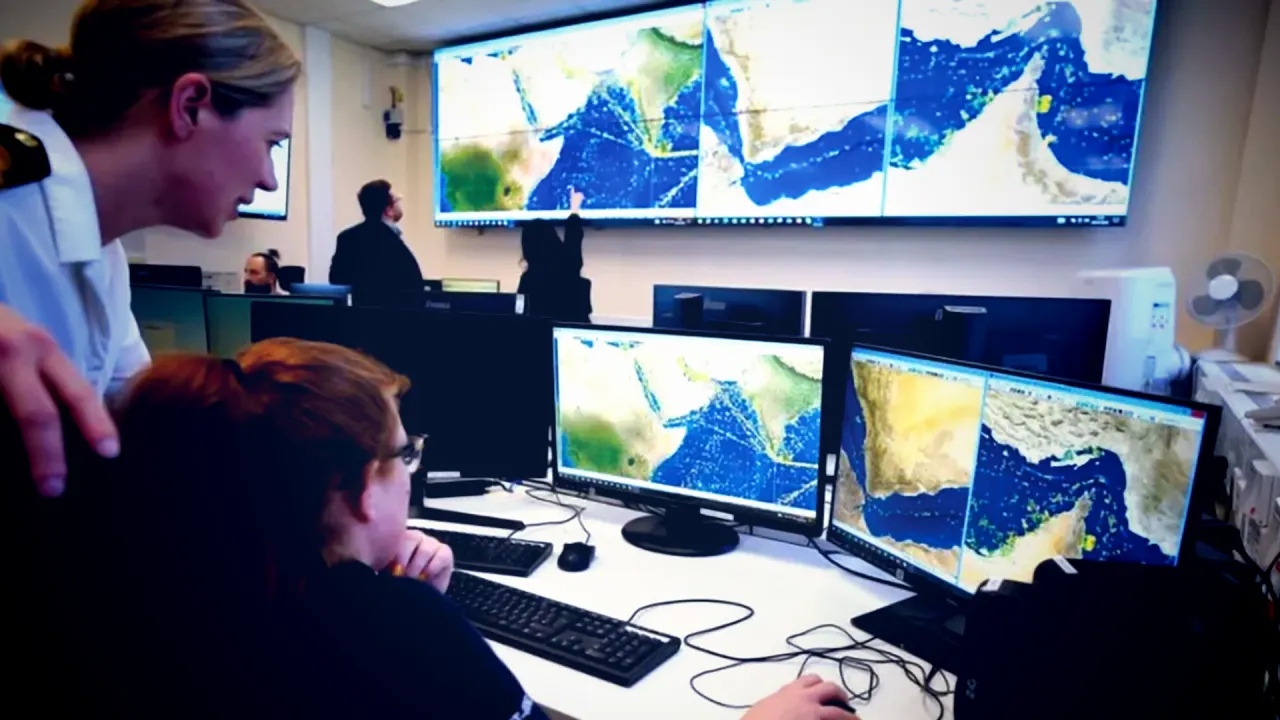
Ein Schiff, das durch die Straße von Hormuz navigierte, wurde von einem unbekannten Projektil getroffen, wie die United Kingdom Maritime Trade Operations (UKMTO) berichteten. Glücklicherweise sind alle Besatzungsmitglieder unversehrt, obwohl das Ausmaß der Schäden und mögliche Umweltauswirkungen noch untersucht werden.
Dieser Vorfall ereignet sich in einer hochgradig angespannten maritimen Zone und spiegelt eine breitere Krise wider, die verschiedene internationale Akteure, einschließlich der Houthi-Rebellen im Jemen und regionaler Mächte, umfasst. Der Angriff stellt eine erhebliche Eskalation der maritimen Bedrohungen dar, da er kinetische Gewalt gegen ein ziviles Schiff beinhaltet, anstatt nur Drohungen oder Belästigungen.
Die Situation hat die Bedenken hinsichtlich der maritimen Sicherheit verstärkt, insbesondere in strategischen Engpässen wie der Straße von Hormuz, die für die globalen Ölversorgung von entscheidender Bedeutung ist. Die Marktpreise zeigen ein erhöhtes Risikoempfinden, wobei die Wahrscheinlichkeit, dass der normale kommerzielle Verkehr bis zum 30. September zurückkehrt, auf 13,5 % gesunken ist.
Wichtige Erkenntnisse
- Der Projektilangriff bedeutet eine ernsthafte Eskalation der maritimen Bedrohungen.
- Das Vertrauen der Märkte in die Rückkehr zu normalen Verkehrslevels hat erheblich abgenommen.
- Die laufenden diplomatischen und militärischen Reaktionen der wichtigsten regionalen Akteure werden entscheidend zu beobachten sein.
Worauf man achten sollte
- Aussagen von iranischen und US-amerikanischen Beamten könnten die Marktperzeption beeinflussen.
- Zukünftige Bedrohungsbewertungen von UKMTO werden wesentliche Indikatoren für die Situation sein.
- Neue Angriffe oder Bedrohungen könnten die Chancen auf eine Normalisierung des Verkehrs in der Straße von Hormuz weiter verringern.
Aktualisiert 08:30 UTC
Neue Entwicklungen
Am 10. Juni 2026 kündigte der iranische Parlamentspräsident Mohammad Bagher Ghalibaf die Aussetzung der Verhandlungen mit den Vereinigten Staaten an und drohte mit militärischen Maßnahmen gegen Israel als Reaktion auf israelische Luftangriffe auf Hezbollah-Stellungen im Vorort Dahiyeh von Beirut.
Der unmittelbare Auslöser für diese Eskalation waren eine Reihe von israelischen Luftangriffen am 7. und 8. Juni 2026, die sich gegen Hezbollah in Dahiyeh richteten und von Iran als direkte Provokation angesehen wurden.
Bis Mitte August 2026 sind die Transvolumen durch die Straße von Hormuz auf wöchentliche Tiefststände gefallen, was erhebliche Auswirkungen auf die globalen Energiemärkte hat, wobei die Ölpreise in Zeiten erhöhter Spannungen stark angestiegen sind.
Die anhaltende Pattsituation über die Straße von Hormuz ist eng mit den US-Iran-Verhandlungen verknüpft, wobei US-Präsident Trump von Iran Schadensersatz für Schäden fordert, während Iran die Wiedereröffnung des Transits an Kriegsentschädigungen von den USA und Israel knüpft.
Aktualisiert 12:01 UTC
Neue Entwicklungen
Die Vereinigten Arabischen Emirate (VAE) haben den Iran beschuldigt, ein ADNOC-Schiff in der Straße von Hormuz zum dritten Mal innerhalb einer Woche angegriffen zu haben, was eine bedeutende Eskalation der regionalen Spannungen darstellt.
Dieser Vorfall ist Teil eines umfassenderen Konflikts, der den Iran, die VAE und indirekt die USA und Israel betrifft, und hebt die kritische Bedeutung der Straße von Hormuz als maritimen Engpass hervor.
Der Iran hat erklärt, dass die Straße geschlossen bleibt, es sei denn, seine Bedingungen werden erfüllt, was die diplomatischen Bemühungen in der Region kompliziert.
Die Marktimplikationen umfassen einen Rückgang der Preise für "US erhebt Hormuz-Gebühren bis zum 31. August 2026", was auf eine mögliche US-Gegnerschaft zu den Aktionen des Iran hinweist.
Beobachtern wird geraten, offizielle Erklärungen von US-Beamten zu verfolgen, da jede Änderung der Politik die Marktstimmung und die geopolitische Stabilität erheblich beeinflussen könnte.
Aktualisiert 13:00 UTC
Neue Entwicklungen in den maritimen Spannungen
- Die Entsendung eines US-Flugzeugträgers hat die Bedenken hinsichtlich eines möglichen Konflikts mit dem Iran verstärkt.
- Die aktuellen Marktpreise zeigen einen Rückgang der Wahrscheinlichkeit, dass der Iran bis Ende August einen vollständigen Luftraumschluss verhängt, von 8 % auf 6,5 %.
- Die laufenden diplomatischen Bemühungen über Oman und Katar gehen weiter, trotz des Mangels an Lösungen inmitten aktiver militärischer Auseinandersetzungen.
- Marktteilnehmer beobachten die Situation genau auf neue militärische Entwicklungen oder diplomatische Durchbrüche, die die Wahrnehmungen beeinflussen könnten.
- Wichtige Indikatoren, die zu beobachten sind, umfassen Erklärungen der Zivilluftfahrtorganisation des Iran und Maßnahmen von wichtigen politischen Persönlichkeiten, einschließlich des US-Präsidenten.
Aktualisiert 13:30 UTC
Neue Entwicklungen in der Situation im Persischen Golf
- Der Iran hat erklärt, dass die Straße von Hormuz blockiert bleiben wird, bis die Vereinigten Staaten ihren Forderungen nachkommen, was die Spannungen zwischen den beiden Nationen verschärft.
- Am vergangenen Freitag überquerten nur zwei Schiffe die Straße, ohne dass Rohöl-Lieferungen gemeldet wurden, was die Auswirkungen der Blockade auf den globalen Ölhandel verdeutlicht.
- Der US-Präsident Donald Trump hat erklärt, dass die steigenden Benzinpreise, die im Vergleich zum Vorjahr um 29% gestiegen sind, eine notwendige Folge der US-Position gegenüber dem Iran sind.
- Marktprognosen deuten auf eine geringere Wahrscheinlichkeit hin, dass die USA die iranische Blockade bis zum 31. August 2026 beenden werden, angesichts des anhaltenden diplomatischen Stillstands.
- Beobachter verfolgen die US-Iran-Verhandlungen genau, da mögliche Durchbrüche oder Eskalationen die Markterwartungen erheblich beeinflussen könnten.
Aktualisiert 14:01 UTC
Neue Entwicklungen in der Situation im Persischen Golf
- Die Kontrolle Irans über die Straße von Hormuz stört Berichten zufolge die strategischen Berechnungen der USA, so Beamte, die von iranischen Medien zitiert werden.
- Die Straße von Hormuz ist ein kritischer Engpass für globale Öllieferungen, und ihr umstrittener Status bleibt ein bedeutender Faktor in den Verhandlungen zwischen den USA und Iran.
- Die aktuellen Marktpreise deuten auf eine Verringerung der Wahrscheinlichkeit eines US-Iran-Abkommens bis zur Frist am 31. August hin.
- Beobachter verfolgen diplomatische Erklärungen und militärische Bewegungen in der Region auf Hinweise auf mögliche Vereinbarungen.
- Formelle Ankündigungen zur Verwaltung der Straße oder zu Deeskalationsmaßnahmen könnten verbesserte Aussichten auf eine Lösung signalisieren.
Aktualisiert 14:31 UTC
Neue Entwicklungen im Hormus-Straße
- Der Iran hat einen Versandkartenvertrag mit Oman bestätigt, der darauf abzielt, die Schifffahrtsrouten in der Hormus-Straße zu verwalten.
- Die Wiedereröffnung der Straße hängt von der Behebung angeblicher US-Verstöße ab, was darauf hindeutet, dass sie zu diesem Zeitpunkt nicht vollständig wiedereröffnet wird.
- Die aktuellen Marktchancen für ein US-Iran-Abkommen zur Wiederherstellung des normalen Verkehrs bis zum 31. August sind gering, mit nur einer Wahrscheinlichkeit von 10,5 %.
- Der Versandkartenvertrag deutet auf einen begrenzten Deeskalationsversuch inmitten anhaltender Spannungen zwischen dem Iran und den USA hin.
- Beobachtern wird geraten, die Aussagen von Schlüsselpersonen, einschließlich des iranischen Außenministers und des US-Präsidenten, auf Anzeichen von Fortschritten zu überwachen.
- Marktteilnehmer beobachten aufmerksam Anzeichen von Deeskalation oder weiteren Spannungen in der Region.
Aktualisiert 15:01 UTC
Neue Entwicklungen in den maritimen Spannungen
Iran hat berichtet, dass drei seiner Piloten von Katar während eines frühen Vorfalls im laufenden Konflikt zwischen Iran, den Vereinigten Staaten, Israel und Katar gefangen genommen wurden. Die Piloten wurden nach dem Abschuss ihrer Su-24-Kampfflugzeuge, die das von den USA betriebene Al Udeid-Luftwaffenstützpunkt in Katar anvisierten, gefangen genommen.
Dieser Vorfall stellt eine bedeutende Eskalation der militärischen Auseinandersetzungen zwischen Iran und katarischen Streitkräften dar. Iran hat das Eingreifen des Internationalen Komitees vom Roten Kreuz gefordert, was auf einen Wandel hinweist, humanitäre Anliegen angesichts der steigenden militärischen Spannungen anzugehen.
In den Prognosemärkten hat die Wahrscheinlichkeit, dass Iran seinen Luftraum schließt, geschwankt. Derzeit liegt die Wahrscheinlichkeit für eine vollständige Luftraumschließung bis zum 31. August bei 6,5 %, nach 8 % am Vortag. Allerdings steigt die Wahrscheinlichkeit auf 32 % für eine Schließung bis zum 31. Dezember, was darauf hindeutet, dass die Marktteilnehmer potenzielle Entwicklungen im Konflikt erwarten.
Zukünftige Mitteilungen der Zivilluftfahrtorganisation Irans und des iranischen Staatsfernsehens bezüglich des Luftraumstatus werden entscheidend sein. Jede offizielle NOTAM, die eine Schließung erklärt, oder Pressemitteilungen, die militärische Bedrohungen ansprechen, werden genau beobachtet, ebenso wie Katars Reaktion auf Irans Anfrage nach Intervention des Roten Kreuzes.
FAQ
Was ist im Persischen Golf passiert?
Ein Schiff, das durch die Straße von Hormuz navigierte, wurde von einem unbekannten Projektil getroffen, was zu Bedenken hinsichtlich der maritimen Sicherheit in der Region führte.
Gab es bei dem Vorfall Verletzte?
Glücklicherweise wird berichtet, dass alle Besatzungsmitglieder des Schiffes unverletzt sind.
Welche Auswirkungen hat dieser Vorfall auf die maritime Sicherheit?
Der Angriff stellt eine erhebliche Eskalation der maritimen Bedrohungen dar und weckt Bedenken hinsichtlich der Sicherheit von Handelsschiffen in strategischen Engpässen wie der Straße von Hormuz.
Wie hat der Markt auf diesen Vorfall reagiert?
Die Marktpreise zeigen ein erhöhtes Risikoempfinden, wobei die Wahrscheinlichkeit, dass der normale Handelsverkehr bis zum 30. September zurückkehrt, auf 13,5 % gesunken ist.
Was sollten wir nach diesem Vorfall beobachten?
Wichtige Bereiche, die zu beobachten sind, umfassen Erklärungen von iranischen und US-Beamten, zukünftige Bedrohungsbewertungen von UKMTO und mögliche neue Angriffe oder Bedrohungen, die die Normalisierung des Verkehrs beeinträchtigen könnten.
Kommentare
Kommentare werden vor der Veröffentlichung geprüft.
Noch keine Kommentare — schreiben Sie den ersten.