Putin Intensifies Strikes on Ukraine Following CIA Director's Moscow Visit
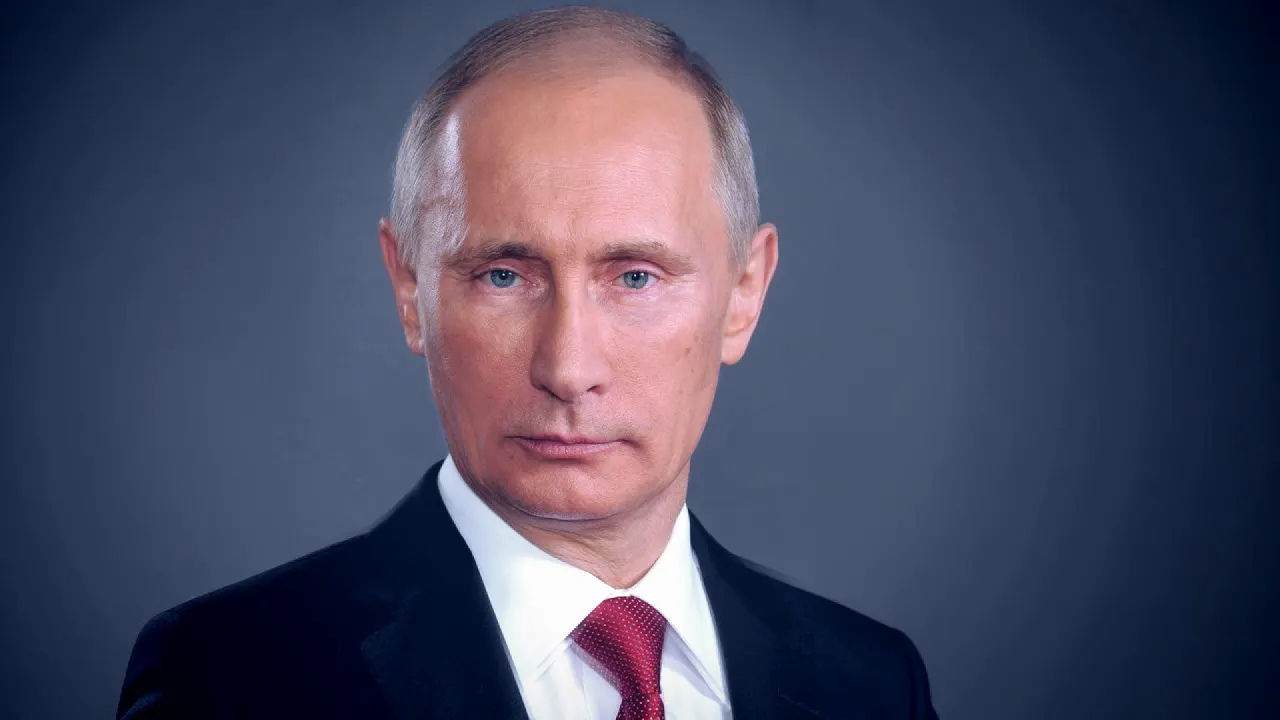
Following a visit from CIA Director John Ratcliffe to Moscow, President Vladimir Putin has intensified air strikes on Ukraine, particularly targeting Kyiv and other key locations. This escalation occurs amid ongoing tensions between Russia and the United States regarding Ukraine and NATO security.
Ratcliffe's unannounced visit, which lasted eight hours, was characterized as an intelligence mission aimed at warning Russia against further military provocations. However, the subsequent increase in Russian military activity suggests that the visit may have hardened the Kremlin's stance rather than softened it.
The CIA director's agenda reportedly included three main points: cautioning Moscow against military actions towards NATO allies, urging a reduction in Russian support for Iran, and providing a candid assessment of Russia's military situation in Ukraine. Despite these discussions, the absence of a meeting with Putin himself indicates a preference for intelligence-level dialogue over political engagement.
As the conflict continues into its fifth year since the full-scale invasion began in February 2022, Russia's economic situation has worsened due to Western sanctions, complicating its military efforts. Observers are closely monitoring the situation for any potential diplomatic engagements or statements from U.S. and Russian leaders, which could influence the prospects for a ceasefire.
Updated 14:03 UTC
New Developments in Ukraine Conflict
Ukraine’s Foreign Minister has stated that the recent drone strike on the Ukrainian Security Service (SBU) headquarters in Kyiv marks a significant escalation in the ongoing conflict with Russia. This incident represents a shift in targeting strategies, moving from military positions to critical government infrastructure.
The attack is expected to provoke strong responses and may heighten international diplomatic and military tensions, increasing the risk of broader conflict engagement.
Key points to consider include:
- The targeting of key government infrastructure indicates a new phase in the conflict.
- There are rising concerns about a potential NATO-Russia military clash due to the escalated stakes.
- Market reactions suggest that increased military and diplomatic responses are likely, which could affect NATO's involvement.
Observers are advised to monitor NATO's response to this escalation and any changes in military posture from both Russia and Ukraine. Actions from NATO leaders could significantly influence market perceptions and the dynamics of the conflict.
FAQ
What prompted the recent increase in Russian air strikes on Ukraine?
The increase in Russian air strikes on Ukraine was prompted by a visit from CIA Director John Ratcliffe to Moscow, which was perceived as a warning to Russia against further military provocations.
What were the main points of discussion during the CIA Director's visit to Moscow?
The main points of discussion included cautioning Moscow against military actions towards NATO allies, urging a reduction in Russian support for Iran, and providing an assessment of Russia's military situation in Ukraine.
Why did the CIA Director not meet with President Putin during his visit?
The CIA Director did not meet with President Putin, indicating a preference for intelligence-level dialogue rather than direct political engagement.
How has the conflict in Ukraine evolved since the full-scale invasion began?
The conflict has continued into its fifth year since the full-scale invasion began in February 2022, with ongoing military actions and worsening economic conditions for Russia due to Western sanctions.
What are observers looking for in the current situation between the U.S. and Russia?
Observers are closely monitoring the situation for any potential diplomatic engagements or statements from U.S. and Russian leaders that could influence the prospects for a ceasefire.
Comments
Comments are moderated before publish.
No comments yet — be the first.