Turkey Urges Reopening of Strait of Hormuz Amid Ongoing Oil Supply Concerns
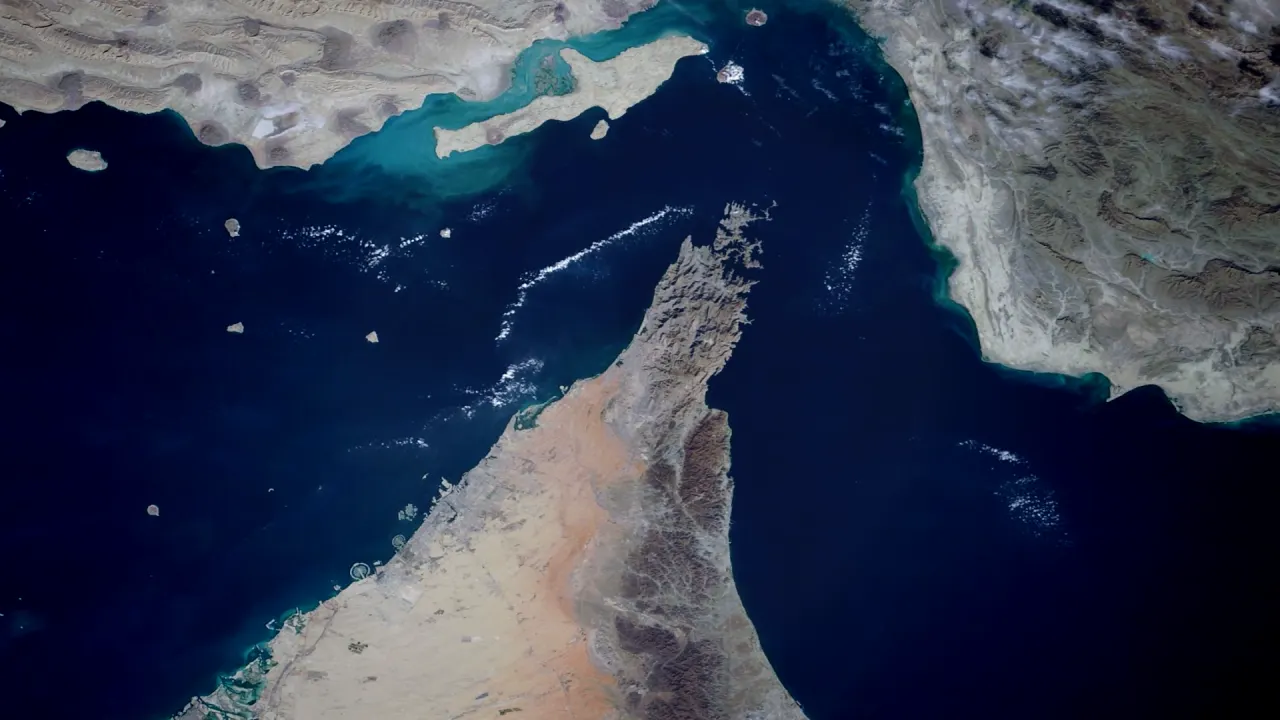
Turkish President Recep Tayyip Erdogan has called for the reopening of the Strait of Hormuz, a crucial chokepoint for global oil and gas shipments, which has been closed to commercial shipping since late February 2026. In an interview with Al Jazeera on August 15, Erdogan described the ongoing blockage as a significant threat to global stability, extending beyond regional disputes.
The Strait of Hormuz is vital for international trade, handling approximately 20-25% of the world's seaborne oil and about 20% of global liquefied natural gas shipments. The closure began on February 28, 2026, following military strikes by the US and Israel against Iranian targets, which prompted Iran to restrict commercial shipping.
Iran's conditions for reopening the strait include compensation for war-related damages, complicating diplomatic efforts and leaving many tankers either anchored or rerouted. Turkey has positioned itself as a mediator, offering assistance with demining efforts in July 2026 and now working with Qatar to facilitate negotiations.
In addition to diplomatic efforts, Turkey and Iraq signed a one-year agreement in early August 2026 to restore the Kirkuk-Ceyhan pipeline, which could help mitigate some supply losses from the Hormuz closure. This pipeline has a capacity of 750,000 barrels per day and provides a direct route to European buyers, potentially easing reliance on Gulf shipments.
However, the core dispute remains unresolved, with Iran's demand for compensation creating a negotiating impasse. The involvement of Qatar adds a Gulf perspective, but the willingness of Iran to compromise remains uncertain.
Updated 02:30 UTC
Latest Developments
- Asian stocks are currently experiencing a sideways trend as oil prices continue to rise, raising concerns about the sustainability of recent equity market gains.
- The MSCI Asia-Pacific index excluding Japan remained flat, while Australia's resource-heavy shares fell by 0.3%.
- Brent crude oil prices have held steady at around $89 per barrel after a 6% increase last week, while US crude has decreased by 0.3% to $82.12.
- Market analysts predict that oil prices may remain within a $70-$100 range due to ongoing tensions in the region and reduced oil flow from the Middle East.
- Peace talks and tanker traffic through the Strait of Hormuz are currently stalled, contributing to the uncertainty in oil supply and pricing.
Updated 03:30 UTC
New Developments in the Strait of Hormuz
Shipping through the Strait of Hormuz has drastically declined following recent attacks on tankers, with only five vessels transiting on Saturday, compared to 31 the previous weekend. This near-standstill in maritime traffic highlights the escalating tensions in the region amid an ongoing conflict involving the U.S., Iran, and Israel.
The Strait of Hormuz, a key global energy chokepoint, has become a focal point of the conflict, with attacks on commercial shipping marking a significant escalation.
Market pricing indicates a 25% decrease in the probability of shipping traffic normalization by September 30. The ongoing maritime standoff and recent attacks suggest that conditions remain unstable.
Markets are closely monitoring any diplomatic efforts or statements from key actors such as the U.S. and Iranian governments that might indicate a de-escalation. A verified ceasefire or security guarantees for commercial shipping could support a scenario where traffic normalizes by September 30. Conversely, further attacks or threats to maritime control in the Strait of Hormuz would likely reinforce the current low probability of normalization.
Updated 04:32 UTC
New Developments
- Iran has publicly rejected threats from U.S. President Donald Trump, affirming its stance to maintain the blockade in the Strait of Hormuz.
- The blockade has severely restricted maritime traffic through this vital corridor, escalating the conflict that also involves Israel.
- Market pricing indicates a decreased likelihood that the U.S. will announce the end of the Iranian blockade by August 31, 2026, with current odds at 13.5%, down from 20% a day earlier.
- The probability of normalized traffic through the Strait of Hormuz by the end of August is currently at 1.1%.
- Observers should monitor statements from key figures such as President Trump or Iranian Supreme Leader Ali Khamenei, which could shift market expectations.
FAQ
Why is the Strait of Hormuz significant for global oil supply?
The Strait of Hormuz is a crucial chokepoint for global oil and gas shipments, handling approximately 20-25% of the world's seaborne oil and about 20% of global liquefied natural gas shipments.
What led to the closure of the Strait of Hormuz?
The closure began on February 28, 2026, following military strikes by the US and Israel against Iranian targets, which prompted Iran to restrict commercial shipping in the strait.
What are Iran's conditions for reopening the Strait of Hormuz?
Iran's conditions for reopening the strait include compensation for war-related damages, which has complicated diplomatic efforts and created a negotiating impasse.
What role is Turkey playing in the situation regarding the Strait of Hormuz?
Turkey has positioned itself as a mediator, offering assistance with demining efforts and working with Qatar to facilitate negotiations for the reopening of the strait.
How might the Kirkuk-Ceyhan pipeline impact oil supply amid the closure?
The Kirkuk-Ceyhan pipeline, which has a capacity of 750,000 barrels per day, provides a direct route to European buyers and could help mitigate some supply losses from the closure of the Strait of Hormuz.
Comments
Comments are moderated before publish.
No comments yet — be the first.