US Defense Secretary Confirms Indefinite Naval Blockade on Iran
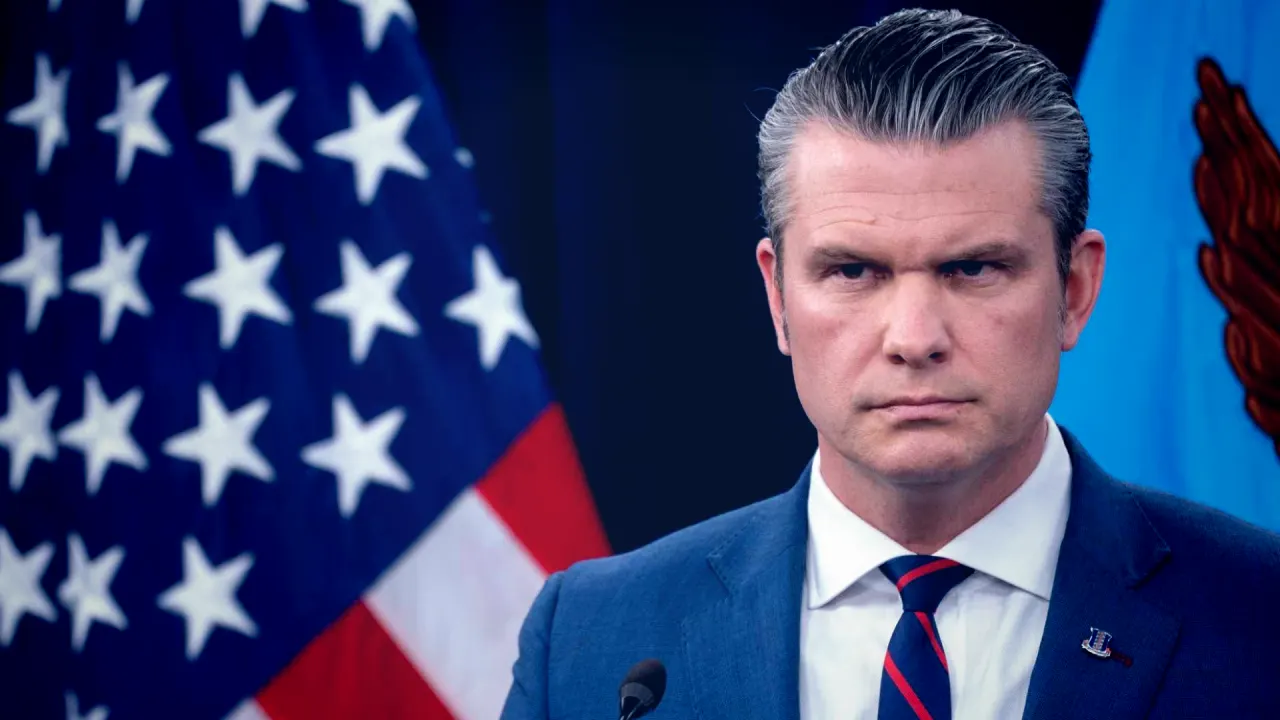
U.S. Secretary of Defense Pete Hegseth has reiterated the United States’ capability to sustain a blockade against Iran indefinitely. This statement comes amid ongoing tensions over maritime access through the Strait of Hormuz, a critical area for global oil shipments.
The blockade, reimposed on July 14, 2026, specifically targets Iranian ports while allowing neutral passage through the Strait. Hegseth’s comments suggest a continued commitment to the blockade, which may prolong current maritime restrictions.
Key Takeaways
- Hegseth’s statement reinforces the U.S. commitment to maintaining the blockade, decreasing the likelihood of its end by August 31, 2026, with market pricing now at 31.5% for a potential announcement.
- The odds of traffic normalization in the Strait of Hormuz by the end of August have also diminished, currently at 2.5%.
What to Watch
- Monitor statements from key figures such as President Donald Trump or Admiral Brad Cooper that might indicate a shift in U.S. policy.
- Developments in negotiations between the U.S. and Iran, or unexpected geopolitical changes, could influence the blockade’s duration.
- Significant changes in maritime traffic through the Strait of Hormuz or official announcements about the blockade could lead to notable market movements.
Updated 16:02 UTC
New Developments in the US-Iran Conflict
- The US Air Force has lost between 24 and 30 MQ-9 Reaper drones since the conflict with Iran began, reducing its operational fleet to approximately 135 aircraft.
- This loss represents over 25% of the Reaper fleet in just five months of fighting, primarily due to Iranian air defenses.
- The military campaign, named Operation Epic Fury, was launched on February 28, 2026, targeting Iran and its allied forces.
- Each MQ-9 Reaper drone costs between $16 million and $30 million, leading to potential losses of nearly $400 million to $900 million in destroyed hardware.
- The Reaper, which has been a key asset for over a decade, is facing unprecedented attrition rates in this conflict compared to previous engagements.
- The Air Force is exploring new technologies like Collaborative Combat Aircraft to develop more expendable unmanned platforms, but these programs are still in development and won't be available for years.
Updated 18:31 UTC
New Developments
Adm. Brad Cooper, the U.S. CENTCOM commander, has urged for renewed military actions against Iran’s infrastructure during his recent visit to Israel. This comes amid a fragile de-escalation phase in the ongoing Iran war, which began in 2026, where the U.S. and Israel have previously engaged in strikes against Iran.
This call for renewed attacks indicates a potential shift in strategic posture, raising concerns about elevated military tensions and complicating ongoing negotiations for a ceasefire or broader agreement.
Current prediction markets reflect a decreased likelihood of a successful US-Iran deal, with YES outcomes priced at 25% or lower across various scenarios. Observers are advised to monitor official statements from the U.S. and Israeli governments regarding military actions and any shifts in negotiation dynamics.
FAQ
What is the current status of the U.S. naval blockade on Iran?
The U.S. naval blockade on Iran, reimposed on July 14, 2026, is currently indefinite and specifically targets Iranian ports while allowing neutral passage through the Strait of Hormuz.
What did U.S. Secretary of Defense Pete Hegseth say about the blockade?
Secretary of Defense Pete Hegseth confirmed the United States' capability to sustain the blockade against Iran indefinitely, indicating a strong commitment to maintaining it.
How might the blockade affect maritime traffic through the Strait of Hormuz?
The blockade has decreased the likelihood of traffic normalization in the Strait of Hormuz, with current odds at only 2.5% for normalization by the end of August 2026.
What should be monitored regarding U.S. policy on the blockade?
Key statements from figures like President Donald Trump or Admiral Brad Cooper, as well as developments in negotiations between the U.S. and Iran, should be monitored for potential shifts in U.S. policy.
What could lead to changes in the blockade's duration?
Significant changes in maritime traffic through the Strait of Hormuz or official announcements regarding the blockade could influence its duration and lead to notable market movements.
Comments
Comments are moderated before publish.
No comments yet — be the first.