US Energy Secretary Confirms SPR to Exceed 300 Million Barrels Post-Iran Conflict
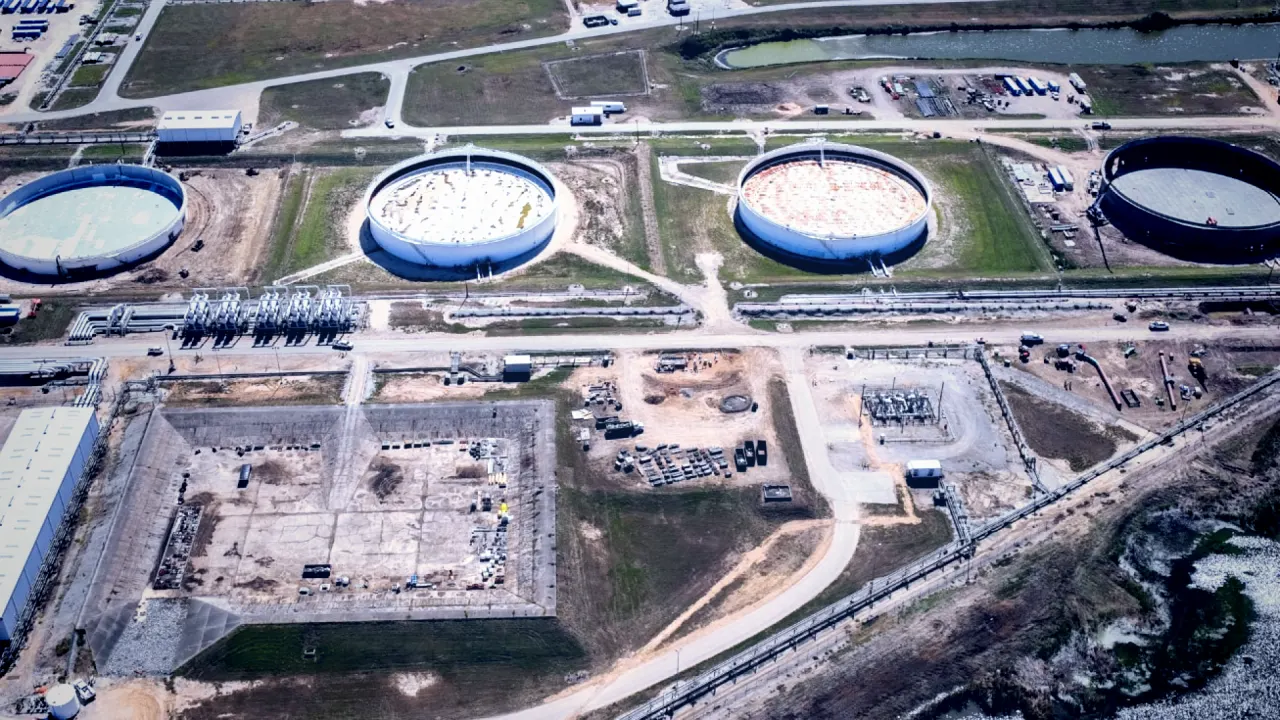
US Energy Secretary Chris Wright has confirmed that the Strategic Petroleum Reserve (SPR) currently holds approximately 300 million barrels, a decrease from around 400 million barrels due to disruptions caused by the US-Israeli conflict with Iran. Wright stated that the reserve is expected to grow beyond 300 million barrels once the conflict ends, thanks to a repayment structure that does not require additional taxpayer funding.
Since the escalation of the Iran conflict in late February 2026, the US government has released 172 million barrels from the SPR to mitigate supply disruptions. The reserve's inventories dropped from roughly 349 million barrels in June 2026 to between 298 and 305 million barrels by August 2026. The SPR has a total capacity of around 714 million barrels, meaning the current stockpile represents less than 42% of its potential capacity.
Wright emphasized that the drawdown is a necessary response to real supply disruptions, particularly affecting the Strait of Hormuz, a vital passage for global oil transport. The replenishment plan for the SPR involves exchange agreements with commercial oil companies, allowing them to borrow oil during tight supply periods and return 1.25 barrels for every barrel taken. This arrangement is expected to add approximately 40 million barrels back to the reserve, potentially pushing the total above 340 million barrels.
At current US oil consumption rates of about 20 million barrels per day, 300 million barrels would cover roughly 15 days of national demand. The International Energy Agency recommends that member countries maintain at least 90 days of net import coverage, highlighting the importance of the SPR's levels amid ongoing geopolitical tensions.
Updated 21:32 UTC
New Developments in East Africa Fuel Supply
Vitol Group has increased its control over East Africa’s fuel supplies amid the ongoing Iran crisis, as reported by Bloomberg. The conflict has disrupted shipments through the Strait of Hormuz, leading several African countries to seek alternative fuel sources.
The International Energy Agency (IEA) has warned of significant risks to oil products bound for Africa, predicting a potential shortfall of 1.8 million barrels per day this quarter. This situation has tightened the regional refined-fuel market and heightened pricing pressure on import-dependent East African economies.
Market dynamics suggest that the ongoing Iran crisis could lead to increased oil prices globally, influencing market odds. Observers are monitoring key energy figures for any policy shifts that may arise from these developments.
Updated 21:32 UTC
New Developments in US-Iran Relations
Recent reports from Arab intelligence officials indicate a strategic shift within Iran's hard-line leadership, suggesting preparations to expand the ongoing conflict with the United States. This escalation follows heightened tensions since the U.S. initiated military operations against Iran in February 2026.
The Strait of Hormuz remains a critical point of contention, with both nations yet to reach a ceasefire agreement. Current communications are limited to indirect channels through intermediaries.
Market pricing reflects a decreased likelihood of a U.S.-Iran deal that includes reconstruction funding, indicating perceived escalation in the conflict. Analysts suggest that the consolidation of power within Iran's leadership may lead to current officials remaining in place through the end of 2026.
Market observers are advised to monitor any official statements or actions from both Iran and the U.S. for signs of further military escalation, as well as updates on diplomatic efforts involving mediators from Qatar and Pakistan.
FAQ
What is the current status of the US Strategic Petroleum Reserve (SPR)?
The SPR currently holds approximately 300 million barrels, a decrease from around 400 million barrels due to disruptions caused by the US-Israeli conflict with Iran.
How has the Iran conflict affected the SPR's inventory?
Since the escalation of the Iran conflict in late February 2026, the US government has released 172 million barrels from the SPR to mitigate supply disruptions, causing inventories to drop from roughly 349 million barrels in June 2026 to between 298 and 305 million barrels by August 2026.
What is the plan for replenishing the SPR?
The replenishment plan involves exchange agreements with commercial oil companies, allowing them to borrow oil during tight supply periods and return 1.25 barrels for every barrel taken, which is expected to add approximately 40 million barrels back to the reserve.
How does the current SPR inventory compare to its total capacity?
The SPR has a total capacity of around 714 million barrels, meaning the current stockpile of approximately 300 million barrels represents less than 42% of its potential capacity.
How long would the current SPR inventory last at the current US oil consumption rate?
At current US oil consumption rates of about 20 million barrels per day, 300 million barrels would cover roughly 15 days of national demand.
Comments
Comments are moderated before publish.
No comments yet — be the first.