US Inflation Remains Elevated Amid Rising Energy Costs and Consumer Demand
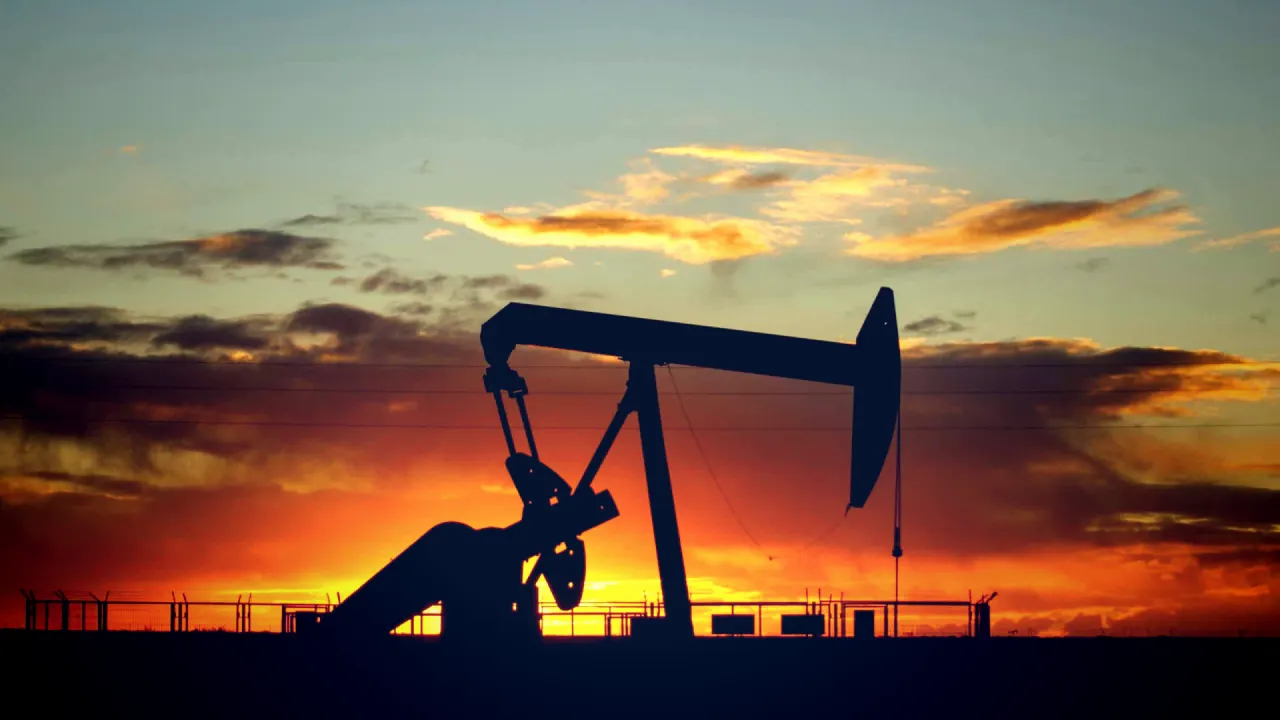
The latest economic data reveals that inflation in the United States remains persistently high, driven largely by surging energy costs. According to the Bureau of Labor Statistics, the headline inflation rate as of July 2026 stands at 3.4% year-over-year, with energy prices increasing by 14.7% compared to the previous year.
Despite a slight monthly decline in energy costs, the annual figures indicate significant pressure on household budgets, largely due to rising gasoline and fuel oil prices. This energy-driven inflation is influencing market expectations regarding crude oil prices, with a low probability of reaching new all-time highs by September 30, currently at 1.8%, while the chance increases to 11.5% by December 31.
In addition to energy costs, consumer demand remains robust, as evidenced by durable goods orders rising 1.1% month-over-month to $339.3 billion in July, surpassing analyst expectations. However, retail and food services sales saw a dip of 0.6% month-over-month, although they still reflect a 5.0% increase year-over-year.
The Personal Consumption Expenditures (PCE) inflation rate also showed a notable increase, coming in at 3.7% for July, slightly above market expectations of 3.6%. This figure is critical for the Federal Reserve as it assesses inflationary pressures and considers potential adjustments to monetary policy.
Market participants are closely monitoring upcoming OPEC meetings and geopolitical developments, as these factors could significantly influence crude oil prices and, consequently, inflation rates. The interplay between energy costs and consumer demand will be crucial in shaping economic forecasts moving forward.
Updated 13:32 UTC
New Insights on US Inflation
- July's Personal Consumption Expenditures (PCE) price index rose 3.7% year-over-year, exceeding the 3.6% consensus estimate.
- Core PCE, excluding food and energy, matched forecasts at 3.3% annually and 0.2% monthly.
- The Federal Open Market Committee is currently divided, with three members advocating for a rate hike.
- Dallas Fed President Lorie Logan, Cleveland Fed President Beth Hammack, and Minneapolis Fed President Neel Kashkari are among those pushing for tighter policy.
- New Fed Chair Kevin Warsh will deliver his first keynote address at the Jackson Hole Economic Policy Symposium on August 28.
- Personal income increased by 0.4% in July, but real consumer spending remained flat.
- The initial market reaction to the PCE data was muted, with stable Treasury yields and limited movement in equity markets.
Updated 13:33 UTC
New Insights on Housing's Impact on Inflation
Recent analysis by Wall Street Journal reporter Nick Timiraos indicates that the contribution of housing to inflation is currently slightly below pre-pandemic levels. This trend has received limited attention despite its potential implications for Federal Reserve policy.
The U.S. core Personal Consumption Expenditures (PCE) inflation, which includes housing, was around or below 2% during the pre-pandemic period. Housing accounts for approximately 15% to 18% of core PCE and has been a significant driver of inflation; however, recent data suggests its influence is waning.
Market participants are interpreting this reduced housing inflation as a signal that the Federal Reserve may adopt a more dovish stance in upcoming meetings. Current market expectations show mixed sentiments, with some anticipating potential rate cuts.
The upcoming Federal Reserve meetings in September and October will be pivotal in determining whether the central bank will adjust its policies in response to the changing inflation dynamics. Observers are particularly interested in any comments from Fed officials regarding the implications of reduced housing inflation on the broader economy.
Updated 13:33 UTC
New Facts
- The core Personal Consumption Expenditures (PCE) price index in the U.S. increased by 0.2% in July 2026.
- The year-over-year core PCE stood at 3.3%, matching June’s rate.
- Overall PCE also rose by 0.2% in July 2026.
- Retail sales fell by 0.6% in July, indicating a decline in consumer demand.
- Market pricing suggests a decreased likelihood of the Federal Reserve cutting rates in the upcoming months.
- The Federal Reserve's meetings through October 2026 will be crucial for interest rate decisions.
- Statements from Fed Chair Kevin Warsh and other governors may provide insights into the Fed’s stance on rate cuts.
- Future economic indicators such as unemployment rates and non-farm payrolls will be significant for assessing monetary policy shifts.
- Market participants will be attentive to changes in the September 2026 FOMC Dot Plot regarding rate adjustments.
Updated 13:33 UTC
New Insights on Housing and Inflation
As of March 2025, housing's contribution to core Personal Consumption Expenditures (PCE) has fallen to just 0.3 percentage points above the pre-pandemic average, a notable decrease from a 0.5 percentage point overshoot the previous year. This marks a significant shift from early 2024, when shelter inflation was over 5% year-over-year.
The decline in housing's inflation contribution is attributed to a gradual decrease in new-lease rents, which takes time to reflect in official data. Core services excluding housing remain a challenge, with inflation at 3.8% year-over-year, while core goods are more stable at 2.3% year-over-year.
Overall, the annual core PCE rate is currently at 3.34%, indicating that housing is no longer the primary obstacle for the Federal Reserve in managing inflation.
FAQ
What is the current inflation rate in the United States as of July 2026?
The headline inflation rate in the United States as of July 2026 stands at 3.4% year-over-year.
What has contributed to the high inflation rate in the US?
The high inflation rate is largely driven by surging energy costs, with energy prices increasing by 14.7% compared to the previous year.
How have consumer demand trends affected the economy?
Consumer demand remains robust, as indicated by durable goods orders rising 1.1% month-over-month, although retail and food services sales saw a dip of 0.6% month-over-month.
What is the Personal Consumption Expenditures (PCE) inflation rate for July 2026?
The PCE inflation rate for July 2026 is 3.7%, slightly above market expectations of 3.6%.
How might upcoming OPEC meetings influence inflation rates?
Upcoming OPEC meetings and geopolitical developments could significantly influence crude oil prices, which in turn could impact inflation rates.
Comments
Comments are moderated before publish.
No comments yet — be the first.