US Intensifies Economic Pressure on Iran Amid Ongoing Tensions
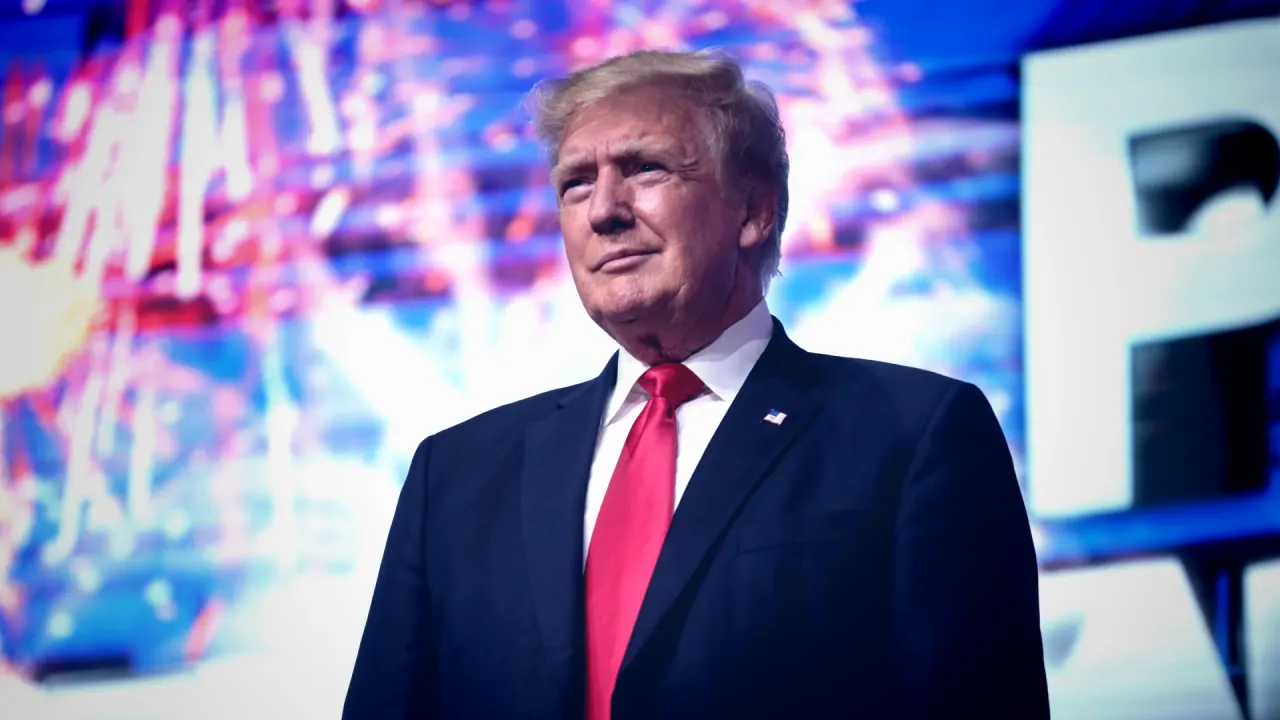
In a recent escalation of rhetoric, U.S. Treasury Secretary Bessent announced the intention to "squash" Iran's economy and push for the collapse of its regime. This statement reflects the U.S.'s commitment to intensifying economic pressure on Iran amidst ongoing hostilities that began in February 2026.
President Donald Trump has also issued stern warnings, threatening "economic warfare" if Iran does not comply with U.S. demands. Despite these threats, no military action has been taken, suggesting a focus on non-violent strategies to influence Iranian policies.
Market participants are interpreting these developments as a reduction in the likelihood of a successful U.S.-Iran deal in 2026. Recent market data indicates a decline in confidence regarding the inclusion of Iran Reconstruction Funding in any potential agreement.
Key Takeaways
- Economic threats from the U.S. appear to decrease the probability of a U.S.-Iran deal in 2026.
- Current market pricing shows reduced expectations for reconstruction funding in future negotiations.
- The U.S. administration's ongoing rhetoric may continue to affect market outlooks on diplomacy with Iran.
What to Watch
- Monitor statements from U.S. Chief Negotiator Mike Vance and Iranian Foreign Minister Javad Zarif for insights into negotiation progress.
- Watch for any confirmed military actions or further economic sanctions that could influence market probabilities.
- Keep an eye on mediator involvement from countries like Qatar and Pakistan, as their diplomatic efforts could impact negotiations.
Updated 00:02 UTC
New Developments in US-Iran Economic Relations
- President Trump is focusing on disrupting Iran's economic ties with Dubai, a key commercial hub, as part of his strategy to increase pressure on Tehran.
- The Wall Street Journal reports that the Trump administration aims to limit Dubai's facilitation of Iran's economy through broader sanctions.
- The United Arab Emirates has suspended trade with Iran, indicating a move towards the economic isolation of Tehran.
- Market pricing suggests a decreased likelihood of Iran reconstruction funding being included in a potential U.S.-Iran deal in 2026, with current odds at 17.5%, down from 22% just a day prior.
- Further restrictions on UAE-Iran trade relations could reinforce market sentiment against the inclusion of reconstruction funding in any U.S.-Iran agreement.
- Key diplomatic meetings or announcements from the U.S., UAE, or Iran could significantly alter the current landscape.
Updated 01:31 UTC
New Developments on US-Iran Relations
- The Iranian government may be planning a significant move ahead of the U.S. midterm elections, potentially targeting energy infrastructure or American forces.
- This situation could lead to heightened tensions between the U.S. and Iran amidst ongoing conflicts and fragile ceasefire agreements.
- Prediction markets related to a potential U.S.-Iran deal in 2026 have seen a decline in odds for reconstruction funding, dropping from 22% to 18% in the past 24 hours.
- The potential for military actions may undermine diplomatic progress, reflecting reduced confidence in reaching a comprehensive agreement in the near term.
- Observers are closely monitoring any official statements from the Iranian government or military activities that could confirm or deny the reported plans.
- Key figures, including U.S. President Donald Trump and Iranian Foreign Minister Javad Zarif, may provide further insights into the evolving situation.
- Developments in the Strait of Hormuz and international diplomatic efforts will remain crucial indicators of future outcomes.
FAQ
What recent actions has the U.S. taken regarding Iran's economy?
The U.S. Treasury Secretary announced intentions to 'squash' Iran's economy and push for the collapse of its regime, indicating a commitment to intensifying economic pressure on Iran.
What has President Trump warned Iran about?
President Trump has issued stern warnings of 'economic warfare' if Iran does not comply with U.S. demands, although no military action has been taken.
How are market participants reacting to the U.S.-Iran situation?
Market participants are interpreting the U.S. threats as a reduction in the likelihood of a successful U.S.-Iran deal in 2026, with recent data showing decreased confidence in reconstruction funding being included in any potential agreement.
What should be monitored for insights into U.S.-Iran negotiations?
It is important to monitor statements from U.S. Chief Negotiator Mike Vance and Iranian Foreign Minister Javad Zarif, as well as any confirmed military actions or further economic sanctions that could influence market probabilities.
Which countries are involved as mediators in the U.S.-Iran negotiations?
Countries like Qatar and Pakistan are involved as mediators, and their diplomatic efforts could significantly impact the negotiations between the U.S. and Iran.
Comments
Comments are moderated before publish.
No comments yet — be the first.