US Military Expands Oil Shipping Corridor Amid Iranian Threats
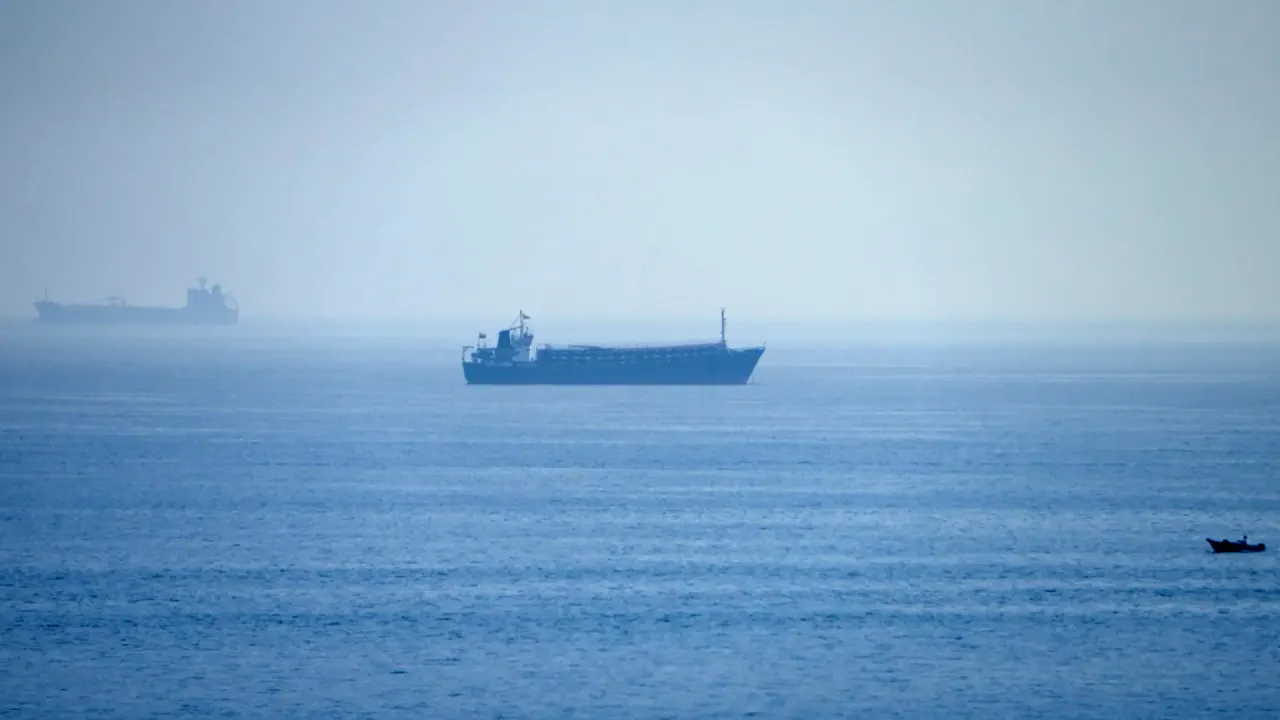
The US military has been operating a protected shipping lane through the Strait of Hormuz for several weeks, escorting commercial oil tankers in a southern corridor near Oman as part of an initiative known as Project Freedom. This operation, managed by CENTCOM since early May 2026, has allowed the movement of approximately 500 million barrels of crude oil through this critical maritime chokepoint.
Despite this significant volume, it represents only a fraction of the typical flow through the strait, which usually handles between 15 and 20 million barrels per day. As of July 2026, US-protected oil flows have reached about 5 million barrels per day, indicating that the corridor is operating at roughly a quarter to a third of its normal capacity.
Details of Project Freedom
Project Freedom was publicly announced by President Trump in May 2026, aimed at maintaining global oil market stability amid escalating tensions with Iran. The operation involves aerial and drone surveillance, with commercial vessels receiving specific routing guidance while turning off their transponders. In its initial weeks, US forces provided direct guidance to around 70 commercial ships, and since the project's inception, CENTCOM has assisted approximately 1,000 vessels.
The southern corridor closely follows the Omani side of the strait, maximizing distance from Iranian territorial waters. However, Iranian attacks on vessels using this route have persisted, complicating the situation as Iran has proposed alternative shipping corridors, leading to a tense maritime environment.
Impact on Energy Markets
The reduced flow of oil through the Strait of Hormuz has significant implications for global energy markets. The gap between the current 5 million barrels per day and the pre-crisis levels highlights the ongoing challenges in global oil supply chains. Investors are advised to monitor the trend in daily barrel counts, as any increase towards 8 or 10 million barrels could alleviate some supply pressures.
Updated 22:31 UTC
New Developments
- Oil prices remain elevated due to ongoing geopolitical tensions between Iran and the United States, with Brent crude futures around $91.44–$91.60 per barrel and WTI futures approximately $84.40 per barrel as of August 19.
- The market currently reflects a 2.5% probability of crude oil reaching a new all-time high by September 30, increasing to 13.5% by December 31, indicating potential catalysts later in the year.
- Key indicators to watch include potential OPEC production cuts, US sanctions, and changes in vessel traffic through the Strait of Hormuz, which could further impact oil supply and pricing.
- Statements from major energy figures, including OPEC’s Mohammad Sanusi Barkindo and Saudi Energy Minister Abdulaziz bin Salman Al Saud, will be closely monitored for market implications.
Updated 22:32 UTC
Recent Developments in Iran's Regional Tensions
An Iranian attack on the Jebel Ali port in Dubai has raised alarms regarding the stability of Iran's regional relationships. This incident, which resulted in smoke and operational disruptions at a key logistics hub, is part of the ongoing conflict involving Iran, the U.S., and Israel projected for 2026.
The attack highlights the economic ramifications of Iran's actions, particularly given the UAE's substantial trade connections with Iran despite existing sanctions. It suggests a potential escalation that could impact commercial shipping and regional supply chains.
Market analysis indicates a slight increase in the perceived likelihood of the Iranian regime's collapse before 2027, now estimated at 6.5%. The incident emphasizes the fragility of Iran's economic ties with Gulf nations amid ongoing geopolitical tensions.
Key indicators to watch include any military escalations that could disrupt Iran's trade routes, significant defections within Iranian military or security forces, and large-scale domestic protests. Additionally, diplomatic responses from the U.S. and its allies may shape market perceptions of Iran's political future.
Updated 04:00 UTC
New Insights on Geopolitical Risks
Col. Douglas Macgregor has expressed concerns regarding potential instability in the bond market, linking it to rising sovereign debt issues and escalating tensions in the Strait of Hormuz, which Iran controls. This maritime route is a significant point of geopolitical risk, with Iran reportedly imposing traffic restrictions until U.S. conditions are satisfied.
Recent developments indicate that U.S. Treasury yields are nearing multi-decade highs, reflecting increased borrowing costs and market sensitivity to geopolitical dynamics. This situation suggests heightened volatility in the bond market, which could have broader implications for global financial markets.
Key Takeaways:
- Col. Macgregor's warnings align with market concerns over sovereign debt and geopolitical risks.
- The Strait of Hormuz situation may lead to increased instability in energy and financial markets.
- Rising U.S. Treasury yields suggest that market participants are anticipating prolonged geopolitical disruptions.
What to Watch:
- Developments in the Strait of Hormuz could significantly impact global energy supplies and financial stability.
- The trajectory of U.S. Treasury yields is crucial, as ongoing increases may reflect broader concerns over sovereign debt and geopolitical tensions.
- Key players like the Federal Reserve and major financial institutions will likely influence market dynamics through their policy decisions and economic forecasts.
Updated 04:30 UTC
New Developments in Oil Shipping
Oil-producing nations in the Gulf region are experiencing a surge in demand for tankers, particularly Very Large Crude Carriers (VLCCs), leading to a significant increase in vessel prices. Spot earnings for VLCCs have reached six-figure daily levels, reflecting the heightened need for oil transportation through strategic routes like the Strait of Hormuz.
The tightening of the tanker market suggests a higher cost for shipping crude oil, which may impact global oil prices. Market participants are closely monitoring developments in the tanker market, as these could indicate continued upward pressure on oil prices.
Key actors to observe include OPEC and its Secretary General, as well as geopolitical factors affecting Gulf oil exports. Any reports of increased global oil demand or geopolitical tensions could further support scenarios where oil prices reach new highs.
Updated 06:30 UTC
New Developments
The ongoing conflict involving the United States, Israel, and Iran has intensified, leading to significant disruptions in global energy supplies. The energy crisis linked to the Iran war is escalating, with major impacts on oil and LNG flows due to disruptions in the Strait of Hormuz.
The International Energy Agency has described this situation as the largest supply disruption in global oil market history.
Recent market movements indicate a decrease in the likelihood of a US-Iran diplomatic deal, with market odds falling across several sub-markets. The disruption in the Strait of Hormuz aligns with scenarios where energy security concerns could derail negotiations.
Key actors to monitor include U.S. President Donald Trump and Iranian Foreign Minister Javad Zarif, as their statements may indicate potential shifts in diplomatic efforts.
Further military actions by Israel or Iran could suggest scenarios less supportive of a US-Iran deal, while developments regarding the reopening of the Strait of Hormuz could influence market pricing towards more favorable diplomatic outcomes.
Updated 08:00 UTC
New Developments
- U.S. President Donald Trump has threatened severe economic repercussions against nations aiding Iran, marking a strategic pivot towards economic warfare.
- This announcement follows military engagements earlier this year and aims to further isolate Iran by targeting its trade and financial connections.
- Current market pricing indicates a decreased likelihood of reconstruction funding being part of any potential US-Iran deal in 2026.
- There is a noted drop in market confidence regarding a final agreement on Iran’s nuclear activities by the end of the year.
- Future statements from U.S. officials, including Chief Negotiator Mike Vance, may provide insights into the administration’s strategy.
- Diplomatic interventions from countries like Qatar and Pakistan could potentially alter the current standoff.
Updated 08:30 UTC
Recent Developments in US-Iran Relations
President Donald Trump is reportedly considering the option of ordering intensive military attacks on Iran if economic pressure proves ineffective. This marks a potential escalation in the ongoing conflict, shifting from previous strategies that relied on isolated military strikes or sanctions.
Market indicators suggest a decrease in the likelihood of a US-Iran deal that includes reconstruction funding, with probabilities dropping significantly. The potential for increased military action is expected to further lower the odds of achieving a diplomatic resolution regarding Iran's nuclear program.
Observers are advised to watch for official announcements from the US administration concerning military actions or strategic shifts, as these developments could significantly impact geopolitical stability and market perceptions.
Updated 09:00 UTC
New Developments
Oil prices have risen as former U.S. President Donald Trump intensifies his criticism of Iran amid a stalemate in negotiations. This situation is contributing to increased geopolitical tensions that are affecting global markets, particularly in the energy sector.
Current market indicators suggest a potential increase in crude oil prices due to concerns over the stability of Middle Eastern oil routes and supply chains.
Key Takeaways
- Trump's intensified rhetoric on Iran is linked to heightened geopolitical tensions, which may lead to higher oil prices.
- The prediction market shows a 2.2% probability for crude oil reaching a new all-time high by September 30, down from 3% a day ago.
- There is a 13.5% probability for a new high by December 31, up from 12% a week ago.
What to Watch
Further developments in U.S.-Iran relations could significantly impact oil market expectations. Key actors, such as OPEC, may respond to changes in supply and demand dynamics, and shifts in geopolitical stability in the Middle East could further influence market pricing and volatility.
Updated 09:32 UTC
New Developments in US-Iran Relations
- President Donald Trump has intensified economic measures against Iran, impacting China's involvement in the Iranian oil trade.
- The new measures aim to undermine Iran’s revenue streams by targeting Chinese buyers and financial institutions connected to Iranian oil.
- Market pricing indicates a decreased likelihood of Iran Reconstruction Funding being included in a potential US-Iran deal in 2026.
- Recent market behavior shows a decline in confidence regarding a resolution that includes key terms for reconstruction funding.
- Observers are advised to monitor US-Iran relations closely, particularly any responses from China that could influence market sentiment.
- Key indicators to watch include announcements from the U.S. Treasury regarding sanctions and potential diplomatic efforts by mediators from Qatar and Pakistan.
- Military actions or announcements from Israeli or Iranian officials may further impact market expectations for a US-Iran deal in 2026.
FAQ
What is Project Freedom?
Project Freedom is an initiative launched by the US military to protect commercial oil tankers in a designated shipping lane through the Strait of Hormuz, aimed at maintaining global oil market stability amid tensions with Iran.
How much oil is currently being transported through the US-protected corridor?
As of July 2026, the US-protected oil flows have reached about 5 million barrels per day, which is roughly a quarter to a third of the normal capacity of the Strait of Hormuz.
What measures are being taken to ensure the safety of commercial vessels?
The operation involves aerial and drone surveillance, and commercial vessels receive specific routing guidance while turning off their transponders to enhance safety in the corridor.
What are the implications of reduced oil flow through the Strait of Hormuz?
The reduced flow of oil has significant implications for global energy markets, highlighting ongoing challenges in oil supply chains and prompting investors to monitor daily barrel counts for potential supply pressures.
What has been the response from Iran regarding the shipping corridor?
Iran has continued to launch attacks on vessels using the US-protected route and has proposed alternative shipping corridors, contributing to a tense maritime environment.
Comments
Comments are moderated before publish.
No comments yet — be the first.