US Military Strike on Iran's Larak Island Increases Death Toll to Three
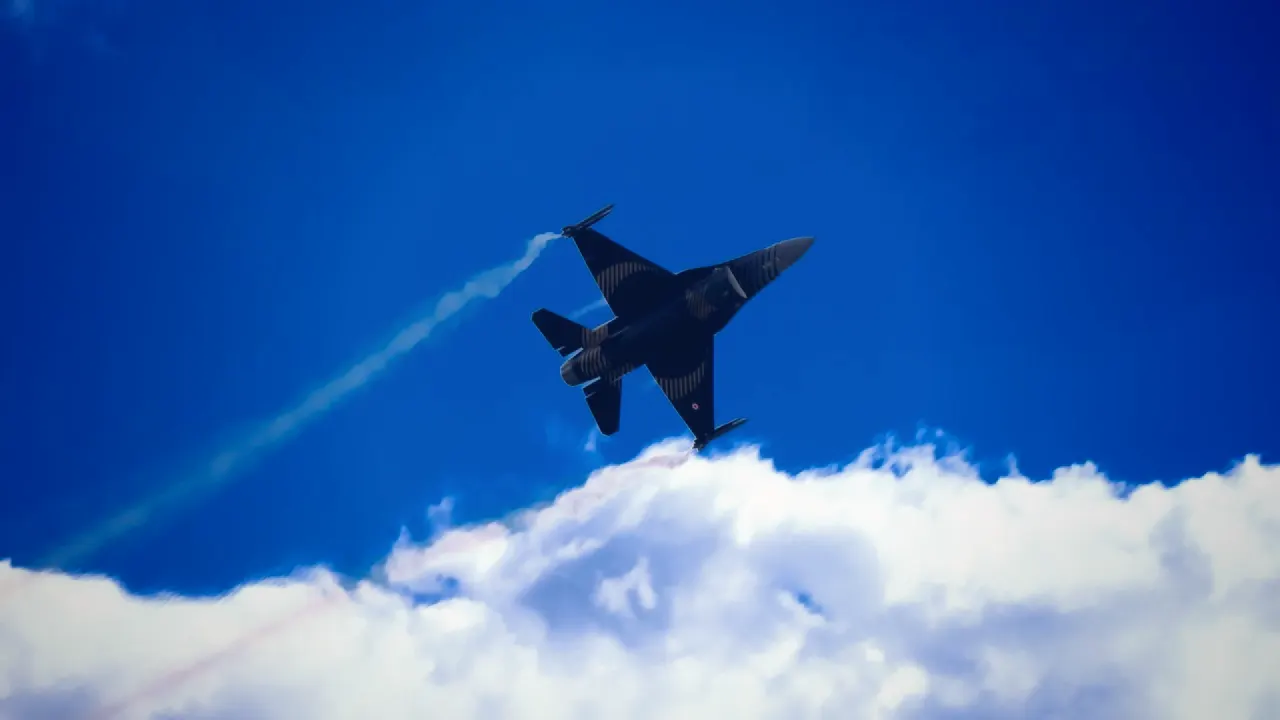
A US military strike on Iran’s Larak Island on August 30, 2026, has raised the death toll to three members of the Islamic Revolutionary Guard Corps (IRGC). This increase follows the death of one injured individual in the hospital, as reported by the IRGC-affiliated Tasnim news agency.
The operation targeted two IRGC rocket launchers on Larak Island, a strategic location in the Strait of Hormuz, which is crucial for global oil transportation. The strike was prompted by intelligence indicating that IRGC forces were preparing to deploy sea mines into the shipping lanes of the Strait.
This military action marks a significant escalation in the ongoing US-Iran confrontation, which has seen a series of retaliatory measures from both sides. Iran responded to the strike with missile and drone attacks on US-linked bases in Jordan, although these were largely intercepted, resulting in no significant damage or casualties among US forces.
The situation underscores the strategic importance of the Strait of Hormuz, where Iran has previously attempted to exert control through various means, including laying mines and imposing passage fees on vessels. The August 30 strike is seen as a direct enforcement of US warnings against such actions.
As tensions continue to rise, observers are advised to monitor official announcements from Iranian authorities regarding potential changes in their economic strategies in the region, particularly concerning the collection of Hormuz fees.
Updated 16:03 UTC
New Developments
Seyed Abbas Araghchi, Iran’s Foreign Minister, has accused Israeli Prime Minister Benjamin Netanyahu of influencing the United States towards a military conflict with Iran. This accusation heightens the existing tensions between Iran, the U.S., and Israel, which have already been marked by military exchanges and a fragile ceasefire.
Araghchi's statement suggests a reduced likelihood of imminent peace talks between the U.S. and Iran, with market pricing indicating only a 13.5% chance of such talks occurring by September 30, 2026.
Observers are closely monitoring for any official responses from Washington or Tel Aviv that could impact diplomatic or military actions, as well as any changes in U.S. diplomatic posture that might influence the trajectory of peace negotiations.
Updated 16:04 UTC
Latest Developments
- Bitcoin is currently trading near $78,400, marking a monthly advance of over 24%, its strongest August performance since 2017.
- US military forces conducted airstrikes on two Iranian rocket launchers on Larak Island, targeting imminent threats to the Strait of Hormuz.
- Brent crude oil prices surged over 3% to approximately $91 a barrel following the military actions and Iran's retaliation.
- US Central Command confirmed the strikes were aimed at eliminating threats posed by Iranian forces to protect global commerce.
- Bitcoin's recent price action suggests a potential end to its corrective phase, with analysts noting it has held above critical support levels.
- The options market for Bitcoin has shown increased demand for call options, indicating a shift in market sentiment.
Updated 16:31 UTC
New Developments in Iran's Oil Strategy
Iran’s deputy parliament speaker has called for targeting all oil-exporting countries to increase economic pressure on the United States amid ongoing tensions and sanctions affecting Iran's oil exports.
This statement raises concerns about potential disruptions in the global oil market, which has already experienced significant fluctuations.
Brent crude prices are currently around $90.55 per barrel, marking a 33% increase from the previous year. Analysts predict a 12.5% chance of crude oil reaching new all-time highs by December 31.
Market observers are advised to monitor Iran's actions towards oil-exporting nations, as well as OPEC's production decisions, which will be critical in shaping future market expectations.
FAQ
What was the reason for the US military strike on Larak Island?
The US military strike on Larak Island was prompted by intelligence indicating that the Islamic Revolutionary Guard Corps (IRGC) forces were preparing to deploy sea mines into the shipping lanes of the Strait of Hormuz.
What was the outcome of the military strike?
The military strike resulted in the death of three members of the IRGC, following the death of one injured individual in the hospital.
How did Iran respond to the US military strike?
Iran responded to the strike with missile and drone attacks on US-linked bases in Jordan, although these attacks were largely intercepted and resulted in no significant damage or casualties among US forces.
Why is the Strait of Hormuz considered a strategic location?
The Strait of Hormuz is crucial for global oil transportation, making it a strategic location where Iran has previously attempted to exert control through various means, including laying mines and imposing passage fees on vessels.
What should observers monitor following the escalation of tensions?
Observers are advised to monitor official announcements from Iranian authorities regarding potential changes in their economic strategies in the region, particularly concerning the collection of Hormuz fees.
Comments
Comments are moderated before publish.
No comments yet — be the first.