US Producer Price Index Drops to 4.7%, Influencing Fed Rate Hike Expectations
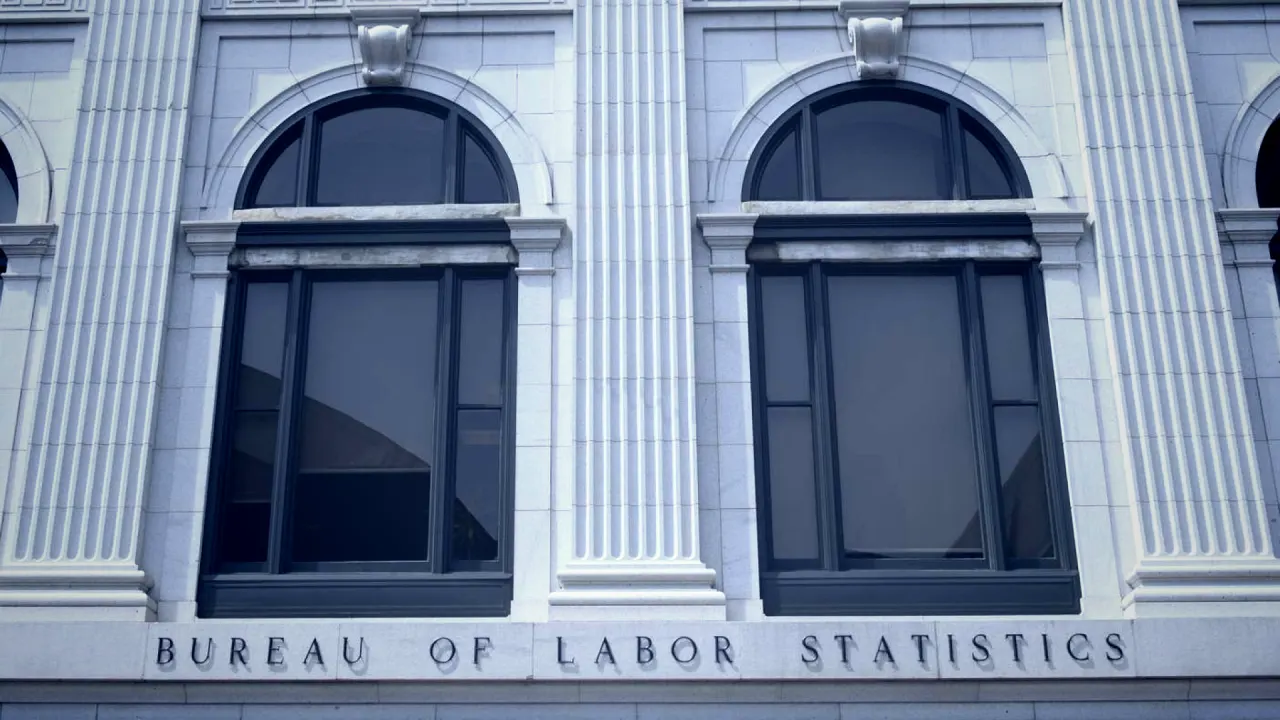
The U.S. Producer Price Index (PPI) reported a year-over-year decline to 4.7% in July, down from a revised 5.5% in June, according to the Bureau of Labor Statistics. This figure fell short of Wall Street's expectation of 5%. The month-over-month change in final demand prices remained flat at 0.0%, following a slight decline of -0.1% in June.
The decrease in the PPI was primarily driven by a 0.7% drop in goods prices, largely due to a significant 3.1% decline in energy costs, with gasoline prices falling by 5.7%. In contrast, services saw a modest increase of 0.2%, led by a 6.5% rise in portfolio management fees.
The core PPI, which excludes food, energy, and trade services, increased by 0.4% month-over-month and 4.7% year-over-year. This cooling of producer prices is significant as it may indicate easing consumer price pressures in the future, although the relationship is not always immediate.
In addition to the PPI data, initial jobless claims rose slightly to 199,000, which has led to a reassessment of the likelihood of a Federal Reserve interest rate hike. Current market pricing suggests a reduced probability for a rate increase in the upcoming September and October Federal Open Market Committee (FOMC) meetings.
As of now, the odds for a rate hike by the September FOMC meeting have decreased to 32.5% from 36%, while the October meeting's odds have dropped to 44.5% from 50%. Market participants are closely monitoring upcoming economic data and statements from Fed officials, particularly Fed Chair Jerome Powell, for further insights into monetary policy direction.
Updated 13:33 UTC
New Insights on Fed Rate Expectations
- Market pricing indicates a ~68% chance that the Federal Reserve will maintain its target rate at 3.50%-3.75% after the September 16 FOMC meeting.
- There is a 32% probability of a 25-basis-point hike to 3.75%-4.00%.
- The current rate range has been unchanged since the July 2026 FOMC meeting, which saw a 9-3 vote to hold steady.
- The upcoming September meeting will include a fresh Summary of Economic Projections, detailing forecasts for GDP growth, unemployment, and inflation.
- Market-implied probabilities are derived from 30-Day Fed Funds futures, reflecting traders' expectations based on current rate movements.
- Equity investors generally favor a rate hold, while bond markets may react differently depending on future projections from the Fed.
- Portfolio managers are preparing for both scenarios—holding rates steady or a potential hike—by adjusting their sector allocations and bond durations accordingly.
Updated 13:33 UTC
New Facts on Producer Price Index (PPI)
- The Producer Price Index for final demand was flat in July 2026, with a 0.0% change on a seasonally adjusted basis.
- Final demand goods prices decreased by 0.7% month-over-month, primarily due to a 3.1% drop in energy prices.
- Gasoline prices led the decline in energy, falling by 5.7%.
- Final demand services rose by 0.2%, with construction costs notably increasing by 2.2% monthly.
- Year-over-year, the final demand PPI stands at 4.7%, with the core measure also at 4.7%, reflecting a 0.4% monthly increase.
- The flat PPI reading may influence the Federal Reserve's monetary policy decisions, providing a rationale to maintain current rates.
- Despite the flat monthly reading, producers are still facing higher input costs compared to the previous year, which may impact consumer prices in the future.
FAQ
What is the current U.S. Producer Price Index (PPI) rate?
The current U.S. Producer Price Index (PPI) rate is 4.7% year-over-year as of July, down from 5.5% in June.
What factors contributed to the decline in the PPI?
The decline in the PPI was primarily driven by a 0.7% drop in goods prices, largely due to a significant 3.1% decline in energy costs, including a 5.7% drop in gasoline prices.
How did the PPI affect expectations for Federal Reserve interest rate hikes?
The cooling of producer prices has led to a reassessment of the likelihood of a Federal Reserve interest rate hike, with current market pricing suggesting a reduced probability for rate increases in the upcoming September and October FOMC meetings.
What are the current odds for a rate hike in the September and October FOMC meetings?
The odds for a rate hike by the September FOMC meeting have decreased to 32.5% from 36%, while the October meeting's odds have dropped to 44.5% from 50%.
What other economic indicators are being monitored alongside the PPI?
Market participants are also closely monitoring initial jobless claims, which rose slightly to 199,000, as well as upcoming economic data and statements from Fed officials for insights into monetary policy direction.
Comments
Comments are moderated before publish.
No comments yet — be the first.