US to Intensify Economic Pressure on Iran, Avoid Large-Scale Combat
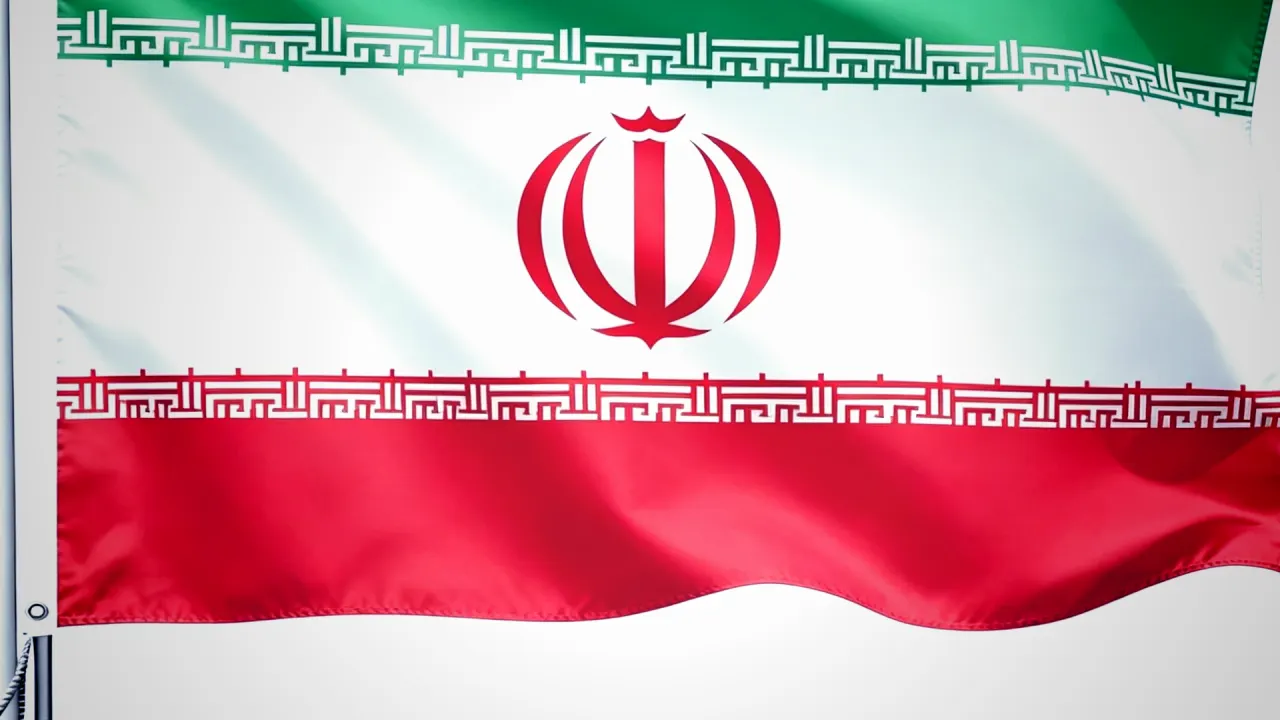
The United States is poised to escalate its economic pressure on Iran while avoiding large-scale combat operations, according to Treasury Secretary Scott Bessent. This strategic pivot comes amid a fragile ceasefire following earlier military confrontations between the two nations.
Bessent stated that the U.S. will implement what he describes as the most aggressive economic isolation campaign ever directed at a single country, targeting Iran's financial networks and proxy support. This approach includes a combination of extreme economic sanctions and a naval blockade of Iranian ports.
Market reactions indicate a diminished likelihood of a U.S.-Iran deal involving reconstruction funding by 2026, as recent predictions show a drop in optimism regarding cooperation. The U.S. has also announced intentions to impose stringent sanctions on countries conducting business with Iran, further isolating the regime economically and politically.
Key Takeaways
- The U.S. is focusing on economic pressure rather than military escalation in its dealings with Iran.
- Market sentiment reflects skepticism about a potential U.S.-Iran deal, particularly regarding reconstruction funding.
- Upcoming announcements from U.S. officials and ongoing diplomatic efforts will be critical to monitor.
Updated 17:33 UTC
New Developments in US-Iran Relations
Donald Trump has introduced a strategy termed "Economic D-Day" aimed at intensifying economic pressure on Iran, amidst rising tensions in the region.
Tehran has dismissed this threat, viewing it as another instance of failed US policy.
The announcement follows a collapse of a fragile ceasefire, with both military and economic pressures on Iran increasing.
Current sanctions and disruptions in the Strait of Hormuz, a vital global energy route, are further complicating the situation.
Market analysts are noting a decrease in the likelihood of reconstruction funding being part of any potential 2026 US-Iran deal.
Observers are advised to watch for any further diplomatic or military developments, including changes in sanctions and communications that may affect market expectations.
Updated 17:34 UTC
New Developments in US Economic Pressure on Iran
The US Treasury Department's Office of Foreign Assets Control (OFAC) has intensified its efforts against Iran's financial networks by sanctioning a cluster of crypto exchanges allegedly processing millions in transactions for the Islamic Revolutionary Guard Corps (IRGC). This action, taken on August 7, targets Siavash Kayvanpour, the Shelbit Exchange, and affiliated companies, which facilitated between $1 million and $2 million in digital asset transfers to IRGC-linked wallets.
Alongside Shelbit, Aban Tether was also sanctioned, highlighting a broader network that has been providing financial services to sanctioned actors cut off from traditional banking systems. The Shelbit network reportedly laundered tens of millions of dollars from online gambling operations.
Since January 2026, OFAC has sanctioned over 100 vessels associated with Iran's shadow fleet, indicating a comprehensive economic pressure campaign against Tehran. Additionally, a $15 million bounty has been offered for information on IRGC financial systems, aimed at crowdsourcing intelligence on crypto-facilitated evasion.
Entities involved in this action were incorporated in multiple jurisdictions, with structures linked to Dubai's free trade zones, underscoring how sanctions evasion networks exploit regulatory gaps. The implications for the crypto industry are significant, as US persons must freeze funds connected to designated addresses, and other exchanges are reminded of the legal risks involved in interacting with these wallets.
FAQ
What is the U.S. strategy regarding Iran?
The U.S. is set to intensify economic pressure on Iran while avoiding large-scale combat operations, focusing on aggressive economic isolation.
What measures will the U.S. take against Iran?
The U.S. will implement extreme economic sanctions and a naval blockade of Iranian ports, targeting Iran's financial networks and proxy support.
What impact has this strategy had on market sentiment?
Market reactions indicate a diminished likelihood of a U.S.-Iran deal involving reconstruction funding by 2026, reflecting skepticism about cooperation.
How will the U.S. affect countries doing business with Iran?
The U.S. plans to impose stringent sanctions on countries that conduct business with Iran, further isolating the Iranian regime economically and politically.
What should we monitor regarding U.S.-Iran relations?
Upcoming announcements from U.S. officials and ongoing diplomatic efforts will be critical to monitor in the context of U.S.-Iran relations.
Comments
Comments are moderated before publish.
No comments yet — be the first.