Vitalik Buterin Advocates for AI-Enhanced Software Security with Formal Verification
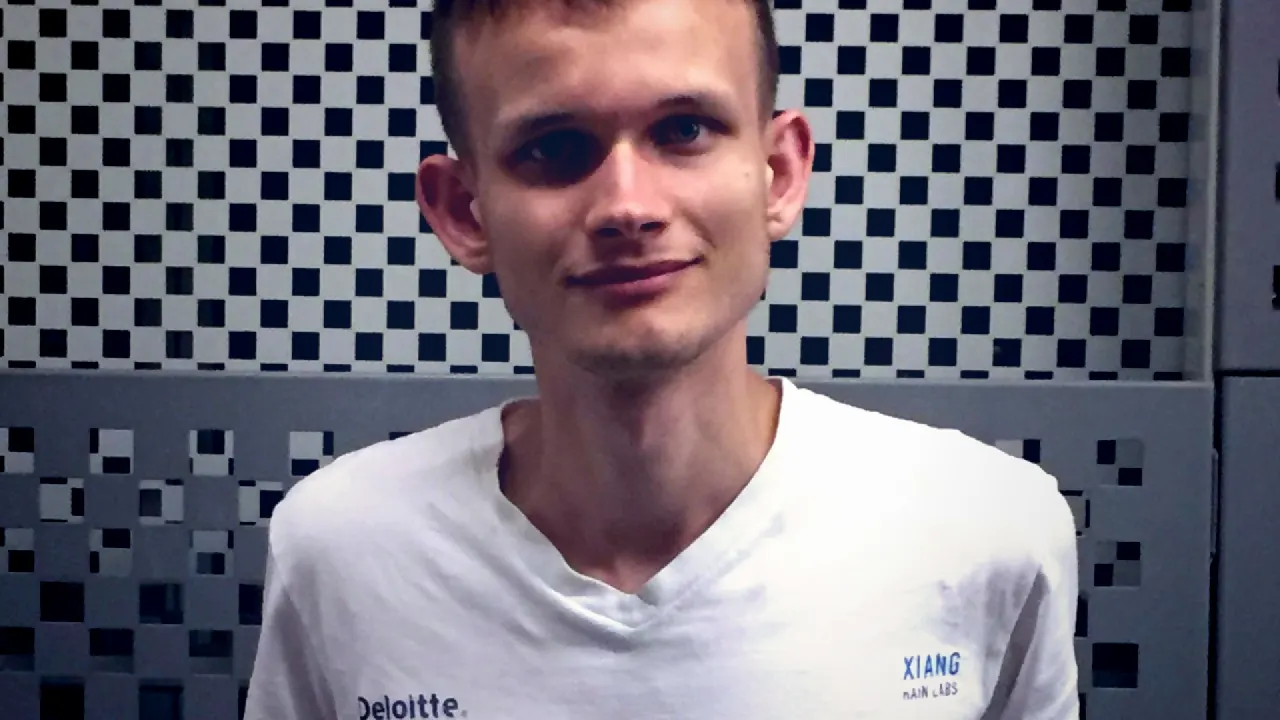
Vitalik Buterin, co-founder of Ethereum, has presented a compelling case for the integration of artificial intelligence (AI) and formal verification to bolster software security. In a recent blog post, Buterin emphasized that while AI can generate code rapidly, it often lacks reliability, which poses risks for critical applications like smart contracts. He argues that formal verification, which uses mathematical proofs to ensure code behaves correctly across all scenarios, can mitigate these risks.
Buterin highlighted the Lean theorem prover as a vital tool in this process, allowing developers to create mechanically checkable proofs that enhance security beyond traditional code reviews. He acknowledged concerns that AI could also be exploited by attackers to identify vulnerabilities but maintained that verified proofs provide a permanent safeguard against such threats.
With the looming threat of quantum computing, which could potentially compromise current encryption methods, Buterin pointed out that formal verification is essential for developing quantum-resistant signatures. He also underscored the importance of zero-knowledge proofs in Ethereum's scaling strategy, citing ongoing projects like Arklib and evm-asm as examples of practical applications of formal verification.
Despite recognizing the limitations of formal verification, including specification risk and hardware vulnerabilities, Buterin believes that AI-assisted formal verification represents a significant advancement in software development. He noted that while formal verification has traditionally been limited to high-stakes industries, the advent of AI could make it feasible for a broader range of software applications.
FAQ
What is the main argument presented by Vitalik Buterin regarding AI and software security?
Vitalik Buterin argues that integrating artificial intelligence with formal verification can significantly enhance software security, particularly for critical applications like smart contracts, by ensuring code behaves correctly through mathematical proofs.
What is formal verification and why is it important?
Formal verification is a process that uses mathematical proofs to ensure that code behaves correctly in all scenarios. It is important because it mitigates risks associated with unreliable code, especially in high-stakes applications.
How does Buterin suggest AI could be used in the context of formal verification?
Buterin suggests that AI can assist in generating code quickly, while formal verification tools like the Lean theorem prover can create mechanically checkable proofs that enhance security beyond traditional code reviews.
What concerns does Buterin acknowledge regarding the use of AI in software development?
Buterin acknowledges that AI could be exploited by attackers to identify vulnerabilities in code, but he maintains that verified proofs provide a permanent safeguard against such threats.
What role does formal verification play in addressing the challenges posed by quantum computing?
Formal verification is essential for developing quantum-resistant signatures, which are necessary to protect against the potential threats posed by quantum computing to current encryption methods.
Comments
Comments are moderated before publish.
No comments yet — be the first.