Chevron and US Firms Move to Invest Billions in Venezuelan Oil Fields
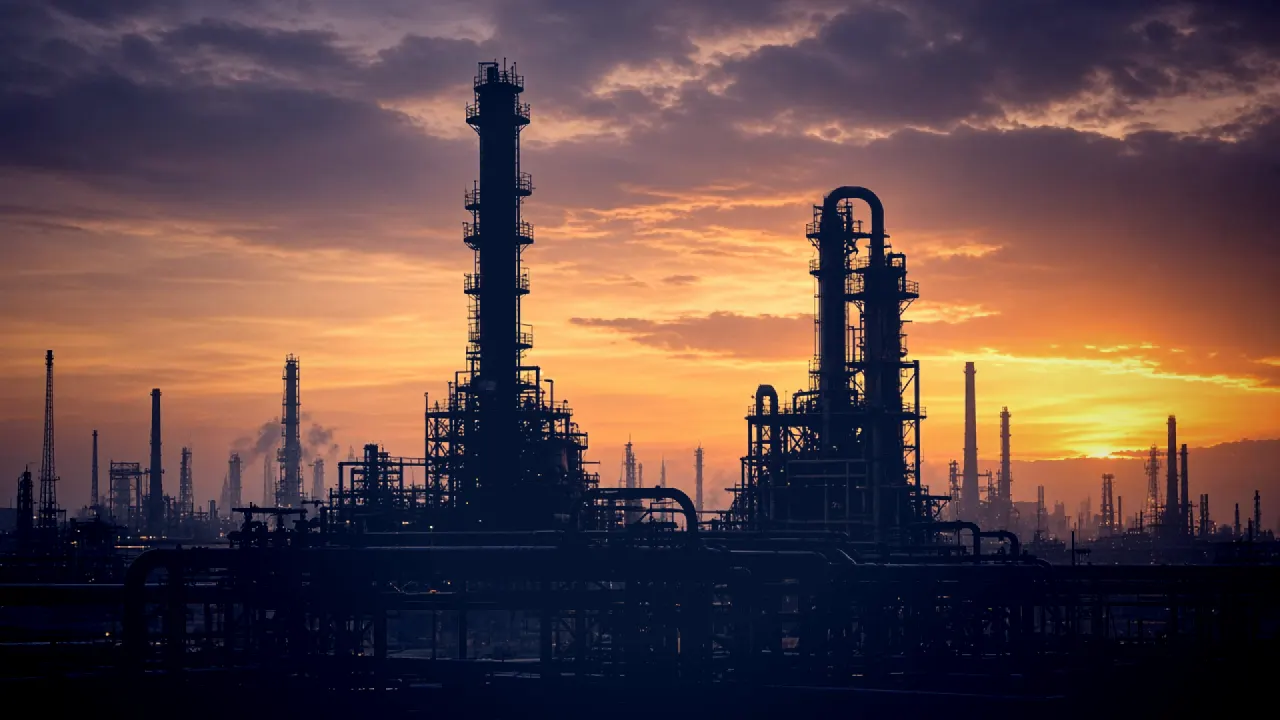
Chevron and a consortium of US firms are on the verge of finalizing substantial investments in Venezuelan oil fields, a move prompted by the political shift following Nicolás Maduro's anticipated departure from power in January 2026. This change has opened opportunities for American oil companies, with Chevron taking the lead.
In April 2026, Chevron executed an asset swap with PDVSA, Venezuela’s state oil company, increasing its stake in the Petroindependencia joint venture from 35.79% to 49%. This agreement also granted Chevron development rights to the Ayacucho 8 block, located in the Orinoco Belt, Venezuela’s most productive heavy crude region. Currently, Chevron’s joint ventures in the country produce approximately 260,000 barrels per day, with plans to boost this output to 375,000 barrels per day.
Chevron has maintained a significant operational presence in Venezuela during years of political turmoil, positioning itself advantageously as competitors remain hesitant. Other US firms, such as Hunt Oil and SLB, have also begun to engage with PDVSA, marking the first notable commercial agreements since Maduro's regime.
Venezuela's oil output has rebounded to over 1 million barrels per day, with about half of its exports directed to the US market. However, skepticism remains among major players like ExxonMobil and ConocoPhillips, who have previously faced nationalization of their assets in Venezuela.
The implications of these developments for energy markets are significant, as Venezuela holds some of the largest proven oil reserves globally. Although legal and infrastructural challenges persist, increased US involvement could enhance energy security and reshape global oil supply dynamics.
Updated 19:01 UTC
New Developments in Venezuelan Oil Investments
- The Trump administration is negotiating for a major ownership stake in Venezuela's oil fields, which contain an estimated 90 billion barrels of proven reserves.
- Secretary of State Marco Rubio and Energy Secretary Chris Wright are leading the US negotiations, while Venezuela's acting president Delcy Rodríguez represents the Venezuelan government.
- The proposed deal involves a long-term lease arrangement that could last up to 100 years, allowing private American firms to manage the oil fields.
- Current oil production in Venezuela is approximately 1.25 million barrels per day, significantly down from peaks above 3 million barrels per day in the late 1990s.
- SLB and Hunt Oil signed contracts with Venezuelan entities in August 2026, indicating private sector interest in revitalizing Venezuela's oil infrastructure.
- The proposed lease structure is ambitious, as 100-year arrangements are rare in the oil industry, potentially securing American access to Venezuelan resources for generations.
- Restoring oil production is crucial for Venezuela's economic recovery, as oil revenue remains the primary source of government income.
FAQ
What prompted Chevron and US firms to invest in Venezuelan oil fields?
The investments are driven by the political shift anticipated with Nicolás Maduro's departure from power in January 2026, creating new opportunities for American oil companies.
What recent agreement did Chevron make with PDVSA?
In April 2026, Chevron executed an asset swap with PDVSA, increasing its stake in the Petroindependencia joint venture from 35.79% to 49% and gaining development rights to the Ayacucho 8 block.
What is the current production capacity of Chevron's joint ventures in Venezuela?
Chevron's joint ventures currently produce approximately 260,000 barrels per day, with plans to increase this output to 375,000 barrels per day.
How has Venezuela's oil output changed recently?
Venezuela's oil output has rebounded to over 1 million barrels per day, with about half of its exports directed to the US market.
What challenges do US firms face in Venezuela's oil sector?
US firms face legal and infrastructural challenges, and there is skepticism from major players like ExxonMobil and ConocoPhillips due to past experiences with nationalization of their assets.
Comments
Comments are moderated before publish.
No comments yet — be the first.