Trump Rejects Iran's Compensation Demands, Complicating Strait of Hormuz Negotiations
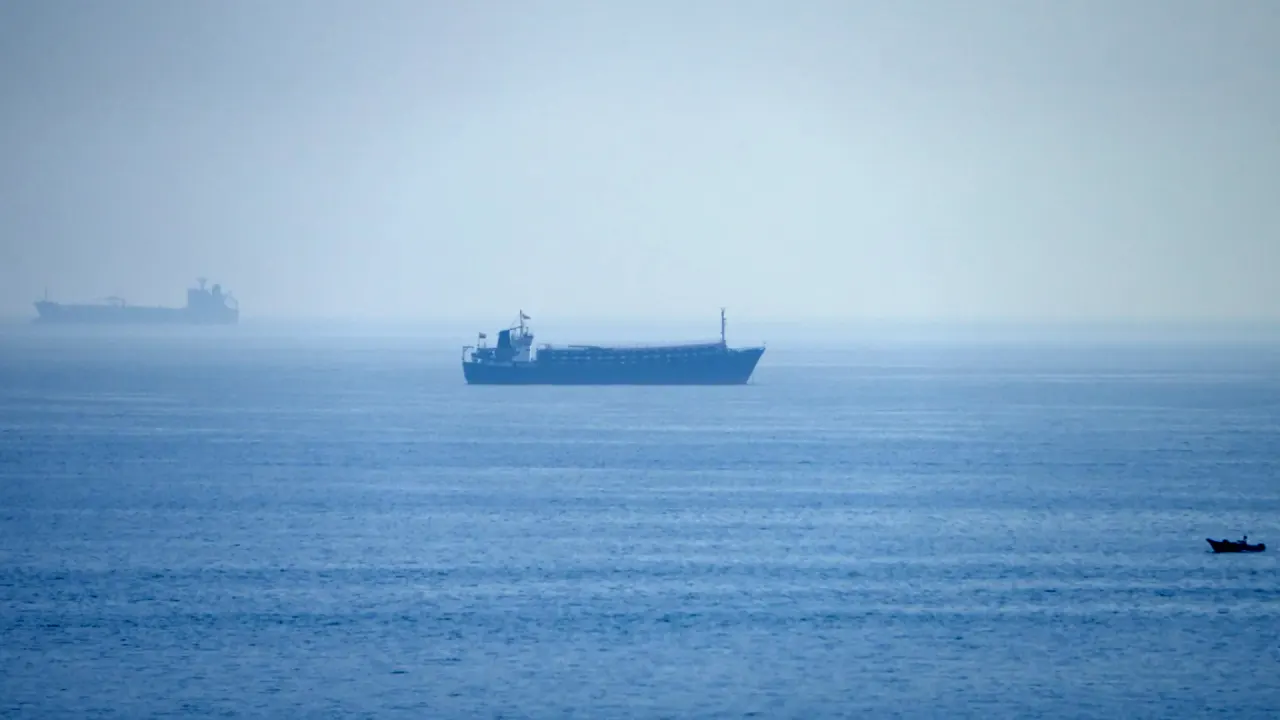
On August 9, President Trump characterized his administration's approach to Iran as "only semi-negotiating," rejecting Tehran's demands for war reparations and other concessions. This dismissal effectively halts discussions aimed at reopening the Strait of Hormuz, a vital chokepoint for global oil supply.
In response to Trump's comments, Brent crude oil prices rose over 1%, surpassing $84 per barrel. Iran's demands for reopening the strait include war compensation, an end to the U.S. naval blockade, sanctions relief, the release of frozen assets, and formal recognition of its sovereignty over the strait.
Trump's blunt rejection signals that the U.S. has no intention of making significant concessions from its current military position in the region, where over 20 warships are deployed to enforce the blockade. Meanwhile, Iran and Oman are exploring new maritime shipping routes as a potential workaround to restore some commercial traffic, although this does not equate to a full reopening of the strait.
Oman has historically acted as a diplomatic intermediary between the U.S. and Iran, particularly during the negotiations leading to the 2015 nuclear deal. However, the current standoff is marked by an active military blockade and direct demands for compensation, contrasting with previous contained provocations.
The situation escalated in early 2026 following U.S.-Israel strikes against Iranian targets, leading to Iranian retaliation against shipping vessels. A memorandum aimed at ensuring safe passage through the strait collapsed amid renewed hostilities, indicating the complexity of the ongoing negotiations.
Updated 19:31 UTC
Latest Developments
Oil prices have surged by 5% amid waning expectations for a swift reopening of the Strait of Hormuz, a vital channel for global oil shipments.
Iran has set stringent conditions for the resumption of full operations in the strait, including demands for the lifting of U.S. sanctions and compensation for war damages.
The current situation has prompted concerns about prolonged disruption in oil flows, which are crucial to the world’s energy supply.
Market analysts are observing that the oil price surge aligns with concerns over geopolitical risks affecting crude oil market dynamics.
Expectations for immediate normalization of oil flow have diminished, indicating potential supply challenges ahead.
Future developments in U.S. policy regarding sanctions on Iran could significantly impact the likelihood of reopening the Strait of Hormuz.
Key organizations such as OPEC and the International Energy Agency may provide insights into potential production adjustments in response to these developments.
Markets are likely to adjust forecasts as new information emerges, influencing the odds of crude oil prices reaching new all-time highs by the end of the year.
Updated 19:32 UTC
New Developments in the Iran Conflict
Former President Donald Trump has stated that the United States is prepared to escalate military actions against Iran, highlighting the ongoing tensions in the 2026 Iran war.
Recent military actions include significant U.S. and Israeli strikes on Iran earlier this year, which have complicated diplomatic negotiations.
Market analysts have noted a decrease in the likelihood of a U.S.-Iran deal for 2026, with the probability of including reconstruction funding dropping from 28% to 22.5%.
Key negotiators from countries such as Qatar and Pakistan are expected to play vital roles in future discussions regarding the conflict.
Updated 22:00 UTC
Latest Developments on the Strait of Hormuz
President Donald Trump has declared that the U.S. Navy has achieved "100%" control over the Strait of Hormuz, ensuring it is open for approved commercial traffic. This announcement follows the Navy's efforts to clear the waterway of mines amid rising tensions with Iran.
The current market probability for a U.S.-Iran agreement by August 15 is at a low 8%, down from 36% a week ago, while the probability for an agreement by August 31 has increased to 26%.
Market participants are observing the situation closely, with potential implications for maritime security operations and commercial shipping access in the region.
Updated 06:00 UTC
New Developments
Former U.S. President Donald Trump reportedly boarded a secret flight from Turkey due to an assassination threat from Iran, highlighting heightened tensions between the two nations.
The use of a secret military flight and a decoy aircraft indicates a significant security response to the perceived threat.
This incident is part of the ongoing 2026 Iran–U.S. conflict, which has involved multiple military exchanges and unresolved diplomatic efforts.
Market pricing suggests that participants believe the situation could lead to an airspace closure in Iran, with the August 31 sub-market for full airspace closure priced at 10.5% YES.
Observers are closely monitoring official communications from the Civil Aviation Organization of Iran regarding airspace status, as well as statements from Iranian and U.S. officials that could affect market expectations.
Updated 06:01 UTC
New Developments on Strait of Hormuz Negotiations
- President Trump has intensified demands for Iran to pay reparations for past attacks, complicating ongoing negotiations over the Strait of Hormuz.
- The Strait of Hormuz remains closed to commercial shipping, with unresolved talks between the U.S., Iran, and Oman.
- Market pricing indicates a 44.5% likelihood that Iran may impose fees on transit through the Strait by October 31, 2026, up from 42% in the previous day.
- Short-term expectations for Iran to charge fees by the end of August remain low at 8%, suggesting limited immediate changes in the situation.
- Observers are advised to monitor statements from Iran’s Foreign Ministry and the U.S. government for potential shifts in negotiating positions.
Updated 06:32 UTC
Latest Developments
The Trump administration has intensified economic sanctions against Iran and reinstated a naval blockade in the Strait of Hormuz, a crucial maritime route. This blockade, enforced by U.S. Central Command (CENTCOM), specifically targets vessels linked to Iran, aiming to disrupt its maritime trade and strain its economy.
Recent market analysis indicates a 31.5% probability that the U.S. will not lift the Iranian blockade by August 31, 2026, while expectations for an announcement to end the blockade by August 15, 2026, have dropped to 9.5%.
Market participants are closely watching for any official statements from the White House or CENTCOM that may signal changes in the blockade's status, as well as developments in U.S.-Iran negotiations or maritime incidents in the Strait of Hormuz.
FAQ
What were Iran's demands for reopening the Strait of Hormuz?
Iran's demands included war compensation, an end to the U.S. naval blockade, sanctions relief, the release of frozen assets, and formal recognition of its sovereignty over the strait.
How did President Trump respond to Iran's demands?
President Trump rejected Iran's demands for war reparations and other concessions, characterizing his administration's approach to Iran as 'only semi-negotiating.'
What impact did Trump's rejection have on oil prices?
Following Trump's comments, Brent crude oil prices rose over 1%, surpassing $84 per barrel.
What is the significance of the Strait of Hormuz?
The Strait of Hormuz is a vital chokepoint for global oil supply, making its accessibility crucial for international trade and energy security.
What alternative solutions are being explored by Iran and Oman?
Iran and Oman are exploring new maritime shipping routes as a potential workaround to restore some commercial traffic, although this does not equate to a full reopening of the Strait of Hormuz.
Comments
Comments are moderated before publish.
No comments yet — be the first.