US Forces Redirect 55 Vessels in Ongoing Naval Blockade Against Iran
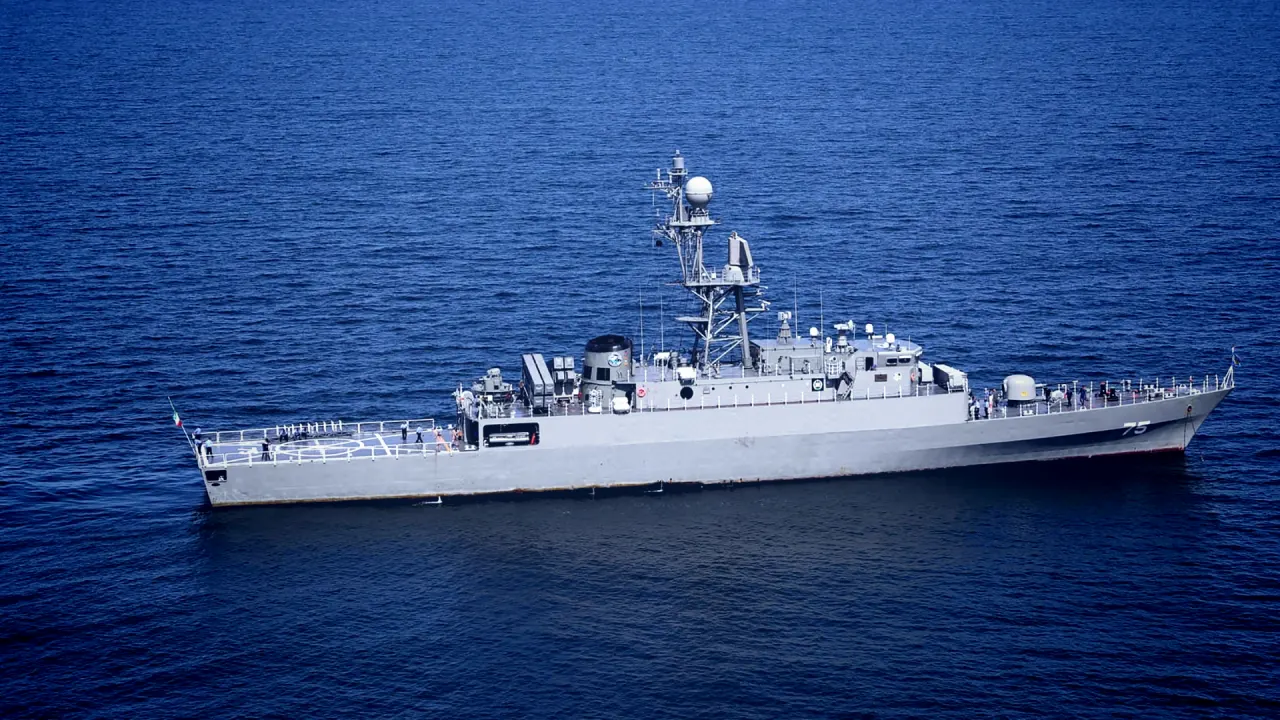
The US military's naval blockade of Iran has escalated significantly, with US Central Command (CENTCOM) reporting the redirection of 55 commercial vessels and the boarding of two others as of August 9, 2026. This operation aims to restrict maritime traffic to and from Iranian ports amid ongoing tensions.
Currently, over 20 US warships, including the USS Ross, are deployed in the Arabian Gulf and Gulf of Oman to enforce this blockade. This recent enforcement phase follows a previous blockade that lasted from April 13 to June 18, 2026, during which US forces redirected over 140 vessels and disabled nine.
The current operations resumed on July 14, 2026, after a brief pause, and have seen a sharp increase in activity. For instance, the number of redirected vessels jumped from 12 on July 25 to 55 by August 9. Specific vessels have faced severe consequences for non-compliance, with two vessels disabled during this phase, compared to nine in the previous phase.
Redirecting a vessel involves US warships compelling commercial ships to change course away from Iranian ports, while disabling a vessel renders it unable to proceed. The boarding of vessels allows US personnel to inspect cargo and documentation, with the authority to detain crew or seize the ship if necessary.
The ongoing blockade reflects a strategic effort to pressure Iran's oil and maritime access, rather than a move towards diplomatic resolution. Observers are closely monitoring developments, especially any statements from US officials that could indicate a shift in policy.
Updated 05:32 UTC
New Developments in US-Iran Relations
Recent reports indicate that the United States has declared the Strait of Hormuz "irrelevant," suggesting a significant shift in its strategic focus regarding this crucial maritime route. This statement comes amidst ongoing tensions between the U.S. and Iran, where the Strait has historically played a pivotal role in military and diplomatic engagements.
Market analysis shows a declining probability of a U.S.-Iran agreement by August 15, dropping from 20% to 9.5%. Additionally, expectations for an agreement by August 31 have also decreased, with probabilities falling from 32% to 25.5%. This trend reflects growing skepticism about the likelihood of a resolution in the near future.
Observers are advised to monitor communications from U.S. and Iranian officials, as well as shipping patterns through the Strait, to gauge potential shifts in the current diplomatic impasse.
Updated 07:00 UTC
New Developments in U.S.-Iran Relations
Former President Donald Trump has recently emphasized a strategy of "low-keying" negotiations with Iran, which has sparked renewed debate regarding U.S. policy towards the country. This approach aims to maintain diplomatic pressure without escalating military actions.
Market analysts are interpreting Trump's comments as indicative of a diminished likelihood of a comprehensive deal that includes U.S. funding for Iranian reconstruction. The probability of such funding being part of a U.S.-Iran deal has dropped to approximately 22%, down from 29% just a day earlier.
Observers are advised to keep an eye on any new developments in U.S.-Iran negotiations, particularly statements from key figures like U.S. Chief Negotiator Mike Vance and Iranian Foreign Minister Javad Zarif. Significant changes in diplomatic engagements or military events could notably influence market perceptions.
Updated 08:32 UTC
Recent Developments in the Strait of Hormuz
- The Iranian Foreign Ministry has announced it is not currently pursuing tolls on transit through the Strait of Hormuz.
- This decision comes amid rising tensions between Iran, the United States, and Israel regarding the strategic waterway.
- Previously, Iran had proposed a toll system managed by the Islamic Revolutionary Guard Corps (IRGC), but has now shifted away from that position.
- Market expectations for Iran to impose tolls by August 31 have decreased, with pricing dropping to 7% YES.
- Ongoing negotiations with Oman regarding maritime arrangements may influence future toll policies.
- Observers should watch for any official announcements from Iran or Oman that could affect joint maritime arrangements.
- Changes in US-Iran relations may also impact the likelihood of tolls being imposed.
FAQ
What is the purpose of the US naval blockade against Iran?
The US naval blockade aims to restrict maritime traffic to and from Iranian ports in response to ongoing tensions, particularly to pressure Iran's oil and maritime access.
How many vessels have been redirected since the blockade resumed on July 14, 2026?
As of August 9, 2026, the US military has redirected 55 commercial vessels since the blockade resumed.
What actions can US forces take against non-compliant vessels?
US forces can redirect vessels, disable them to render them unable to proceed, board them for inspections, and detain crew or seize the ship if necessary.
What was the outcome of the previous blockade phase from April 13 to June 18, 2026?
During the previous blockade phase, US forces redirected over 140 vessels and disabled nine.
How many US warships are currently deployed to enforce the blockade?
Currently, over 20 US warships, including the USS Ross, are deployed in the Arabian Gulf and Gulf of Oman to enforce the blockade.
Comments
Comments are moderated before publish.
No comments yet — be the first.