US Gas Prices Rise $1.25 Amid Iran Conflict Tensions
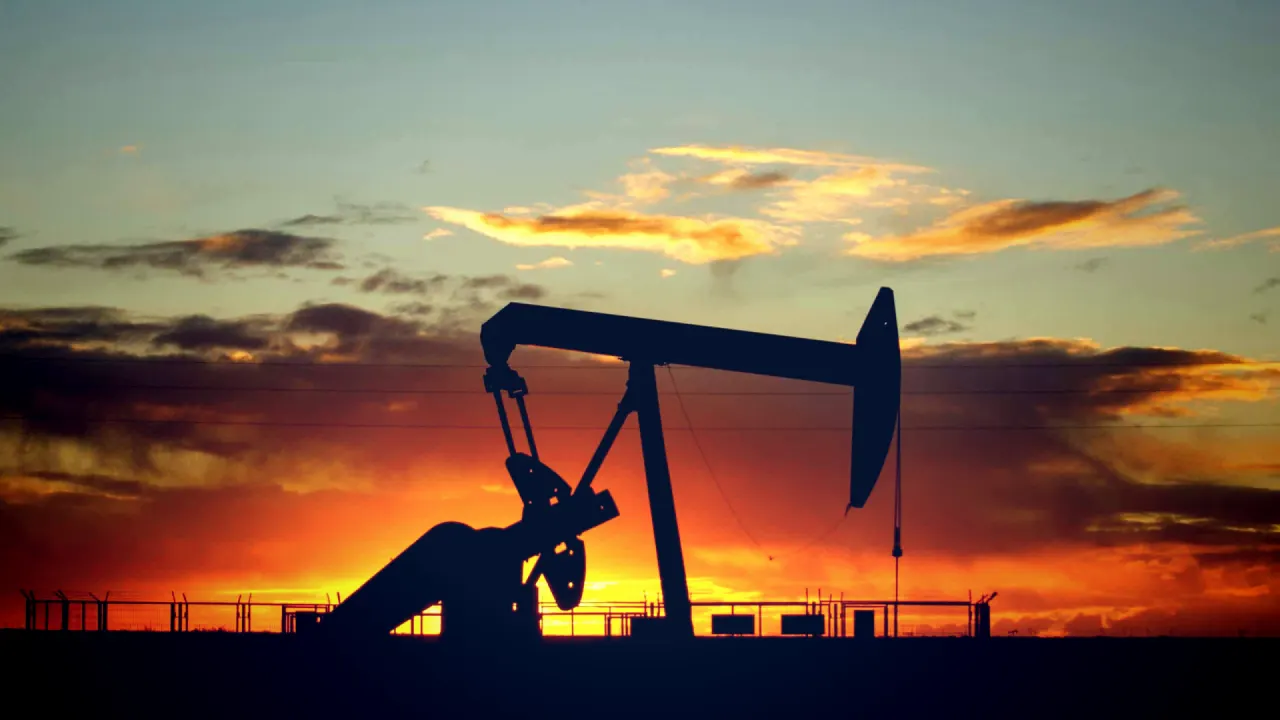
U.S. gas prices have surged by approximately $1.25 per gallon due to ongoing geopolitical tensions linked to the Iran conflict. This increase translates to an additional $560 annually for the average American driver.
The American Automobile Association (AAA) has recorded the national average price of regular gasoline at $4.081 per gallon, marking a significant rise from $3.2013 a year ago. The current month is on track to set a new record for August gasoline prices, indicating a broader economic impact on consumers.
Key Takeaways
- The rise in U.S. gas prices appears consistent with increased geopolitical tensions, suggesting further pressure on global oil markets.
- The current average price of gasoline indicates a significant year-over-year increase, reflecting broader economic strains.
- Market pricing for crude oil predictions remains low for September, with a more pronounced increase anticipated by December.
What to Watch
- Key developments in the Middle East could further influence oil prices, impacting the likelihood of reaching new highs.
- OPEC’s production decisions, geopolitical stability, and potential U.S. sanction policies on oil could all play pivotal roles in shaping market expectations.
- Monitoring statements from influential energy figures and organizations, such as OPEC and the International Energy Agency, will be crucial for gauging future market directions.
FAQ
Why have U.S. gas prices risen recently?
U.S. gas prices have surged by approximately $1.25 per gallon due to ongoing geopolitical tensions linked to the Iran conflict.
What is the current national average price of gasoline?
The current national average price of regular gasoline is $4.081 per gallon, a significant increase from $3.2013 a year ago.
How much more will the average American driver pay annually due to rising gas prices?
The increase in gas prices translates to an additional $560 annually for the average American driver.
What factors could further influence gas prices in the future?
Key developments in the Middle East, OPEC’s production decisions, geopolitical stability, and potential U.S. sanction policies on oil could all influence future gas prices.
What should consumers monitor to gauge future gas price trends?
Consumers should monitor statements from influential energy figures and organizations, such as OPEC and the International Energy Agency, to gauge future market directions.
Comments
Comments are moderated before publish.
No comments yet — be the first.