US-Iran Negotiation Window Closes Amidst Rising Geopolitical Tensions
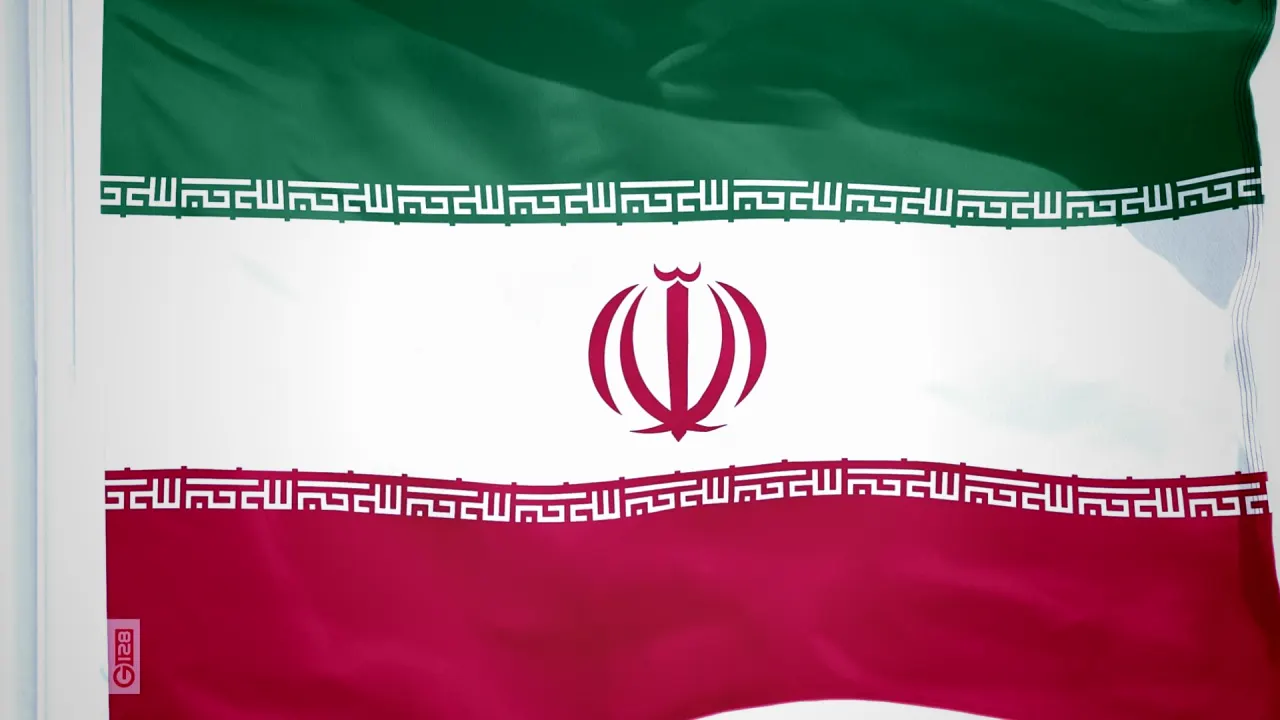
The 60-day negotiation window between the United States and Iran, facilitated by Pakistan in mid-June, has officially expired, with Iranian officials reporting "absolutely no progress" towards a comprehensive peace agreement. The US has rejected Iran's request for an extension, effectively nullifying the interim framework that was meant to address critical issues such as the reopening of the Strait of Hormuz and the release of $24 billion in frozen Iranian assets.
The memorandum of understanding, signed around June 17, aimed to resolve significant concerns, including the US naval blockade of Iran, Iranian actions in the strategically vital Strait of Hormuz, and sanctions relief. Iranian officials assert that the US violated the terms of the MOU early on, while the US blames Iranian intransigence for the breakdown of talks.
With the interim agreement now void, Iranian officials show little interest in returning to negotiations under the same terms, particularly given accusations that the US did not uphold its commitments. The rejection of an extension by the US suggests that neither side sees value in continuing discussions within this framework.
The Strait of Hormuz is crucial for global oil supply, with about a fifth of the world's oil passing through it daily. The MOU was intended to de-escalate tensions in this region, which have previously led to significant uncertainty for energy traders and shipping companies.
In the wake of the ceasefire's expiration, oil prices have surged, and US bond yields have risen, reflecting heightened geopolitical risks. Market participants are now pricing in a higher likelihood of crude oil reaching new all-time highs by the end of the year, as tensions in the Middle East continue to escalate.
Updated 02:30 UTC
New Developments in US-Iran Relations
- Iran is not engaging in direct communication with former U.S. President Donald Trump.
- Russia and China are reportedly influencing Iran's diplomatic strategies to avoid direct talks with the U.S.
- Market expectations for a US-Iran diplomatic meeting in the UAE by September 30, 2026, have decreased, with the probability now at only 0.1%.
- The absence of direct talks is viewed as a significant barrier to potential diplomatic engagements.
- Observers are closely monitoring any official statements or developments that could change the current diplomatic landscape.
Updated 02:30 UTC
New Developments
The U.S. dollar has weakened, currently trading in the 99.5–100 range, as expectations for Federal Reserve rate hikes diminish amid rising geopolitical tensions involving Iran.
Recent U.S. labor and inflation data have cooled prospects for further monetary tightening, leading to concerns about increased inflation and potential energy supply disruptions due to the conflict with Iran.
Market sentiment suggests a growing likelihood of rising gold prices, influenced by the weakening dollar and geopolitical risks.
There are increasing expectations for potential Federal Reserve rate cuts, driven by the reduced prospect of further rate hikes.
The dollar's decline amid these tensions may indicate continued market volatility in related financial sectors.
Key points to watch include any new statements from Federal Reserve Chair Jerome Powell, developments in Iran, and upcoming economic data releases, such as U.S. inflation and labor reports.
Updated 04:01 UTC
New Developments in US-Iran Relations
Iran’s parliament is currently considering a controversial bill that aims to impose new restrictions on interactions with foreign media, universities, and organizations. This legislative move has sparked significant opposition due to concerns about its potential impact on academic, cultural, and civil-society activities.
The bill is seen as part of Iran’s broader geopolitical strategy amid ongoing tensions with Western nations, particularly the United States and Israel. Before becoming law, the bill must pass through the Guardian Council, which could further shape its implications.
Observers suggest that the bill reflects Iran’s internal security priorities and growing isolationism, indicating a shift towards greater internal security measures.
Pricing on the likelihood of a US-Iran deal in 2026 suggests a decrease in YES probabilities, reflecting the potential impact of increased restrictions on foreign contacts.
Key developments to watch include the progress of the bill through the Iranian legislative process, including its review by the Guardian Council, and reactions from key global actors, particularly the United States and Israel.
Updated 05:30 UTC
Latest Developments
- Iran has increased its missile and drone production while restoring underground military facilities.
- The U.S. and Gulf countries are replenishing military stocks during the pause in negotiations.
- Market pricing indicates a significant decrease in the likelihood of a final nuclear deal by the August 18, 2026 deadline.
- Current odds for a deal by the end of September remain below 3%.
- The probability of a deal by October 31, 2026, is priced at 5.5%, while the December 31 deadline holds a slightly higher 15.5% chance.
- Ongoing military preparations by both Iran and the U.S. suggest a growing expectation of renewed conflict rather than diplomatic resolutions.
Updated 08:00 UTC
New Developments
Iran has announced plans to impose tolls on vessels transiting the Strait of Hormuz, a vital route for global oil shipments, amid escalating tensions with the U.S.
This potential fee imposition represents a significant escalation in the ongoing naval standoff and could impact global trade and energy prices.
Market activity indicates a 52.5% likelihood that Iran will implement these charges by December 31, reflecting a shift in prediction market pricing.
Observers are advised to monitor official announcements from Iranian authorities, as well as statements from U.S. officials and responses from Oman, which may influence the likelihood of fee implementation.
Updated 09:32 UTC
New Developments in US-Iran Negotiations
Former President Donald Trump has recently criticized U.S. allies amid escalating tensions with Iran, emphasizing the limitations of relying solely on military force. This criticism highlights potential fractures in international coalition efforts, which could impact the prospects for a diplomatic resolution.
Iran continues to demonstrate resilience against external pressures, complicating the likelihood of a U.S.-Iran deal. Current market data indicates a moderate decrease in the probability of reaching a nuclear agreement by the end of the year, with fluctuating odds regarding key terms such as reconstruction funding and uranium enrichment caps.
Key Takeaways:
- Trump's comments suggest weakening diplomatic relations, affecting market sentiment.
- Iran's resilience indicates challenges in achieving a comprehensive deal.
- Market odds for a U.S.-Iran deal by 2026 show uncertainty, with varied likelihoods for key terms.
What to Watch:
Observers should keep an eye on shifts in diplomatic efforts or military actions involving the U.S., Iran, and their allies, as these could significantly influence the likelihood of a settlement.
Updated 09:32 UTC
New Developments in US-Iran Negotiations
Iran’s top negotiator, Mohammad Bagher Qalibaf, has declared that the Strait of Hormuz will remain closed until the United States meets specific conditions outlined in an interim deal. This firm stance complicates efforts to restore normal operations through this crucial maritime passage, which is vital for global oil transport.
The closure of the Strait of Hormuz has escalated tensions between the two nations, with prediction markets reflecting a decrease in confidence regarding a U.S.-Iran agreement by the end of August. The likelihood of a deal that would allow normal traffic through the strait has plummeted to 8%, down from 24% just a week prior.
Market participants view the closure as a significant barrier to a resolution, and the next 13 days are critical for determining if an agreement can be reached by the deadline.
Updated 09:33 UTC
New Developments in US-Iran Relations
Iranian speaker Mohammad Bagher Ghalibaf has announced that the Strait of Hormuz will remain closed until several conditions are met, including the lifting of the blockade and the release of frozen assets. This statement has intensified the deadlock in the ongoing U.S.-Iran conflict regarding control of the strait.
Recent military activity in the region suggests a high-escalation maritime conflict, with U.S. forces maintaining pressure on Iranian ports. The Strait of Hormuz, a critical maritime chokepoint, has experienced increased military presence and vessel attacks.
Market confidence in a U.S.-Iran agreement to reopen the Strait of Hormuz by the August 31 deadline has significantly decreased, with the likelihood dropping from 24% to 8% in just a week.
As the August 31 deadline approaches, observers are advised to monitor announcements from both U.S. and Iranian officials for any signs of de-escalation or potential agreements.
Updated 10:30 UTC
Latest Developments
- Futures markets are experiencing a downturn, while oil and bond prices are on the rise, indicating diminishing prospects for peace with Iran.
- Escalating tensions in the ongoing U.S.-Israel conflict with Iran are contributing to shifts in market behavior.
- The Strait of Hormuz remains a focal point for potential military action, heightening geopolitical risk perceptions.
- Current market activity suggests a decrease in expectations for a U.S.-Iran peace deal by 2026.
- There is a notable decrease in the likelihood of Iran Reconstruction Funding being included in a U.S.-Iran deal by the end of 2026.
- Observers are closely monitoring military actions around the Strait of Hormuz, which could further influence market perceptions.
- Diplomatic engagements involving key figures like U.S. negotiator Mike Vance and Iranian Foreign Minister Javad Zarif may indicate shifts in the likelihood of reaching a deal.
- Announcements from mediators in Qatar and Pakistan could be pivotal in altering current market sentiment.
Updated 10:31 UTC
Latest Developments
- Qatar and Iran are currently in direct communication regarding the issue of Iranian pilots, with Qatar refuting Iran's request for ICRC involvement.
- The urgency surrounding the potential closure of Iranian airspace has decreased, according to a statement from Qatar's foreign ministry spokesperson.
- Market odds for a full airspace closure by August 31 have dropped from 10% to 6.5%.
- Longer-term odds for an airspace closure by December 31 are currently at 34% YES, indicating ongoing geopolitical uncertainties.
- Future statements from Iranian and Qatari officials may influence market perceptions and the likelihood of airspace closure.
Updated 11:01 UTC
New Developments in US-Iran Negotiations
Qatar’s foreign ministry has confirmed that its forces shot down an Iranian aircraft, citing involvement in "aggression." This incident marks a significant escalation in the already tense geopolitical landscape of the Gulf region, particularly around the strategic Strait of Hormuz.
The downing of the aircraft indicates an increase in direct military engagement among Gulf states, which complicates ongoing diplomatic efforts, including talks between Iran and Oman regarding the management of the Strait of Hormuz.
Market indicators show a decreased likelihood of a finalized Iran-Oman Hormuz Management Agreement by the end of August, with confidence dropping from 57% to 34.5% for a resolution by August 31.
As military engagements continue, observers are closely watching for statements from Iran’s Foreign Minister Abbas Araghchi and Oman’s Foreign Ministry, as any further incidents or diplomatic developments could significantly impact market perceptions and the likelihood of an agreement.
The upcoming days are critical as the August 31 deadline approaches.
Updated 11:33 UTC
New Developments in US-Iran Negotiations
Qatar's Foreign Ministry spokesman Majed al-Ansari has announced that mediators are set to renew efforts to resolve the ongoing conflict between Iran and the United States, with Israel involved on the latter’s side. This diplomatic approach comes amidst high tensions concerning the strategic Strait of Hormuz.
Qatar, along with Pakistan and Oman, has been actively mediating to facilitate indirect talks between the parties involved. Despite reports of a tentative ceasefire in some areas, negotiations have remained stagnant.
Current market pricing indicates a decrease in confidence for a diplomatic meeting by August 31, with YES priced at 5.5%, down from 18% a week ago. However, the September 30 market reflects higher confidence at 28.5% YES, suggesting that participants may expect developments in the coming weeks.
Observers should monitor any official statements from the US or Iran that could signal the scheduling of talks, as well as any significant geopolitical movements in the region.
Updated 11:33 UTC
New Developments in US-Iran Relations
US President Donald Trump has recently labeled the Strait of Hormuz as "new US territory" in a post on Truth Social, which has escalated tensions in the ongoing U.S.-Iran conflict. This statement comes amid heightened military tensions and a fragile truce over control and access to the strategically significant waterway.
Market predictions indicate a decreased likelihood of a diplomatic resolution, with the probability of a US-Iran agreement by August 31 dropping from 24% to 7.5% in recent days. This shift suggests that participants in prediction markets view Trump's statement as detrimental to potential agreements aimed at restoring normal shipping traffic through the strait.
Observers are now closely monitoring responses from Iran's Foreign Ministry and U.S. Central Command for any potential retaliatory measures or diplomatic engagements that could arise from this situation.
FAQ
What was the purpose of the 60-day negotiation window between the US and Iran?
The 60-day negotiation window aimed to facilitate discussions on a comprehensive peace agreement addressing critical issues such as the reopening of the Strait of Hormuz and the release of $24 billion in frozen Iranian assets.
Why did the US reject Iran's request for an extension of the negotiations?
The US rejected Iran's request for an extension, indicating that neither side saw value in continuing discussions within the existing framework, as both parties blamed each other for the lack of progress.
What are the implications of the negotiations failing?
The failure of the negotiations has led to heightened geopolitical tensions, resulting in a surge in oil prices and increased US bond yields, as market participants anticipate further instability in the Middle East.
What was included in the memorandum of understanding (MOU) signed in June?
The MOU included provisions to address significant concerns such as the US naval blockade of Iran, Iranian actions in the Strait of Hormuz, and potential sanctions relief.
Why is the Strait of Hormuz significant in global oil supply?
The Strait of Hormuz is crucial for global oil supply as approximately one-fifth of the world's oil passes through it daily, making stability in the region vital for energy traders and shipping companies.
Comments
Comments are moderated before publish.
No comments yet — be the first.