Iran's Parliament Moves to Formalize Transit Fees for Ships in Strait of Hormuz
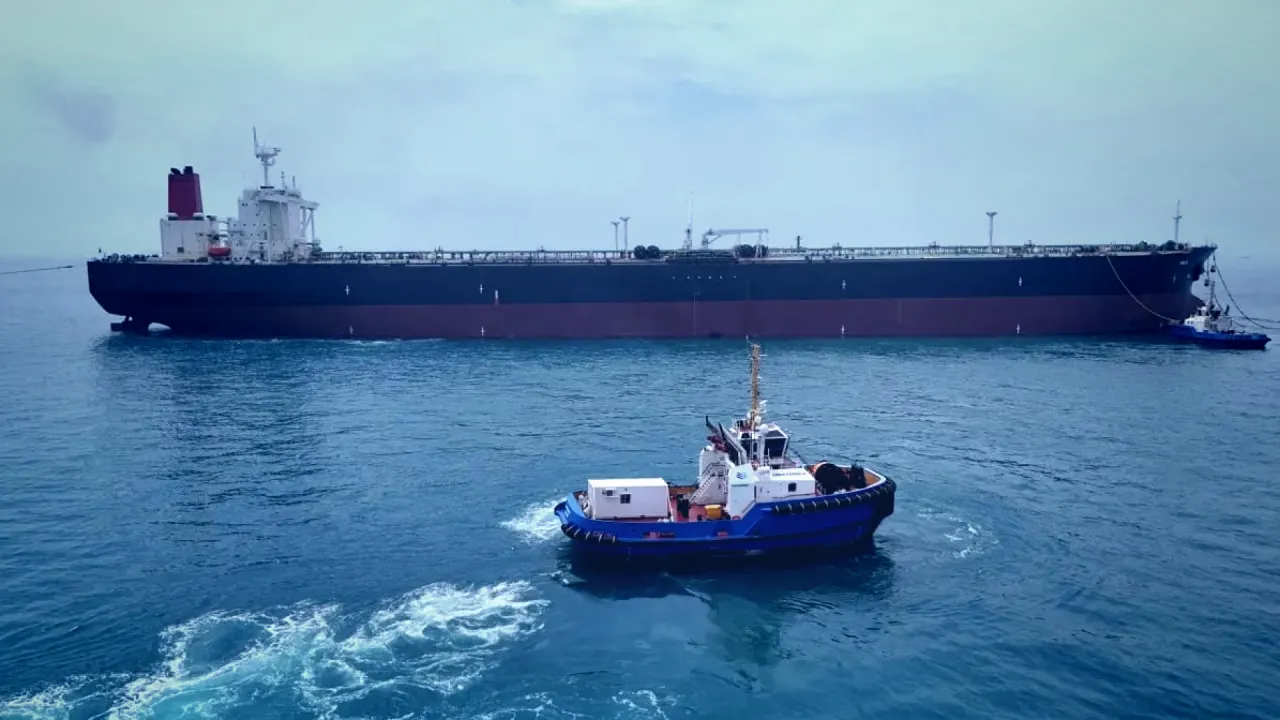
Iran's National Security and Foreign Policy Committee has taken a significant step by approving a bill that would formalize transit fees for commercial ships passing through the strategically important Strait of Hormuz. This legislation, which still requires full parliamentary approval, follows a period during which Iranian authorities have been collecting payments informally since early March, reportedly demanding up to $2 million per vessel.
The Strait of Hormuz is a vital chokepoint, with approximately 20% of the world's seaborne crude oil and natural gas transiting through it. However, shipping traffic has plummeted by about 95% since hostilities erupted on February 28, 2026. This drastic reduction in vessel movements has provided Iran with both the leverage and the urgency to institutionalize revenue collection from the remaining ships that continue to navigate the strait.
Payments collected since early March have been made in Chinese yuan, indicating a shift in Iran's trading relationships amidst tightening Western sanctions and geopolitical isolation. This move to formalize fees is part of a broader strategy to enhance Iran's control over the strait, which includes the establishment of the Persian Gulf Strait Authority, tasked with managing vessel approvals and fee collection.
In addition to the current fee structure, Iranian lawmakers have considered more aggressive proposals, including potential bans on vessels associated with the U.S., Israel, and other adversaries. Such measures could significantly impact shipping costs, with proposed fees ranging from 5-7% of cargo value, which would be a substantial increase compared to existing transit fees through the Suez Canal.
The implications for global oil markets are considerable, as new costs or access restrictions could lead to upward pressure on oil prices. The challenges of rerouting vessels away from the Strait of Hormuz could further exacerbate supply disruptions, particularly for oil producers in the region who rely on this passage for exports.
FAQ
What is the purpose of the new bill approved by Iran's National Security and Foreign Policy Committee?
The bill aims to formalize transit fees for commercial ships passing through the Strait of Hormuz, which is a crucial chokepoint for global oil and gas shipments.
How much are the transit fees that Iran has been collecting from vessels since March?
Iran has reportedly been demanding up to $2 million per vessel as transit fees since early March.
Why has shipping traffic in the Strait of Hormuz decreased significantly?
Shipping traffic has plummeted by about 95% since hostilities erupted on February 28, 2026, which has affected the movement of vessels through the strait.
What currency are the transit fees being collected in?
The payments for transit fees have been made in Chinese yuan, reflecting a shift in Iran's trading relationships amid Western sanctions.
What potential impacts could the new transit fees have on global oil markets?
The introduction of new fees or access restrictions could lead to increased shipping costs, potentially putting upward pressure on oil prices and causing supply disruptions for oil producers reliant on the strait for exports.
Comments
Comments are moderated before publish.
No comments yet — be the first.